

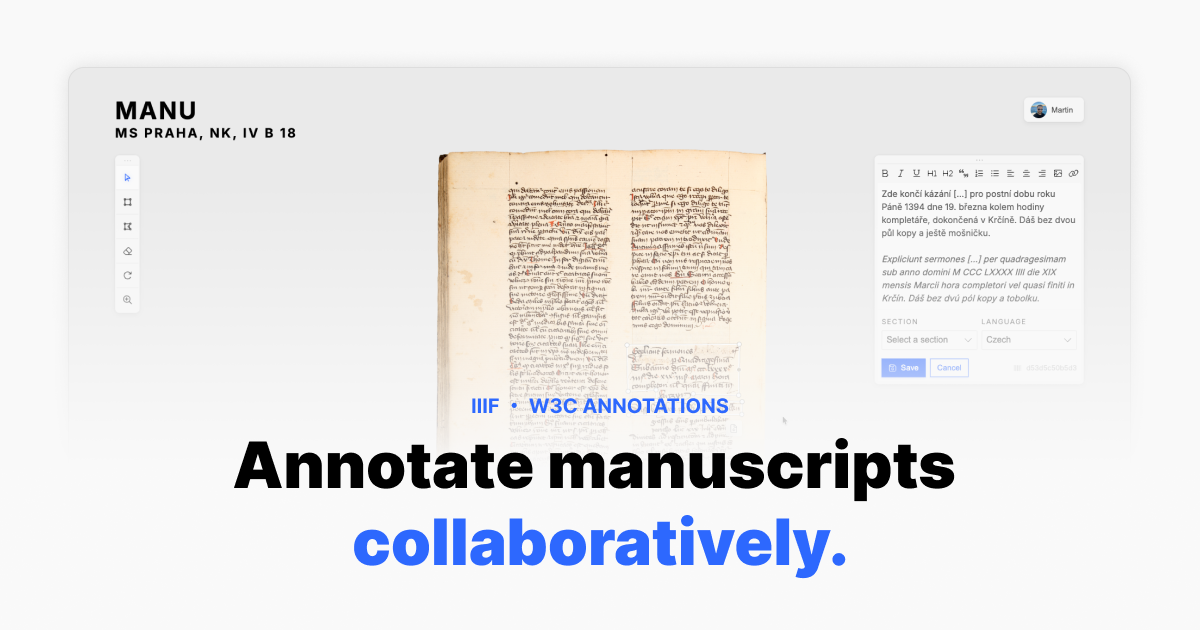
A collaborative platform for annotating, transcribing, and visualising historical manuscripts. Built on IIIF and W3C Web Annotations.
On Close and Distant Reading in Digital Humanities: A Survey and Future Challenges
We present an overview of the last ten years of research on visualizations that support close and distant reading of textual data in the digital humanities. We look at various works published within both the visualization and digital humanities

Maidan, Krim und Russland: Eine Medien-Frame-Analyse deutscher Print-Berichterstattung im Februar und März 2014
Eine Medien-Frame-Analyse deutscher Print-Berichterstattung im Februar und März 2014

WWW-Talk Apr-Jun 1993: group annotation server guinea pigs?
OldMapsOnline
The easy-to-use getaway to historical maps in libraries around the world.

+ the art of footnotes | Are.na
expanded to include margin annotations and other multi-channel approaches towards text, information and credit.


Annostor
annostor empowers you to seamlessly annotate documents, videos, and images with well-known and trusted standards and technologies.
Blog - C82: Works of Nicholas Rougeux
C82 is dedicated to the works of Nicholas Rougeux, including data art, visualization, and design.
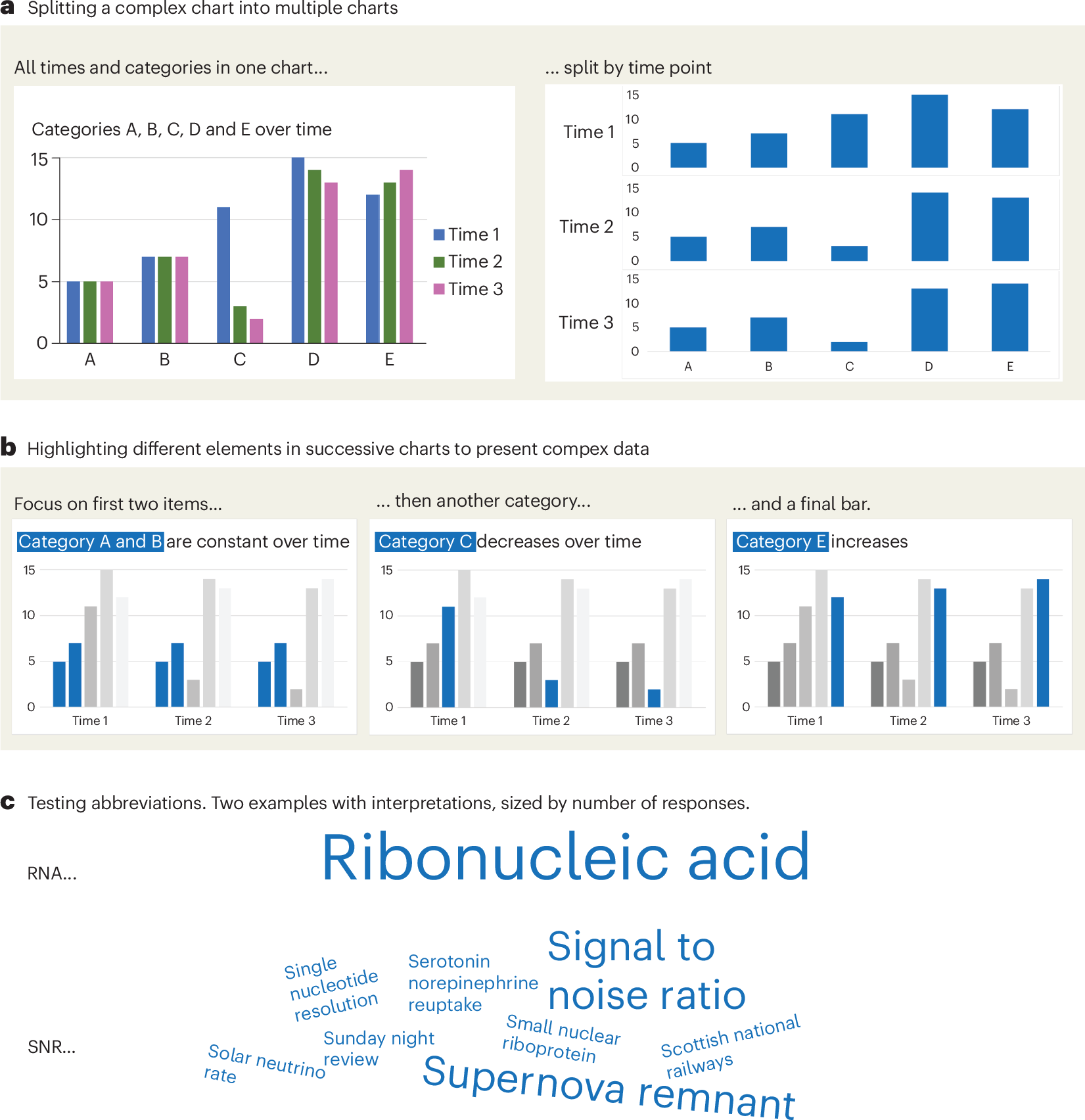
A checklist for designing and improving the visualization of scientific data
Creating clear and engaging scientific figures is crucial to communicate complex data. In this Comment, I condense principles from design, visual perception and data visualization research in a checklist that can help researchers to improve their data visualization, by focusing on clarity, accessibility and design best practices.
annotations: Daron Acemoglu
Traductions françaises de billets et d'articles de Daron Acemoğlu
On power, aesthetics, materiality and change in data visualization
Notes from the Information+ Conference at MIT/Northeastern University, Boston.
The Oceanic provenance of Permacomputing and Computational poetics
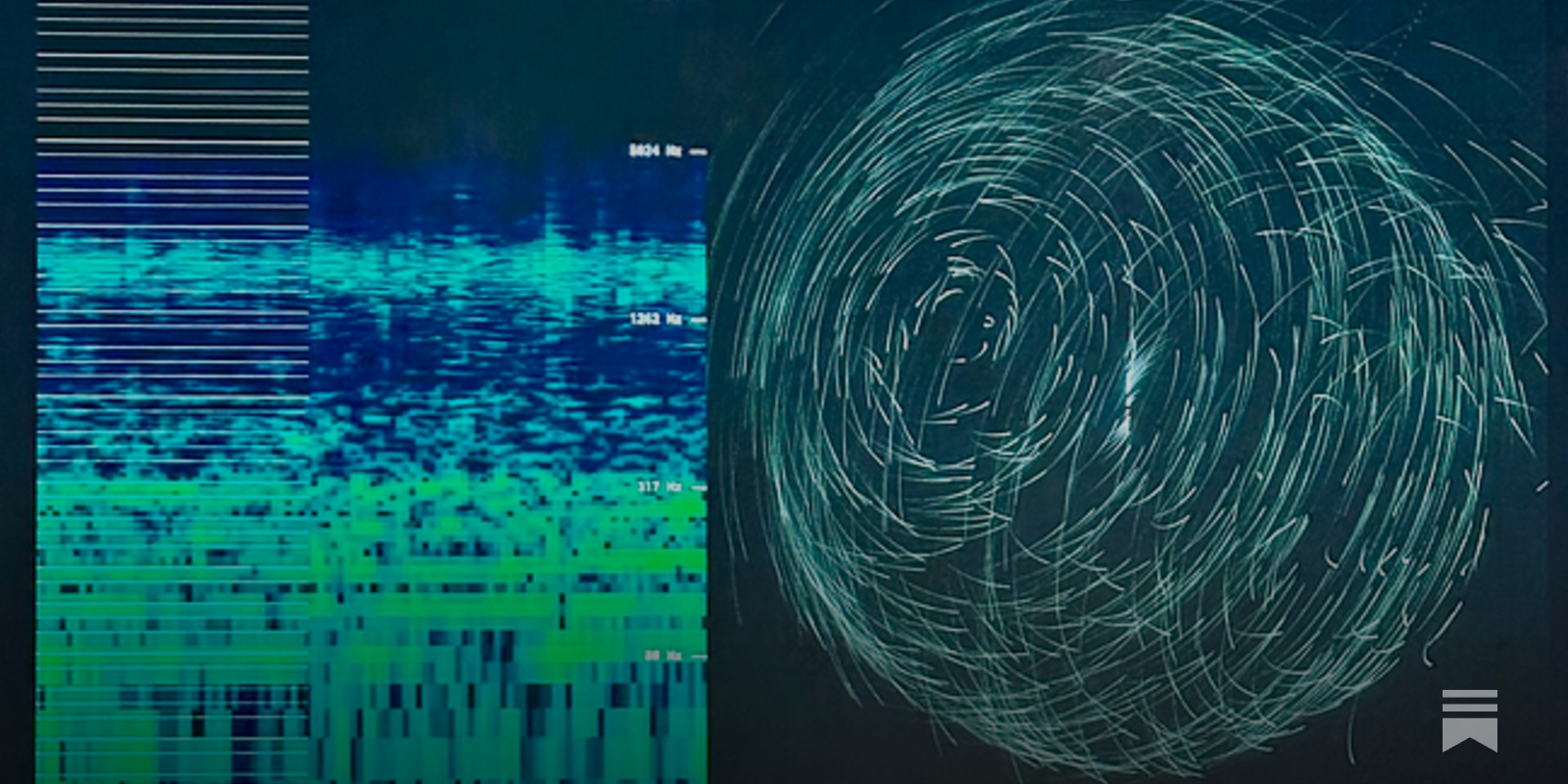
Heritage Frontiers in Computational Art: The Oceanic provenance of Permacomputing and Computational poetics (2024) Nancy Mauro-Flude Keywords heritage algorithms, Oceana, codework, future heritage, technē, digital decolonisation, sandboxing, in-formal cultural economies, philosophy of technology, critical media theory. Citation: Mauro-Flude, N. (2024). Heritage Frontiers in Computational Art: The Oceanic Provenance of Permacomputing and Computational Poetics. Originally presented at ISEA, the updated version is available at Autoluminescence Institute. Initially presented June 26, 2024 at [ISEA2024](https://expertevents.
Introducing Aris: The publishing platform for the Post-PDF Era - Aris
We're building the future of academic publishing: tools that make it easy to create, share, and preserve knowledge in formats designed for the web, not the printing press.
Great survey of the "scholarly interface design" frontier that also highlights the emerging role of the atproto.science and modular research ecosystems - @chive.pub @paperstarsorg.bsky.social @cosmik.network @semble.so @margin.at @discoursegraphs.bsky.social @curvenote.com and many more!

leotrs
1/ Scholarly publishing spent thirty years arguing about access. It has barely started arguing about what readers do with the paper once they have it. That second argument is turning into a field, forming around how science gets read and judged. Here is the map as I see it: aris.pub/blog/scholarly-interface-desi…
