Manus is joining Meta, and we’ll continue delivering our current services while accelerating product improvements to bring more powerful, reliable general AI agent capabilities to more users and businesses.
Meta is running get-rich-quick ads for its AI tools
Manus, integrated into Meta, paid creators to tell you not to get a part-time job.

Manus has kick-started an AI agent boom in China
A stampede of contenders and copycats has followed the launch of the general AI agent, but China’s internet restrictions have so far made it easier to cater to overseas users.

Manus launches paid subscription plans and a mobile app | TechCrunch
Manus, the viral AI agent platform out of China, has launched paid subscription plans, a mobile app, and other upgrades.

Lexicon: How China talks about 'agentic AI' - DigiChina
Three months after the Chinese AI company DeepSeek shocked global markets with a highly capable reasoning model, another China-linked company made a splash with a capable agentic AI system. Did Manus, released in March 2025, portend Chinese leadership in AI systems that go beyond chatbots to take action on the user’s behalf? Victor Mustar, head […]
Context Engineering for AI Agents: Lessons from Building Manus
This post shares the local optima Manus arrived at through our own "SGD". If you're building your own AI agent, we hope these principles help you converge faster.

The Pulse: Meta wanted to reduce teams by 60% because of AI
We find out why Meta destroyed its standout engineering culture: it feared AI-native startups doing more with less. Also: thoughts on Ramp’s AI infra, GitHub’s load doubles in four months, and more

Why is Meta destroying its engineering organization?
Leadership at the social media giant has been on an AI-fueled rampage through its engineering org. We report what’s happened

Meta is trying to win the AI race with money — but not everyone can be bought
“You’re expected to give pretty much your whole self to Meta AI.”

The Postman Drop: Introducing the AI Agent Builder
The AI world moves fast, and we’re now entering the era of AI agents. These sophisticated AI systems integrate reasoning and memory, enabling them to autonomously interact with tools, make decisions, execute tasks, and deliver real-time results. AI agents will play an increasingly central role in how organizations operate, which Abhinav Asthana, our co-founder and CEO, discussed in a recent blog post. But systems this powerful are extremely challenging to build—especially without a unified solut...

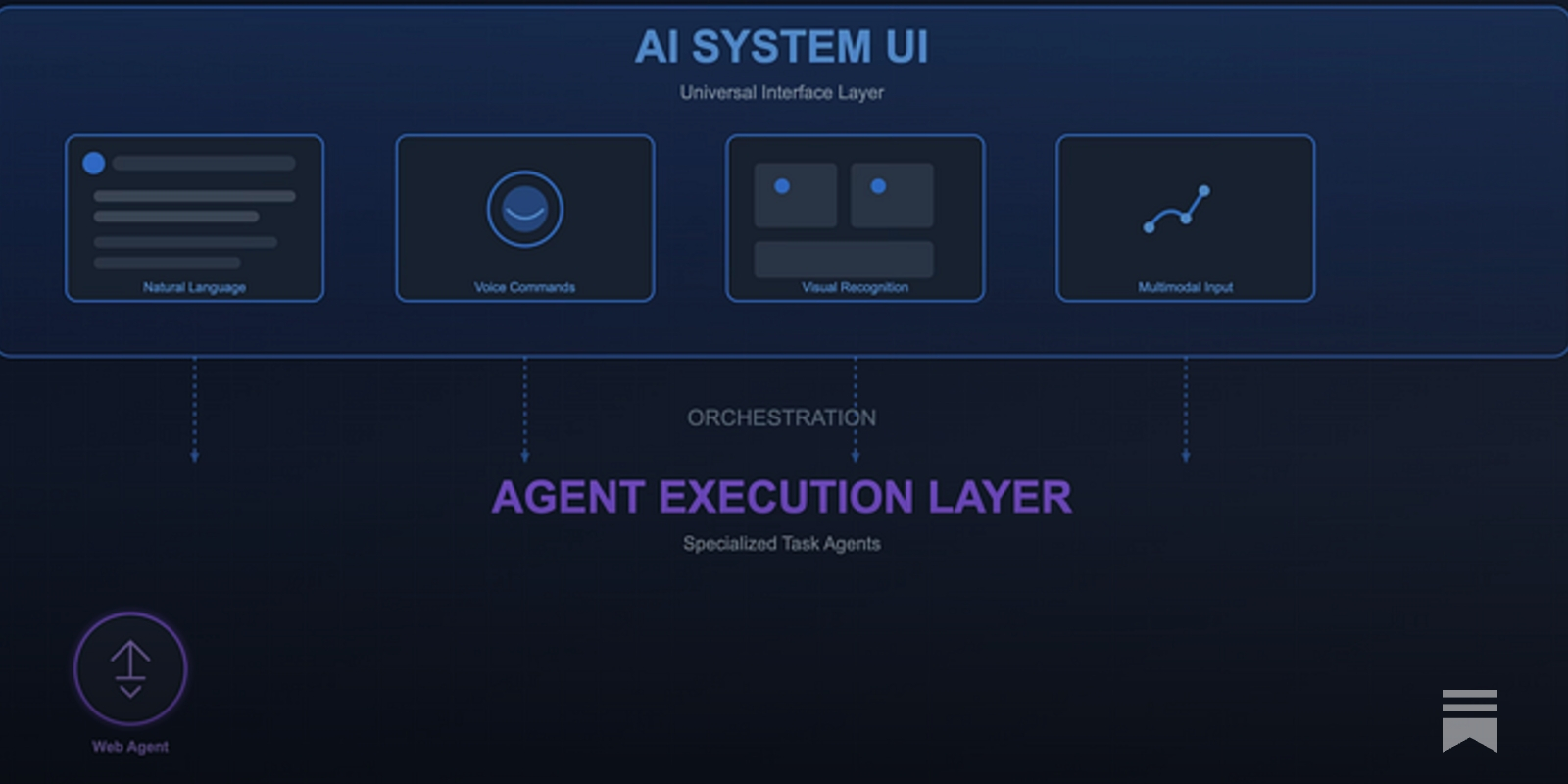
AI Becomes the UI: When business logic moves to the AI tier, dashboards fade, and agents become the interface
In 2025, the Innovation Office at ServiceNow underwent the first phase of its transformation to study and produce original, future-forward research and thought leadership around AI business transformation, the future of work, quantum, the future of industries, smart spaces, and prototype innovative possibilities never imagined on the ServiceNow platform.
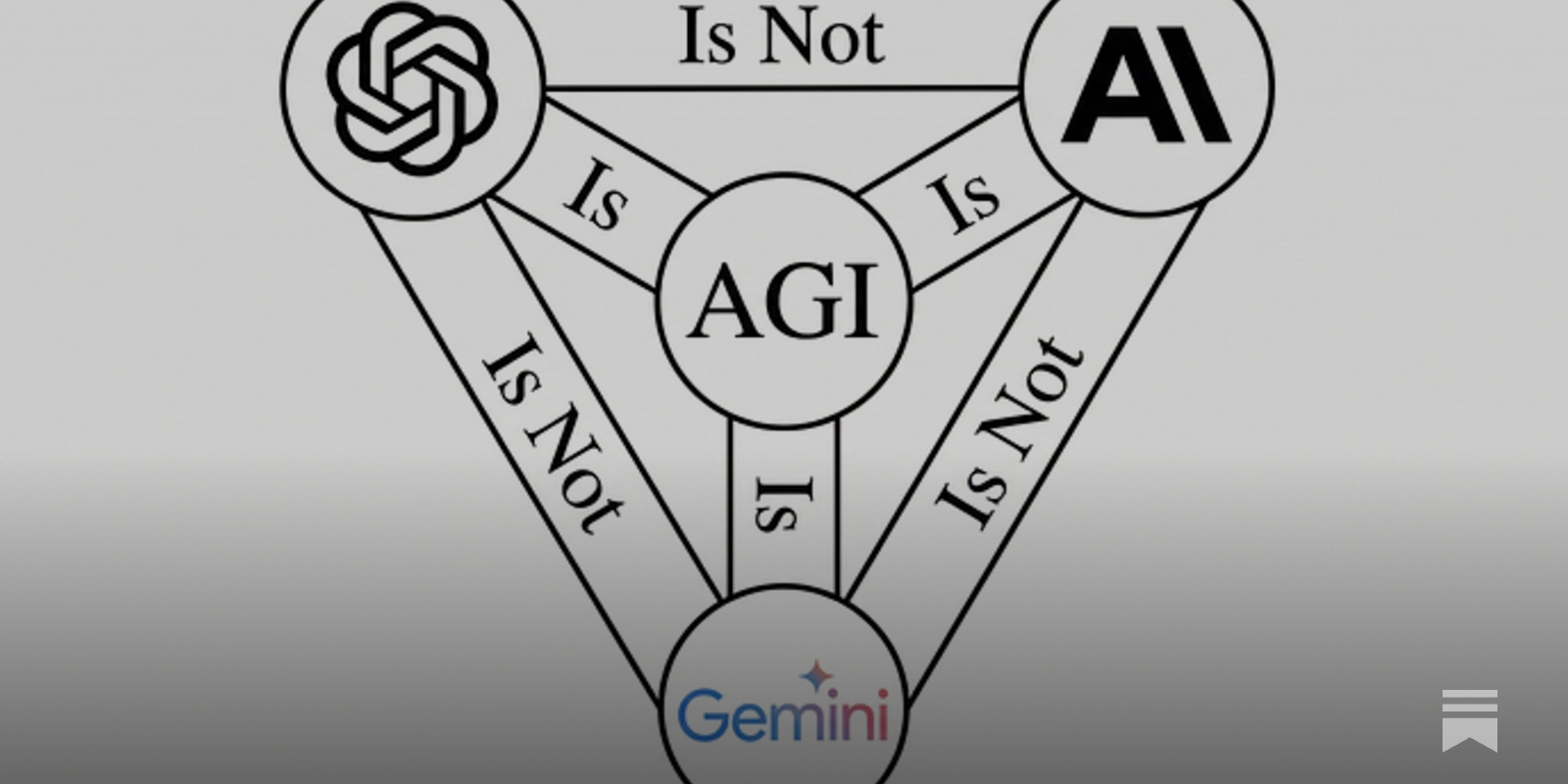
From AGI to ASI
Over the last decade, building human-level artificial general intelligence has moved from far-fetched speculation to being a concrete next-decade target for many of the largest AI organisations. Achieving this goal would have profound and far-reaching impacts on human society, which raises many complex questions for the decade ahead. This report investigates how AI itself might continue to develop in a post-AGI world along the continuum of machine intelligence. The endpoint of this continuum, Universal AI, is theoretically well understood, which provides some formal grounding for the main focus of this report: the transition from human-level AGI to artificial general superintelligence, which can intuitively be understood as a system that is more intelligent and cognitively capable than large organisations of humans. After characterizing ASI, the report discusses four potential pathways from AGI to ASI: scaling AGI, AI paradigm shifts, recursive improvement, and ASI emerging from large-scale multi-agent collectives. The report then discusses possible frictions and bottlenecks along these pathways. Determining whether the impact of these frictions will be negligible or substantial raises a number of concrete open research questions. Due to large uncertainties for predicting ASI progress, it cannot be ruled out that AI progress might continue to accelerate over the next years. This could imply that the image of a single transformative step change, caused by the introduction of human-level AGI into our society, could be inaccurate. More apt might be the prospect of a series of transformative societal changes caused by AI-enabled progress and breakthroughs across many areas of science and technology. Preparing for this prospect requires a massively interdisciplinary endeavour of global scope and interest.

From AGI to ASI
Over the last decade, building human-level artificial general intelligence has moved from far-fetched speculation to being a concrete next-decade target for many of the largest AI organisations. Achieving this goal would have profound and far-reaching impacts on human society, which raises many complex questions for the decade ahead. This report investigates how AI itself might continue to develop in a post-AGI world along the continuum of machine intelligence. The endpoint of this continuum, Universal AI, is theoretically well understood, which provides some formal grounding for the main focus of this report: the transition from human-level AGI to artificial general superintelligence, which, intuitively, can be understood as a system that is more intelligent and cognitively capable than large organisations of humans. After characterizing ASI, the report discusses four potential pathways from AGI to ASI: scaling AGI, AI paradigm shifts, recursive improvement, and ASI emerging from large-scale multi-agent collectives. The report then discusses possible frictions and bottlenecks along these pathways. Determining whether the impact of these frictions will be negligible or substantial raises a number of concrete open research questions. Due to large uncertainties for predicting ASI progress, it cannot be ruled out that AI progress might continue to accelerate over the next years. This could imply that the image of a single transformative step change, caused by the introduction of human-level AGI into our society, could be inaccurate. More apt might be the prospect of a series of transformative societal changes caused by AI-enabled progress and breakthroughs across many areas of science and technology. Preparing for this prospect requires a massively interdisciplinary endeavour of global scope and interest.
From AGI to ASI
Over the last decade, building human-level artificial general intelligence has moved from far-fetched speculation to being a concrete next-decade target for many of the largest AI organisations. Achieving this goal would have profound and far-reaching impacts on human society, which raises many complex questions for the decade ahead. This report investigates how AI itself might continue to develop in a post-AGI world along the continuum of machine intelligence. The endpoint of this continuum, Universal AI, is theoretically well understood, which provides some formal grounding for the main focus of this report: the transition from human-level AGI to artificial general superintelligence, which, intuitively, can be understood as a system that is more intelligent and cognitively capable than large organisations of humans. After characterizing ASI, the report discusses four potential pathways from AGI to ASI: scaling AGI, AI paradigm shifts, recursive improvement, and ASI emerging from large-scale multi-agent collectives. The report then discusses possible frictions and bottlenecks along these pathways. Determining whether the impact of these frictions will be negligible or substantial raises a number of concrete open research questions. Due to large uncertainties for predicting ASI progress, it cannot be ruled out that AI progress might continue to accelerate over the next years. This could imply that the image of a single transformative step change, caused by the introduction of human-level AGI into our society, could be inaccurate. More apt might be the prospect of a series of transformative societal changes caused by AI-enabled progress and breakthroughs across many areas of science and technology. Preparing for this prospect requires a massively interdisciplinary endeavour of global scope and interest.
From AGI to ASI
Over the last decade, building human-level artificial general intelligence has moved from far-fetched speculation to being a concrete next-decade target for many of the largest AI organisations. Achieving this goal would have profound and far-reaching impacts on human society, which raises many complex questions for the decade ahead. This report investigates how AI itself might continue to develop in a post-AGI world along the continuum of machine intelligence. The endpoint of this continuum, Universal AI, is theoretically well understood, which provides some formal grounding for the main focus of this report: the transition from human-level AGI to artificial general superintelligence, which, intuitively, can be understood as a system that is more intelligent and cognitively capable than large organisations of humans. After characterizing ASI, the report discusses four potential pathways from AGI to ASI: scaling AGI, AI paradigm shifts, recursive improvement, and ASI emerging from large-scale multi-agent collectives. The report then discusses possible frictions and bottlenecks along these pathways. Determining whether the impact of these frictions will be negligible or substantial raises a number of concrete open research questions. Due to large uncertainties for predicting ASI progress, it cannot be ruled out that AI progress might continue to accelerate over the next years. This could imply that the image of a single transformative step change, caused by the introduction of human-level AGI into our society, could be inaccurate. More apt might be the prospect of a series of transformative societal changes caused by AI-enabled progress and breakthroughs across many areas of science and technology. Preparing for this prospect requires a massively interdisciplinary endeavour of global scope and interest.

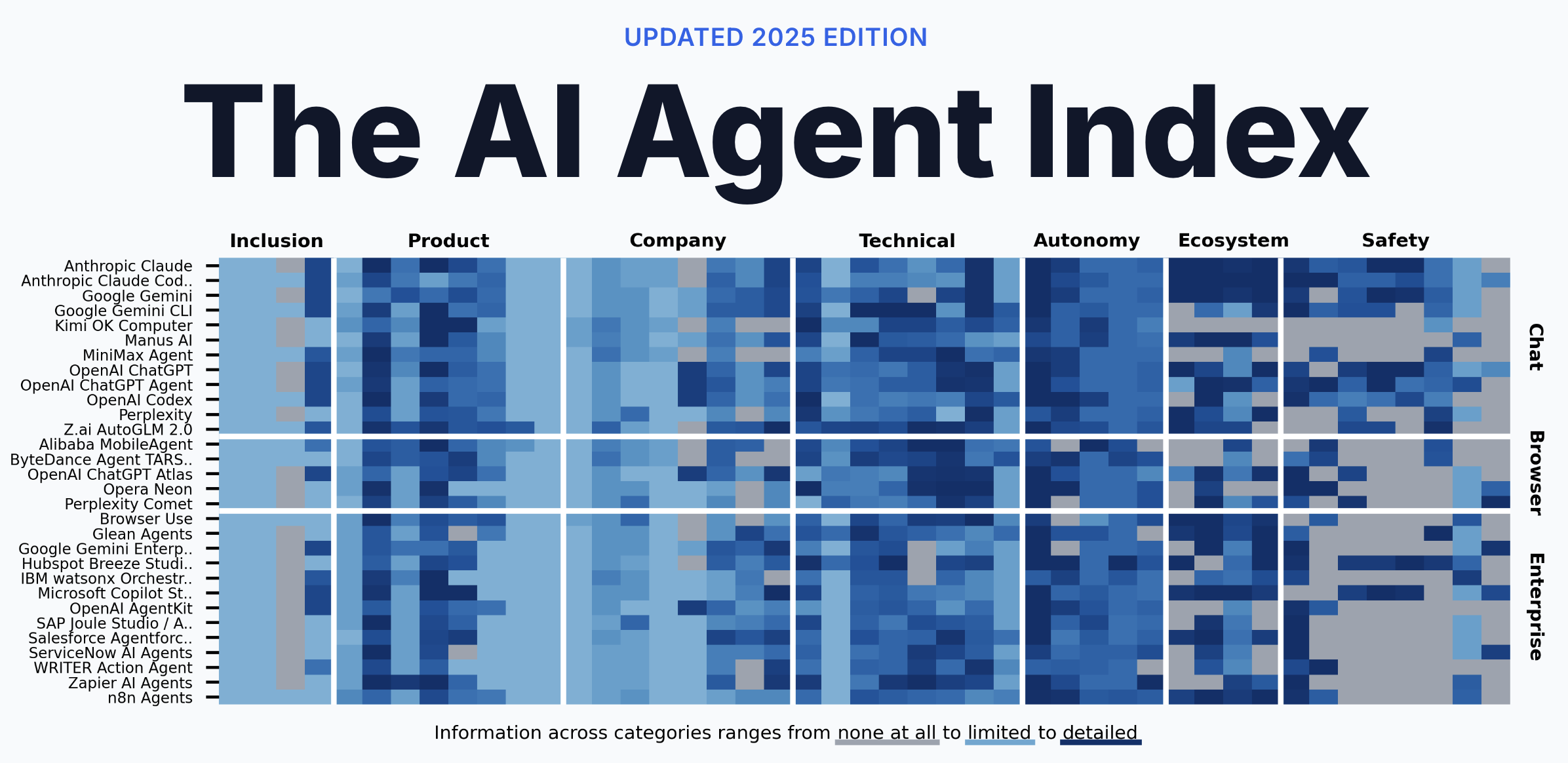
The 2025 AI Agent Index
Agentic AI systems are increasingly capable of performing complex tasks with limited human involvement. The 2025 AI Agent Index documents the origins, design, capabilities, ecosystem, and safety features of 30 prominent AI agents based on publicly available information and correspondence with developers.