


or: they want us isolated because it's easier to sell us shit
We've Lost the Spaces That Foster Friendship
We keep offering individual fixes for loneliness while ignoring the disappearance of the spaces where adults once built real relationships.
How we can solve loneliness in America
An expert in loneliness says the U.S. is in a new "social frontier." Here's how we can cope

This column will change your life: just sit down and think
'No wonder we don't dwell on what's inside: that would underline the loneliness of existence,' says Oliver Burkeman
How Social Isolation Is Killing Us (Published 2016)
Research confirms our deepest intuition: Human connection lies at the heart of human well-being.

Loneliness epidemic
The concept of a "loneliness epidemic" relating to rising rates of social isolation was first described in the 2000s. Robert D. Putnam's 2000 study Bowling Alone was an early instance of describing loneliness as an epidemic, arguing that decreased participation in civic life and community groups was weakening social bonds in the United States.[5]
What is Causing Our Epidemic of Loneliness and How Can We Fix It?
Researchers share what Americans have to say about social disconnection and potential solutions

Why Lonely People Stay Lonely
It’s not because they don’t understand social skills.

Intellectual Loneliness
I have a confession to make: I leave most parties early because I'd rather read a book. The world comes to life when I'm surrounded by ideas.

Researchers Confront an Epidemic of Loneliness (Published 2016)
Social isolation is linked to physical illness and to functional and cognitive decline. Programs to reach out to the elderly are growing, particularly in Britain.


Why Your Social Capital is Probably Worthless
In 1973, sociologist Mark Granovetter published one of the most influential papers in social network theory. "The Strength of Weak Ties" demonstrated something counterintuitive: when it comes to finding jobs and opportunities, your casual acquaintances are often more valuable than your close friends. This makes perfect sense when you think

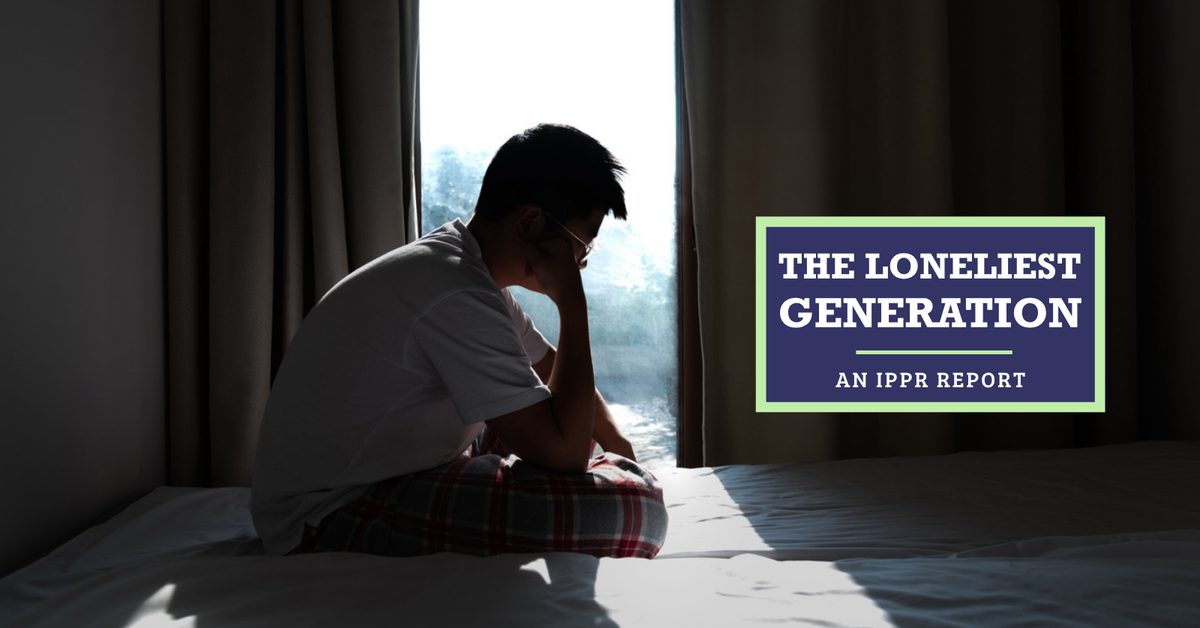
The loneliest generation: What it is like to grow up in England today | IPPR
A connected society is one in which we care about how others are doing and, in turn, others look out for our wellbeing. It is the state and public services
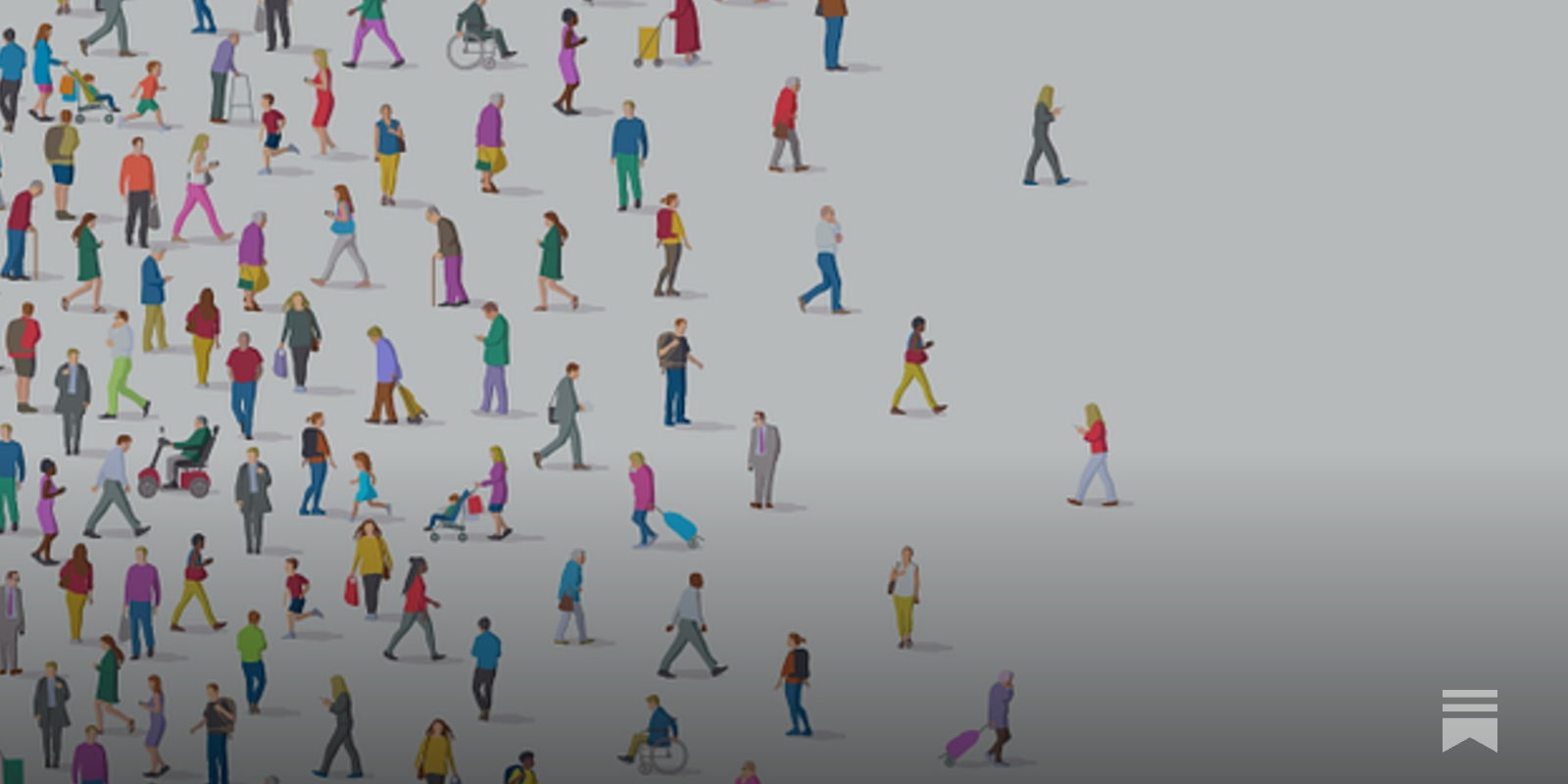
When we lose shared experiences, we lose humanity Isolationism is the number one issue Isolationism leads to ignorance, ignorance leads to fear, fear leads to hate

Sam Clemente
People are biking by and slowing down as they pass, others walking by stop for a moment to listen, the kids are running around while a big family sits down to dinner The people in cars are oblivious to the purest human experience happening as they drive by
Loneliness epidemic

And related subjects
Loneliness Epidemic


Americans’ Social Activity Has Steeply Declined in the Past 30 Years

Young people five times more likely to have no friends than a decade ago | IPPR
The loneliest generation: What it is like to grow up in England today | IPPR

Why You're Bored and Lonely: The Death of Third Places

Third Places Aren’t Gone. We Just Stopped Going.

The Disappearance of Third Places

Nowhere to Go: The Loss of Third Places

Impact of the COVID-19 pandemic on social media
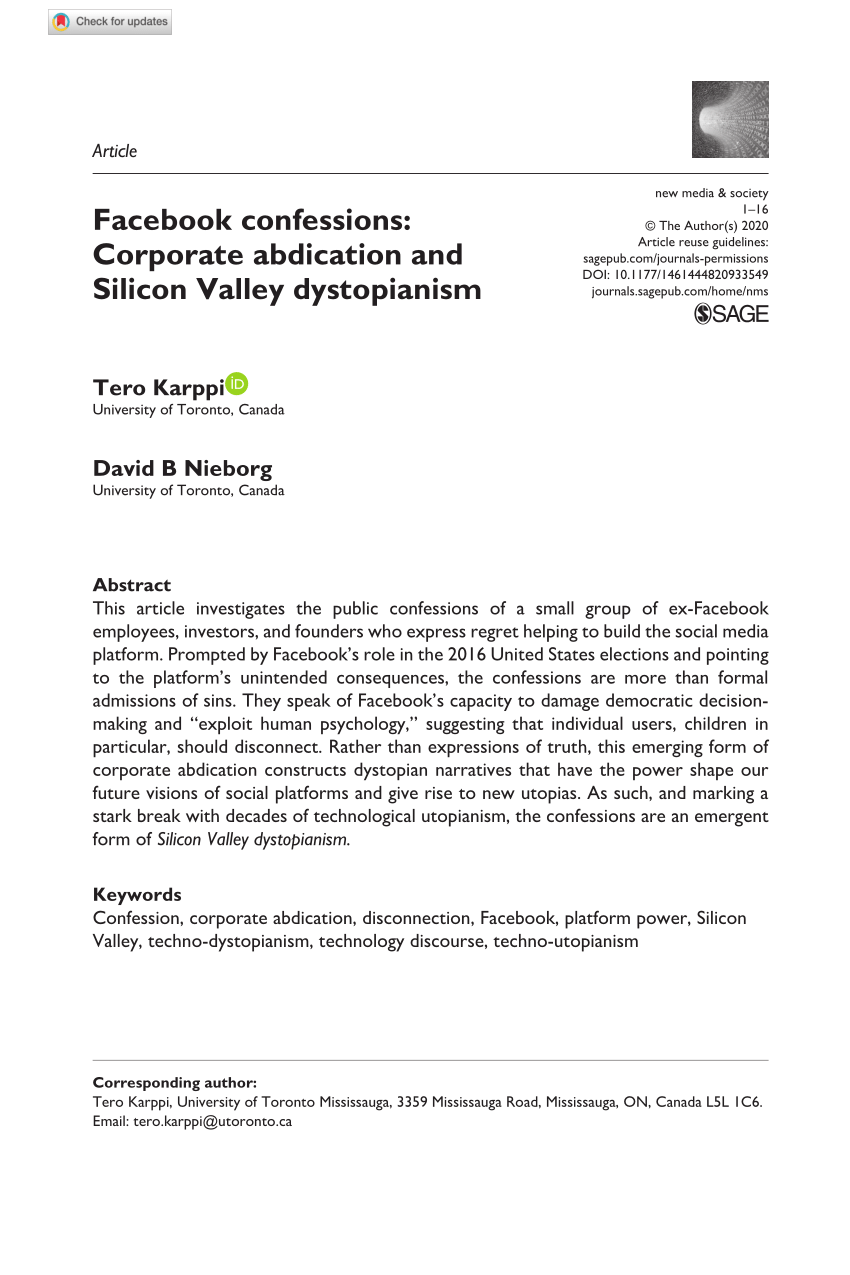
(PDF) Facebook confessions: Corporate abdication and Silicon Valley dystopianism