

The influence of artificial intelligence on individuals with disabilities - ScienceDirect
The influence of artificial intelligence on individuals with disabilities
The rapid advancement of artificial intelligence (AI) is reshaping assistive technologies, offering new possibilities for enhancing the independence, …
#LiberatingWebinars: Disability Justice & Crip Technoscience: Racism & Ableism in AI
What the Studies Say About How AI Affects Your Brain: A (Very Big) Compilation
The entire literature clearly points to a single surprising finding
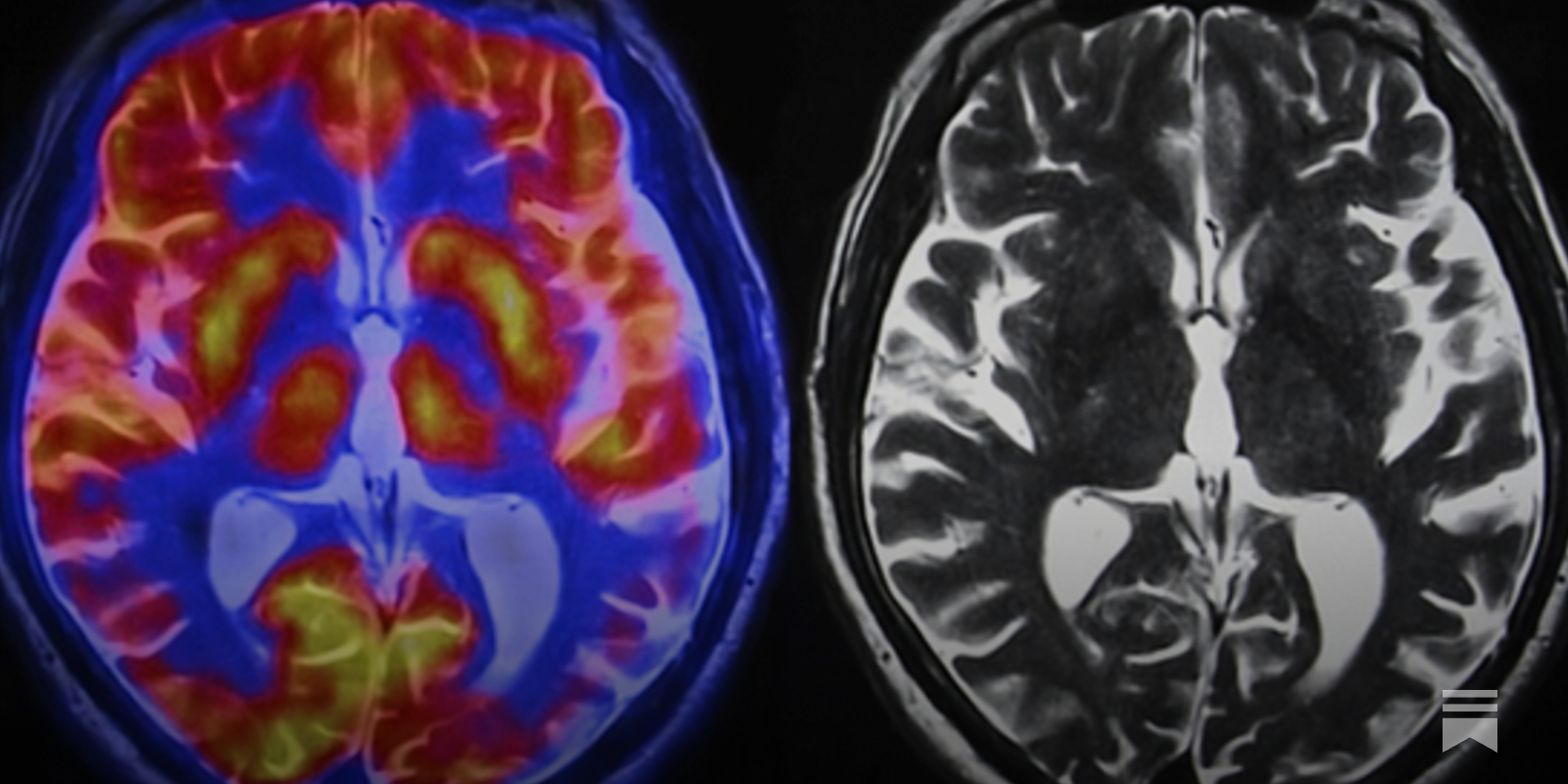
Guides: AI-Based Disability Tools and Resources: Home
This guide provides information about AI tools and research resources related to disabilities.
Nothing About Us, Without Us: Disability Justice and AI
Intersectionality, ways that AI can support the disabled, and how we can win the race to make AI more inclusive.
How does AI impact skill formation?
Two days ago, the Anthropic Fellows program released a paper called How AI Impacts Skill Formation. Like other papers on AI before it, this one is being treated as proof that AI makes you slower and dumber. Does it prove that?

Is AI on the Spectrum? Exploring the Parallels Between Artificial Intelligence and Autism Spectrum Disorder
An in-depth analysis of the similarities between AI behaviors and traits observed in Autism Spectrum Disorder, and how AI is being utilized in autism research and support.
AI Doesn't Fix Accessible Systems. It Depends on Them. — Anna E. Cook
Why AI depends on the foundation accessible design systems build — and how "AI will fix accessibility" is producing the opposite outcome at industry scale.

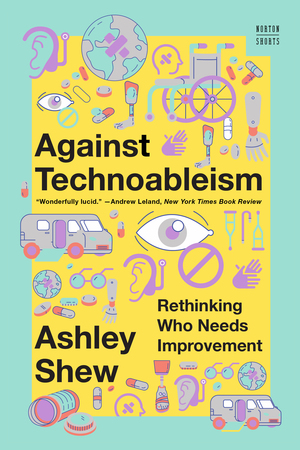
Against Technoableism
One of BookRiot’s Ten Best Disability Books of the YearShortlisted for the Inc. Non-Obvious Book Awards“Wonderfully lucid.” —Andrew Leland, New York Times Book ReviewA manifesto exploding what we think we know about disability, and arguing that disabled people are the real experts when it comes to technology and disability., Against Technoableism, Rethinking Who Needs Improvement, Ashley Shew, 9781324076254
AI for Research | Scite
Scite searches 280M+ scholarly articles to give you citation-backed answers and show you how every claim is supported or disputed.
Study Finds Growing Workplace Use of Smart Glasses and Generative AI Among Workers with Visual Impairments | Naric
A study funded by the National Institute on Disability, Independent Living, and Rehabilitation Research (NIDILRR).
Is Meta Using Disabled People to Promote Its Glasses?
AI glasses are a double-edged sword for disabled people, who face unique risks from surveillance.

How AI Glasses Are Empowering People With Disabilities
Our AI glasses are empowering people with disabilities to perform daily tasks with greater independence.

Had to see for myself. Shared by @smutclyde.bsky.social, published in Nature Scientific Reports (like PLOS One, peer-reviewed [!] for soundness, not importance). The article is about AI-based autism diagnosis. Article processing charge: $2690. AI slop science: priceless
Had to see for myself. Shared by @smutclyde.bsky.social, published in Nature Scientific Reports (like PLOS One, peer-reviewed [!] for soundness, not importance). The article is about AI-based autism diagnosis. Article processing charge: $2690. AI slop science: priceless
And this includes any all scientific uses of AI and indeed any computational system, weather prediction, cancer research, medical imaging, mathematics, please just don't claim it's fine if you don't research automation in those areas. I'll post further resources below...

Emily M. Bender
But speaking of staying in one's lane, can we PLEASE switch the default position from "It's fine to use 'AI' for this thing I'm not an expert in" to "Yeah, I'd be really skeptical of any use cases and need to see strong evidence that it's okay, but I'm not the one who can produce that evidence"?

