

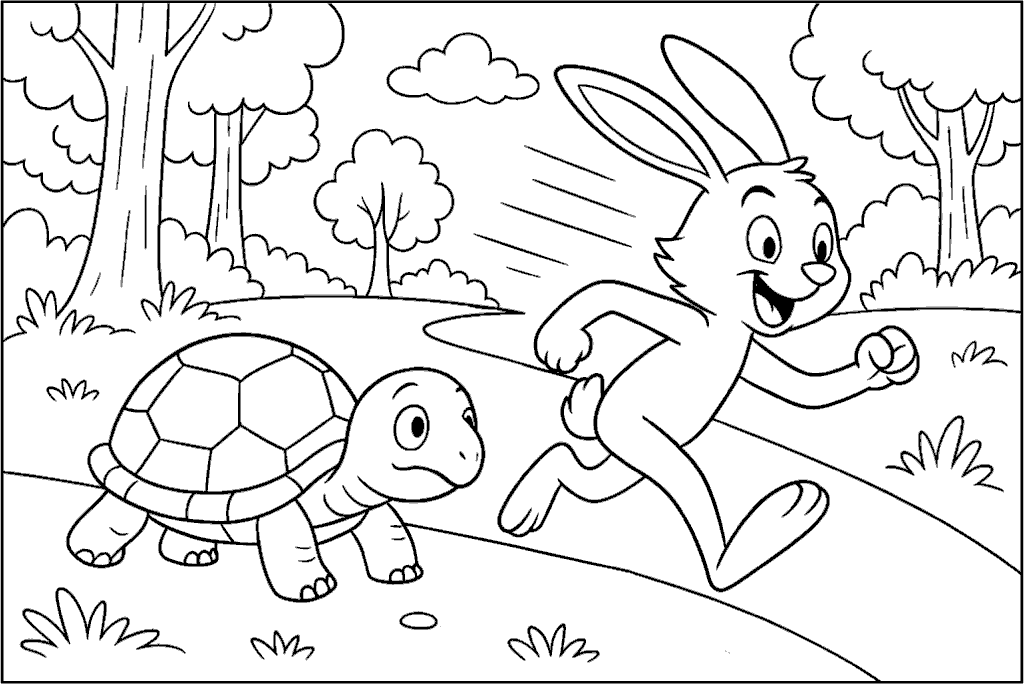
Thoughts on slowing the fuck down
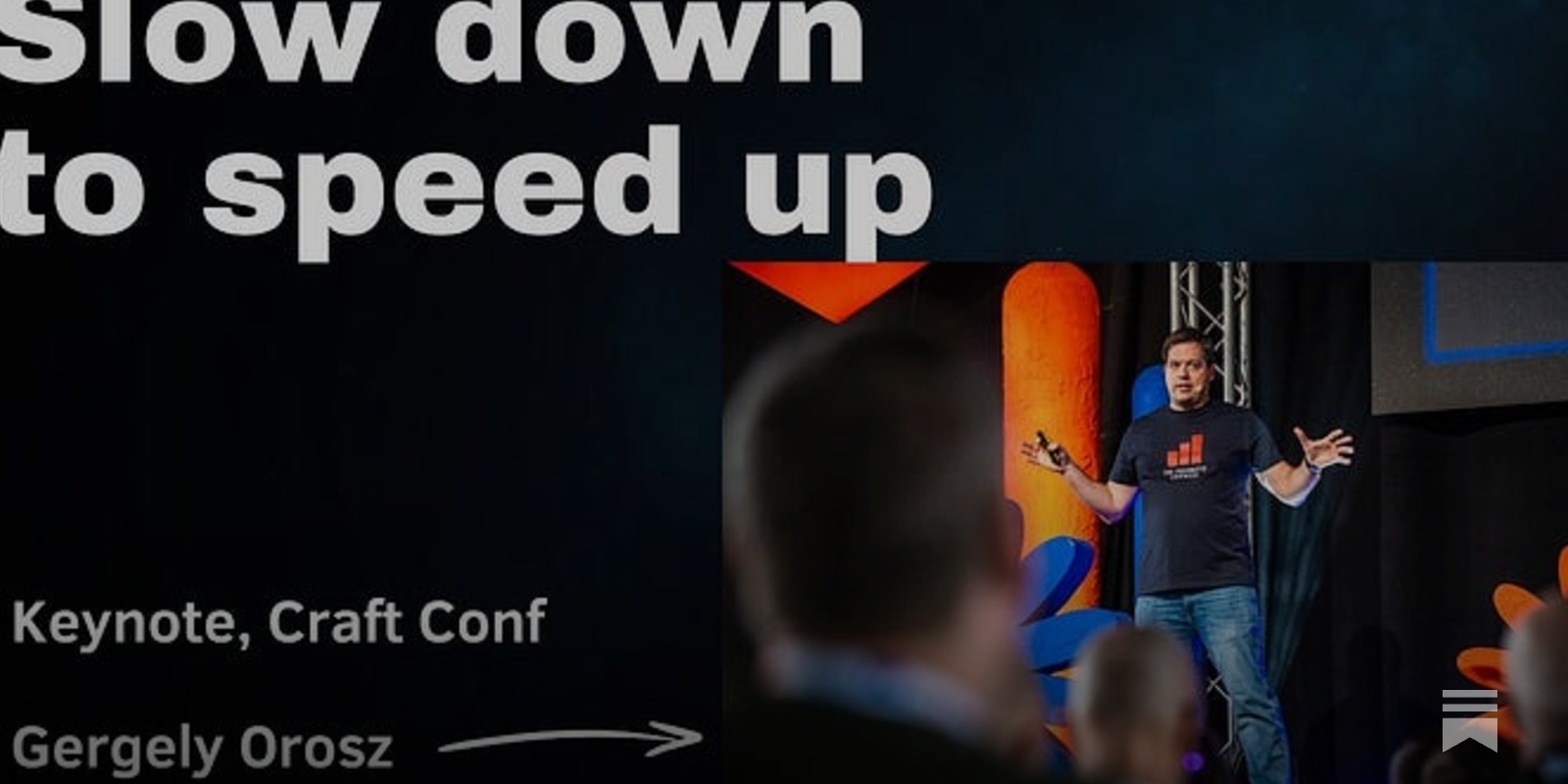
Slow down to speed up: so much has changed in 6 months’ time
An overview of what’s changed in engineering during the last six months, how various tech companies are changing how they work, and why slowing down could be a sensible strategy
Slowing Down — Owais Jamil
Today I try to slow down and take breaks (4/100 of 100daystooffload).

Speed: How It Explains the World - Vaclav Smil
In a world that feels like it’s moving faster than ever, Smil examines how our relentless pursuit of speed – in areas such as production, travel and communication – shapes not only our technological landscape but also our social and environmental realities. And through engaging anecdotes and striking statistics, Smil challenges the assumption that faster is always better.

Almost anything you give sustained attention to will begin to loop on itself and bloom
When people talk about the value of paying attention and slowing down, they often make it sound prudish and monk-like. But we shouldn’t forget how interesting and overpoweringly pleasurable sustained attention can be.
Brett Scott (@brettscott)
Despite all the rhetoric about automation supposedly making our lives easier, the true story being told by Big Tech is that our lives are better when speeded up You are supposed to be in an ever-accelerating race, packing more units of experience into the same unit of time, a phenomenon that requires a contraction of patience and a blurring of experience as everything quickens In the end, this is what ‘convenience’ actually is. It’s a state of being in which you become disassociated and disengaged from the texture of the world around you. You pass through it dreamlike, and suddenly wake up decades years later as an elderly person on your deathbed, thinking “WTF happened”, as then the memory slips away

Peter Wildeford🇺🇸🚀 on Twitter / X
Great to see @tristanharris talking on his podcast about recursive self-improvement. Here's how his guest, Tim Fist, puts it -- "Over the last few months we've had all three of the leading US AI labs say that having the option for a global slowdown or pause in AI development is… https://t.co/s5UURtkEjQ— Peter Wildeford🇺🇸🚀 (@peterwildeford) June 21, 2026
What happens when AI replaces the parts of work people love?
We’re using AI to move faster. I’m not yet convinced we’re using it to work better.
🐌 Slow Software for a Burning World 🔥
In a world of “move fast and break things,” we’ve chosen a different tempo — one rooted in care, deep listening, and collective stewardship. Slow software means building for long-term resilience and meaningful participation, rather than chasing novelty, speed, or scale.
Speedstrapping Playbook: Maximize Growth with Minimal Dilution DRAFT
Speedstrap Playbook Published version here - Part 1 + Part 2 Beta Version .9 - October 2025 “...my gut is we have a problem. The system as it exists today promotes less liquidity, less traditional, high quality company building and way higher burn rates. That’s just not a great combination from m...

How to reclaim your attention from the distraction economy | Psyche Videos
Could you watch this video on full screen, 1x speed, with no distractions? Here are five steps to rebuild your attention span
Yohan on Twitter / X
For six months, Google Maps sent a slice of drivers in ten American cities down deliberately slower routes.About 30 seconds slower on average, and under 2% of trips were touched. The experiment ran on roughly 100 of the most congested road segments in each city, switching on… pic.twitter.com/5cshNdmWU2— Yohan (@yohaniddawela) August 28, 2026

Scott Jenson – Exploring the world beyond mobile
Fast AI requires slow thinking The current Silicon Valley flex is trading notes on your favorite new AI tools over lunch. Each week brings another one to explore. Some of these tools are very impressive; I’ve been able to reply to someone with an alternative UI design in less than a minute, and they were […]
We should be more tired than the model
Adding deliberate friction back into development

Maybe scientific progress isn’t slowing, after all
A new paper takes aim at the claim that science has become less disruptive

Excellent @tgspodcast.bsky.social episode, finding myself pausing every minute to take notes. "What sorts of systems are going to make it through the bottlenecks of the 21st c?“ TLDR collective robustness beats individual optimization Once (if?) funders get this, atproto will see investments

The Optimization Trap: Why Too Much Efficiency Makes Us Fragile with Olivier Hamant
open.spotify.com