


Memory has a habit of expunging linear sequences in favor of moments of strong emotion.
The Neuroscience of Fearful Memories and Avoidance Behaviors
Neuroscientists have identified how the brain remembers fearful experiences. And how fear-based memories can lead to avoidance behaviors.
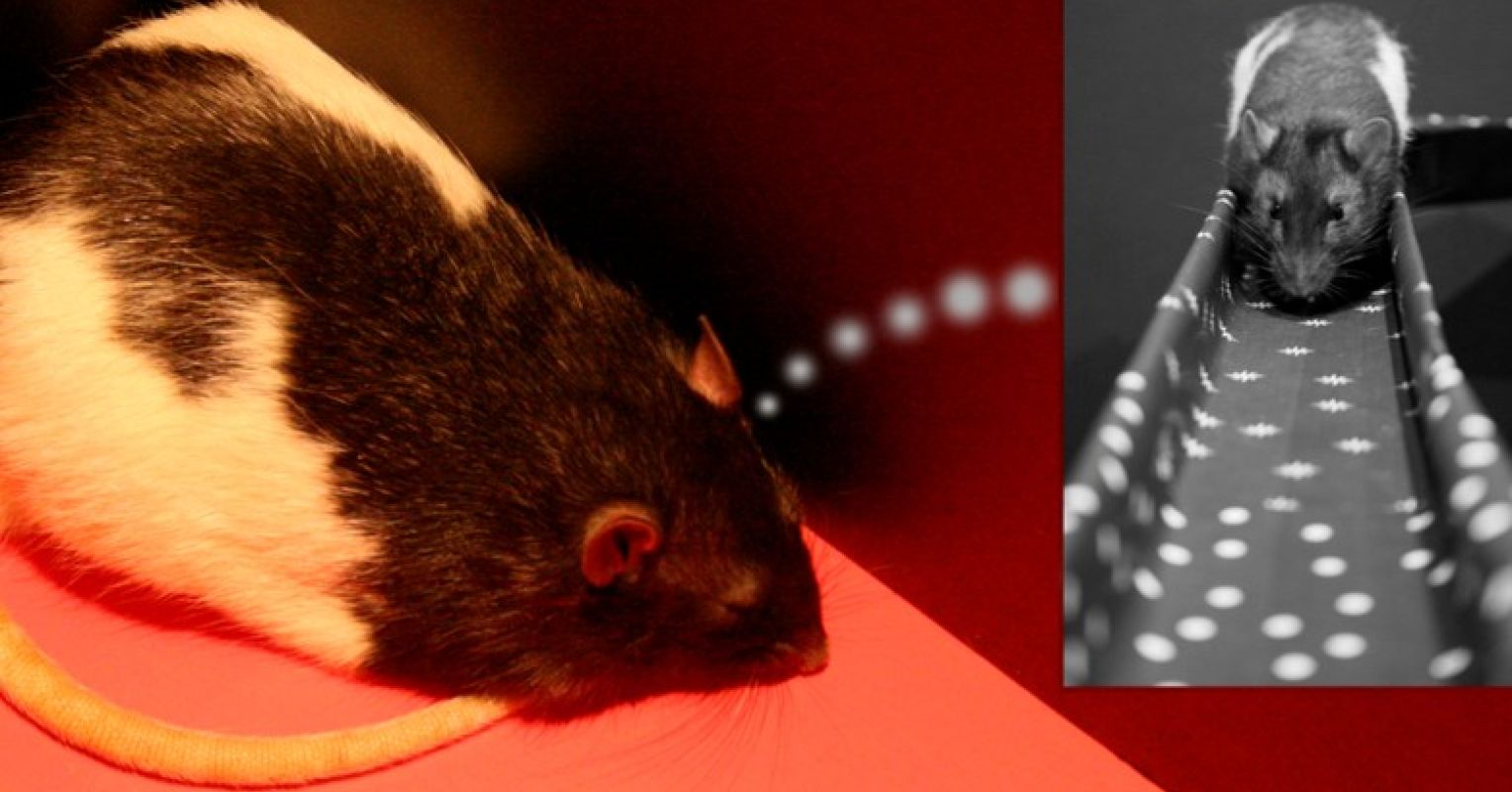
The Brain ‘Rotates’ Memories to Save Them From New Sensations | Quanta Magazine
Some populations of neurons simultaneously process sensations and memories. New work shows how the brain rotates those representations to prevent interference.
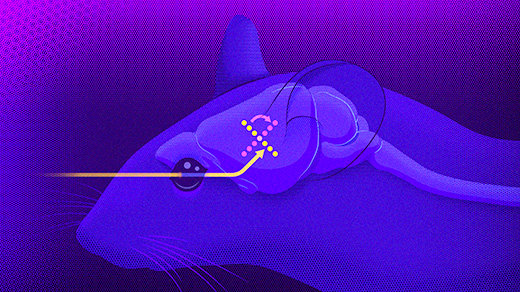
To Remember, the Brain Must Actively Forget | Quanta Magazine
Researchers find evidence that neural systems actively remove memories, suggesting that forgetting may be the default mode of the brain.
How does the brain link events to form a memory? Study reveals unexpected mental processes
A woman walking down the street hears a bang. Several moments later she discovers her boyfriend, who had been walking ahead of her, has been shot. A month later, the woman checks into the emergency room. ...

Emotional Memory Cells Driving Empathy Discovered - Neuroscience News
Researchers have uncovered a brain mechanism in the prefrontal cortex that determines how animals respond to others’ emotions based on their own past experiences.

Neuroscientists show how neurons respond to sequences of familiar objects
The world grows increasingly more chaotic year after year, and our brains are constantly bombarded with images. A new study from Center for the Neural Basis of Cognition (CNBC), a joint project between ...

False Memories Can Form Within Seconds, Study Finds - Slashdot
In a new study, scientists found that it's possible for people to form false memories of an event within seconds of it occurring. This almost-immediate misremembering seems to be shaped by our expectations of what should happen, the team says. Gizmodo reports: "This study is unique in two ways, in ...

Brain Study Suggests Traumatic Memories Are Processed as Present Experience (Published 2023)
Traumatic memories had their own neural mechanism, brain scans showed, which may help explain their vivid and intrusive nature.

James Gleick on How Our Cultural Fascination with Time Travel Illuminates Memory, the Nature of Time, and the Central Mystery of Human Consciousness
“Every moment alters what came before. We reach across layers of time for the memories of our memories.”
Mental time travel: a new case of autobiographical hypermnesia
Remembering past events in minute detail, revisiting them methodically, and reliving past emotions—this is the peculiarity of people with an exceptional memory of their own lives, known as autobiographical hypermnesia, or hyperthymesia. This fascinating condition remains poorly understood, and each new case contributes to our understanding. In a recent article in Neurocase, researchers from Paris Brain Institute and the Memory, Brain, and Cognition Laboratory (LMC²) in Paris describe the extraordinary mental life of a 17-year-old girl.
New research suggests depression impacts emotional responses to autobiographical memories
New research from the journal Cognitive Behaviour Therapy points to a cognitive bias that might be involved in the maintenance of negative mood among

False memories arise because the brain codes similar ideas similarly
Efficiency In neural storage allows false memories to arise.
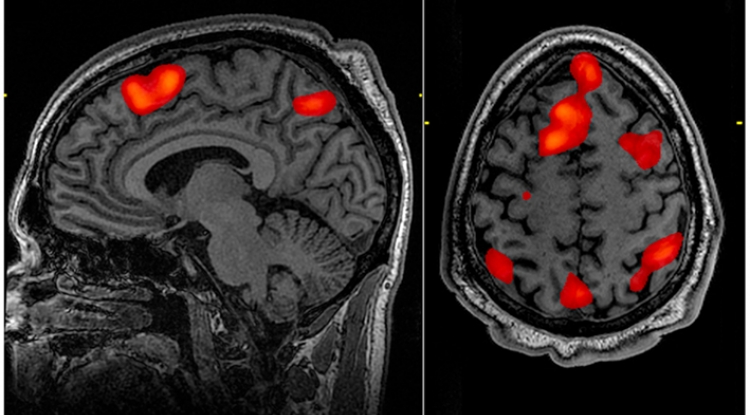
Our Brains Instantly Make 2 Copies of Each Memory | NOVA | PBS
These findings upend more than 50 years of accepted neuroscience

Outside the body our memories fail us
New research from Karolinska Institutet and Umeå University demonstrates for the first time that there is a close relationship between body perception and the ability to remember. For us to be able to ...

Keep Forgetting Things? Neuroscience Says These 8 Brain Habits Improve Memory and Leadership
A brief introduction to some of the most interesting studies from the past couple of years.

Walking backwards can boost your short-term memory | New Scientist
Moving backwards - or simply imagining doing it - can be enough to improve scores on memory tests, but we don't know why
