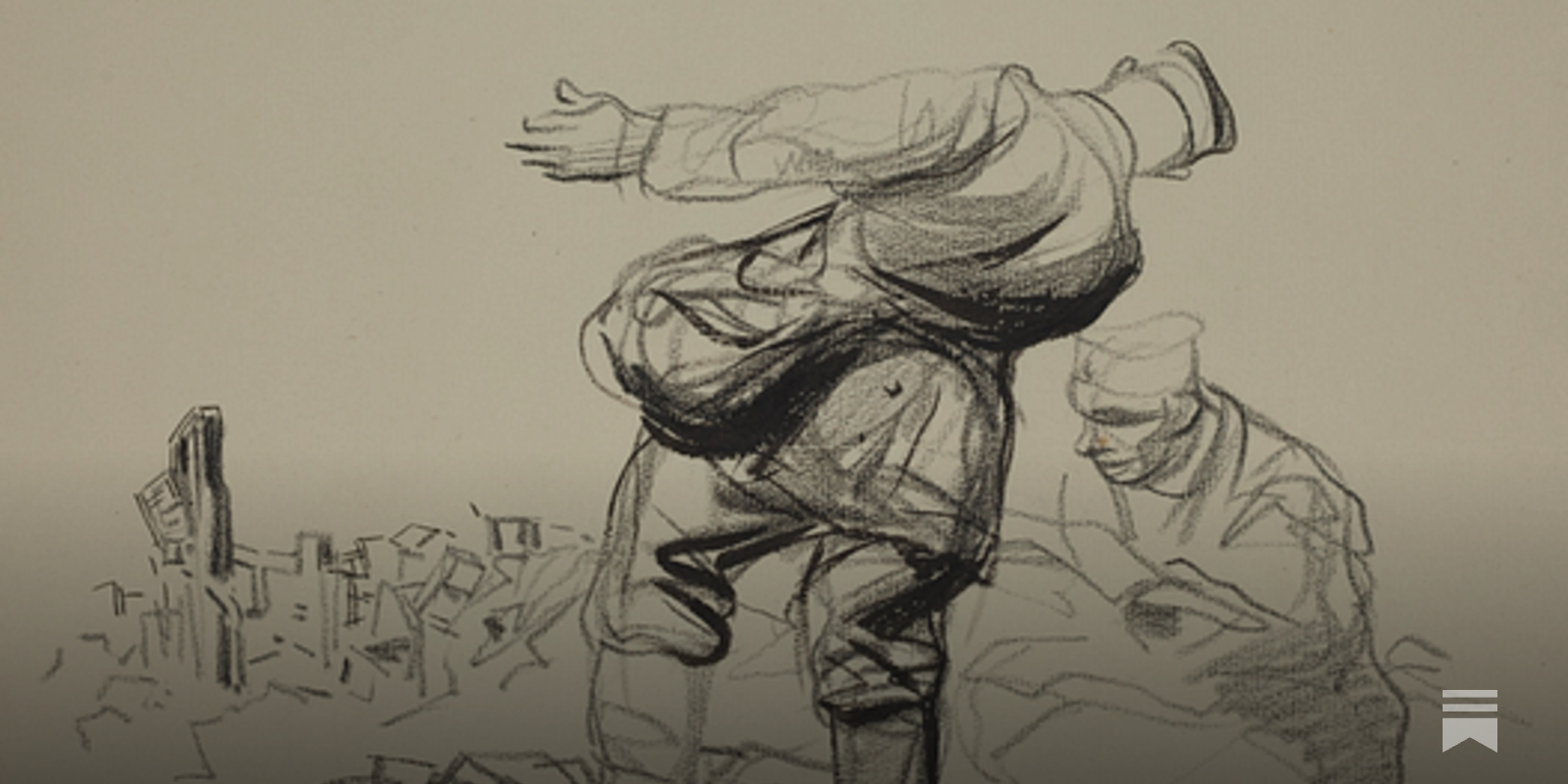
Contemplating the purpose of the press after the Trump revolution.
The Rise of the Right-Wing Media Machine
This conservative media machine now rivals—and may well surpass—the power and the influence of the old-line press. It holds sway over much of the national agenda, deciding which ideas and...

The Rise of the Right-Wing Media Machine
This conservative media machine now rivals—and may well surpass—the power and the influence of the old-line press. It holds sway over much of the national agenda, deciding which ideas and...
The Myth of Allied Technological Inferiority
World War II, The Free Press, and the Problematic Use of History in Contemporary Media

Language Models Trained on State Media Sources Launder Propaganda
Tech Policy Press is a nonprofit media and community venture intended to provoke new ideas, debate and discussion at the intersection of technology and democracy. We publish opinion and analysis.
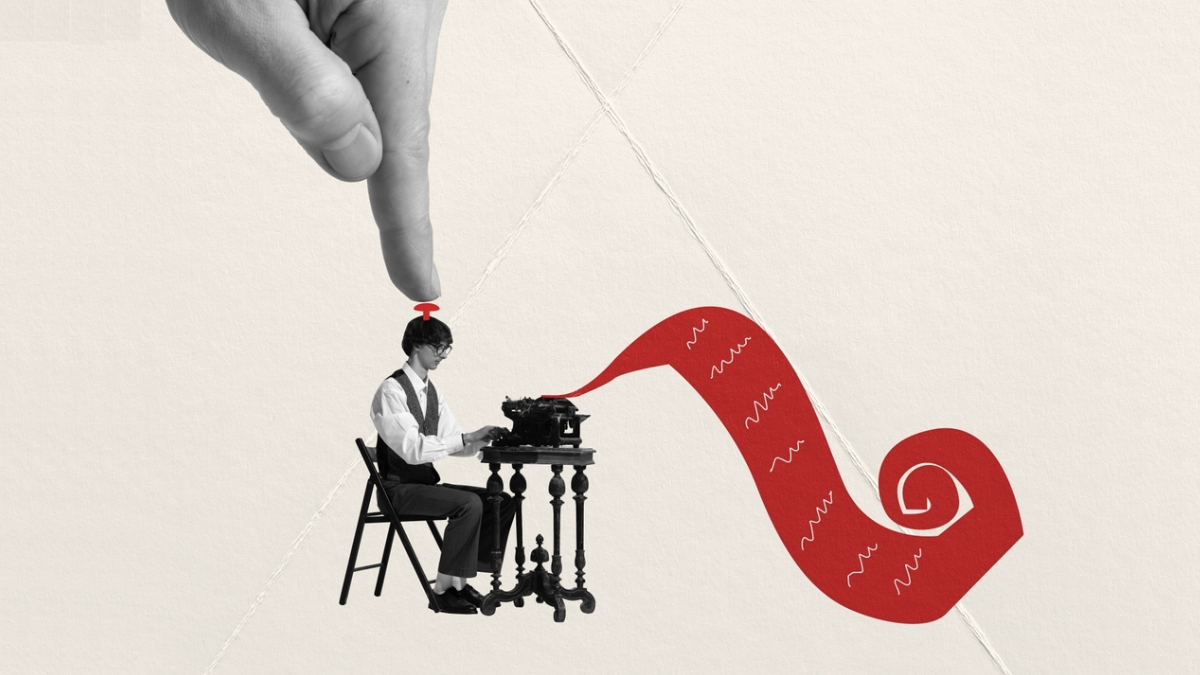
Journalists still wrongly think the U.S. is different
"Political journalism needs to wean itself from right-wing agitators and call this period what it is: an erosion of democracy and attempts to radicalize large chunks of the electorate."

The Problem of the Media: U.S. Communication Politics in the Twenty-First Century | JSTOR
The symptoms of the crisis of the U.S. media are well-knowna decline in hard news, the growth of info-tainment and advertorials, staff cuts and concentration…
Why ‘Flooding the Zone’ Works for Trump - Dame Magazine
Trump’s allies openly described a strategy to overwhelm the press with simultaneous crises. The structure of modern journalism makes it work
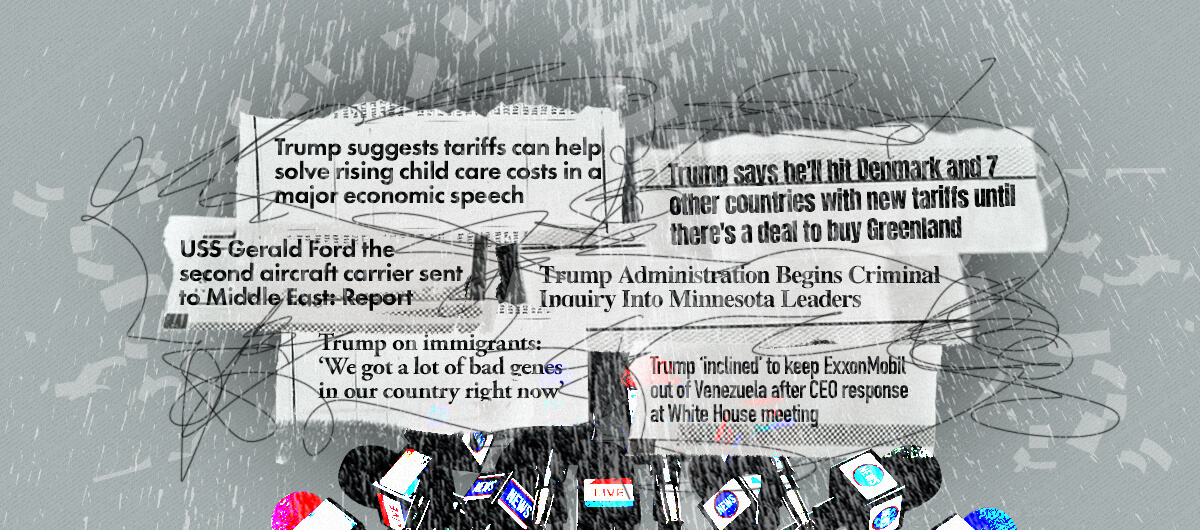
Does Journalism Have a Future?
In an era of social media and fake news, journalists who have survived the print plunge have new foes to face.

Manufacturing Consent: The Political Economy of the Mass Media
A bold and eye-opening exposé on how power and propaganda distort the news, now more relevant than ever • With an updated introduction“[A] compelling indictment of the news media’s role in covering up errors and deceptions in American foreign policy.”—The New York Times Book Review Renowned scholars Edward S. Herman and Noam Chomsky reveal how U.S. news media, far from being independent watchdogs, often function as tools of elite influence. With probing analysis, they present their Propaganda Model, a framework that explains how systemic bias shapes the stories we’re told, the voices we hear, and the truths that remain hidden.Through deeply researched case studies, from the Vietnam War to coverage of “worthy” vs. “unworthy” victims, Manufacturing Consent exposes the structural forces that drive news organizations to reinforce power rather than question it. It’s a sobering portrait of a media system more interested in maintaining order than informing the public.This edition includes an introduction updating key examples and expanding the Propaganda Model’s relevance to issues like the coverage of NAFTA, the media’s treatment of global protests, and environmental regulation.Manufacturing Consent is a powerful assessment of how propagandistic the U.S. mass media are, how they systematically fail to live up to their self-image as providers of the kind of information that people need to make sense of the world, and how we can understand their function in a radically new way.Whether you’re a student, activist, or citizen looking to see beyond the headlines, this book will transform how you understand the media—and the world around you.

Strategies for Media Reform: International Perspectives | JSTOR
Media reform plays an increasingly important role in the struggle for social justice. As battles are fought over the future of investigative journalism, media…

The Left Needs Media That Competes — and Wins
The Right’s growing success with working-class voters wasn’t won with policy papers or think tanks; it was built through media that speaks their language. If the Left wants to compete, it needs to build a media ecosystem that resonates.

Donald Trump just barred Washington Post reporters from campaign events. That should bother you.
Banning media is bad for democracy. Period.

Tech Policy Press - Technology and Democracy
Tech Policy Press is a nonprofit media and community venture intended to provoke new ideas, debate and discussion at the intersection of technology and democracy. We publish opinion and analysis.

Q&A: Robin Berjon on freeing journalists' feeds.
The AT protocol and “long-term, lifelong, sustainable protection against enshittification.”
Push journalism vs. pull journalism
Let's experiment with making news products so relevant that people pull them into their lives