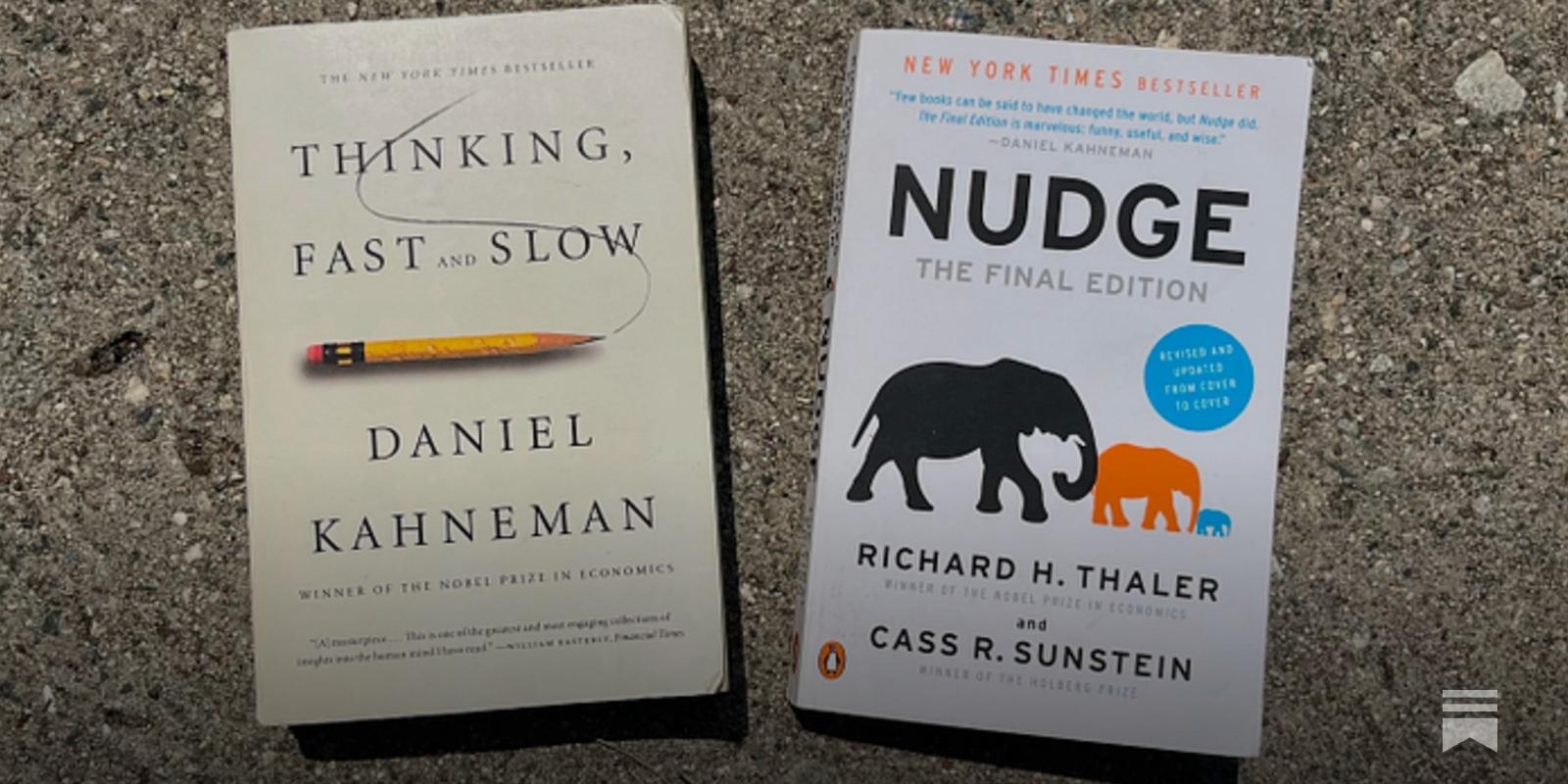
What behavioral economics can add to the story of news decline.
Changes to the Facebook Algorithm Decreased News Visibility Between 2021-2024
Platforms, especially Facebook, are primary news sources in the US. In its widely criticized "War on News," Meta algorithmically deprioritized news and political content. We use data from 40 news organizations (5,243,302 Facebook posts, 7,875,372,958 user reactions) and 21 non-news pages (396,468 posts; 1,909,088,308 reactions) between January 1, 2016 and February 13, 2025 to examine how these changes influenced news visibility on the platform. Reactions to news declined by 78% between 2021 and 2024 while reactions to non-news pages increased, indicating targeted suppression of news visibility. Low-quality sources were especially suppressed, yet the 2025 end to "War on News" increased user reactions to news, especially low-quality ones. These changes do not reflect decreased news supply, Facebook user base, or interest in news over this period.

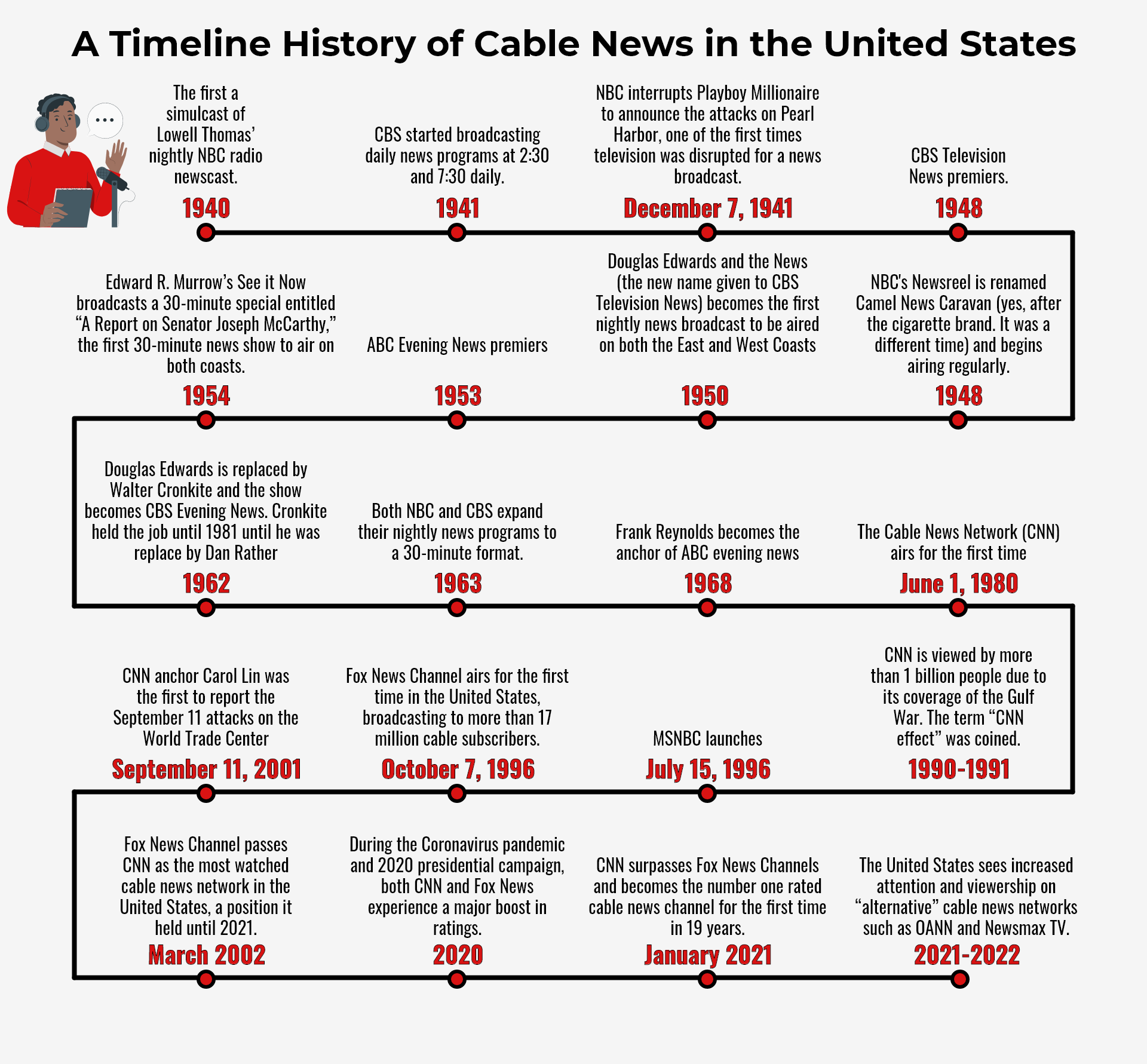
The Growth and Impact of Cable News
Cable news has had a tremendous impact on how people consume news. We discuss the growth and impact of cable news including the good, bad and downright ugly.
The future of news is happening where no one is looking
"In 2026, more news organizations will understand that people don’t always want an article. Sometimes they just want clarity."

The Metric Media network runs more than 1,200 local news sites. Here are some of the non-profits funding them.
<p>This is the first part of a two-part investigation. The second piece can be found here. As local news outlets across the US struggle to stay afloat, pop-up newsrooms are filling the void. Organizations with ties to political parties, special-interest groups, and lobbyists have emerged under the guise of news. One of the biggest such […]</p>
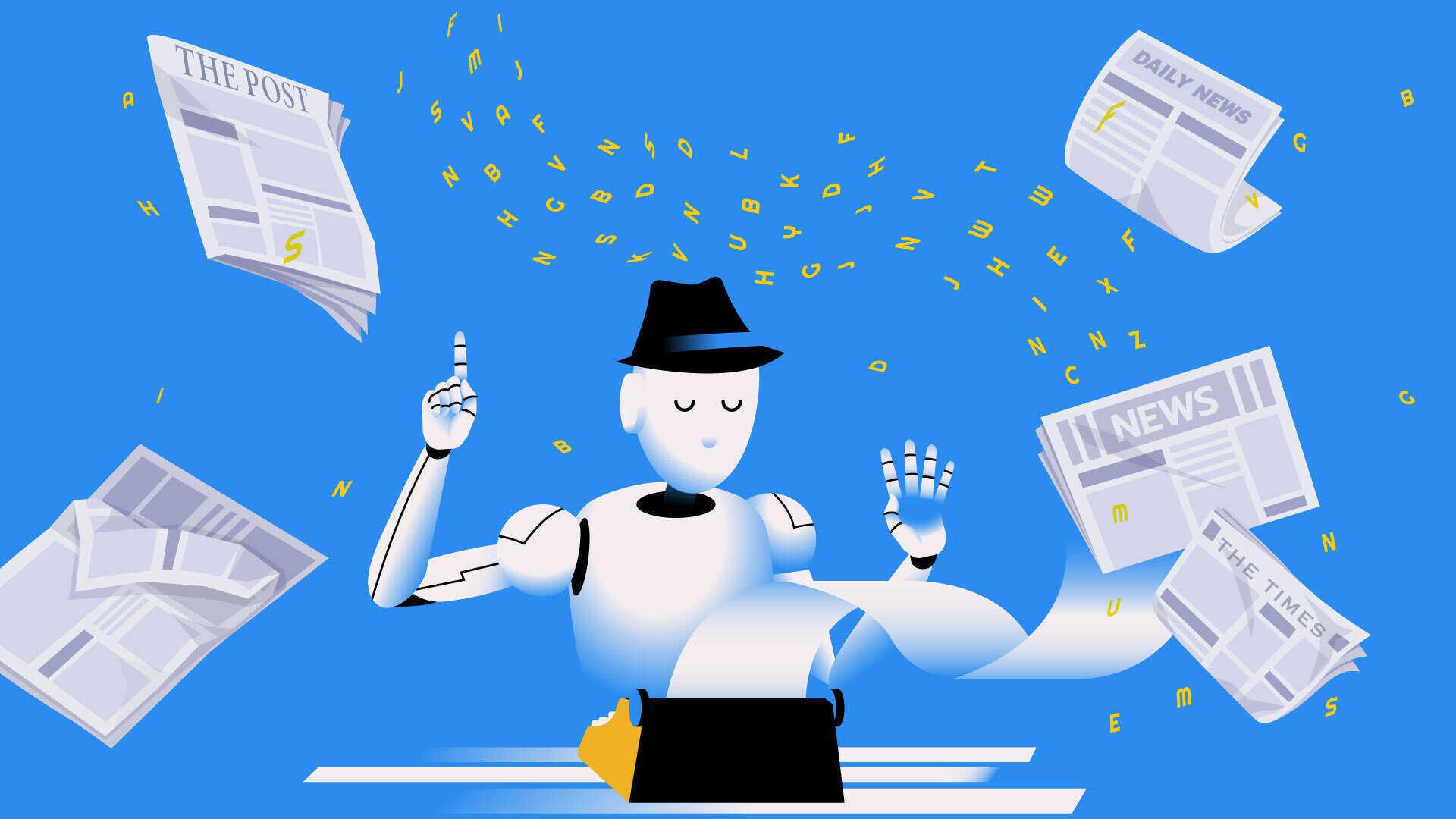
Artificial Intelligence in the News: How AI Retools, Rationalizes, and Reshapes Journalism and the Public Arena
<p>Download the pdf here. Executive Summary Despite growing interest, the effects of AI on the news industry and our information environment — the public arena — remain poorly understood. Insufficient attention has also been paid to the implications of the news industry’s dependence on technology companies for AI. Drawing on 134 interviews with news workers […]</p>

Internet for the People: The Fight for Our Digital Future
"For all the informational convenience the internet offers, it is deeply flawed. How can it be improved? Writer Ben Tarnoff proposes one possibility in this intriguing book, which urges the development of 'a public lane on the information superhighway.' It's worth checking out for yourself." – Seth MacFarlane Why is the internet so broken, and what could ever possibly fix it? In Internet for the People, leading tech writer Ben Tarnoff offers an answer. The internet is broken, he argues, because it is owned by private firms and run for profit. Google annihilates your privacy and Facebook amplifies right-wing propaganda because it is profitable to do so. But the internet wasn't always like this—it had to be remade for the purposes of profit maximization, through a years-long process of privatization that turned a small research network into a powerhouse of global capitalism. Tarnoff tells the story of the privatization that made the modern internet, and which set in motion the crises that consume it today. The solution to those crises is straightforward: deprivatize the internet. Deprivatization aims at creating an internet where people, and not profit, rule. It calls for shrinking the space of the market and diminishing the power of the profit motive. It calls for abolishing the walled gardens of Google, Facebook, and the other giants that dominate our digital lives and developing publicly and cooperatively owned alternatives that encode real democratic control. To build a better internet, we need to change how it is owned and organized. Not with an eye towards making markets work better, but towards making them less dominant. Not in order to create a more competitive or more rule-bound version of privatization, but to overturn it. Otherwise, a small number of executives and investors will continue to make choices on everyone’s behalf, and these choices will remain tightly bound by the demands of the market. It's time to demand an internet by, and for, the people now.
Internet for the People: The Fight for Our Digital Future
"For all the informational convenience the internet offers, it is deeply flawed. How can it be improved? Writer Ben Tarnoff proposes one possibility in this intriguing book, which urges the development of 'a public lane on the information superhighway.' It's worth checking out for yourself." – Seth MacFarlane Why is the internet so broken, and what could ever possibly fix it? In Internet for the People, leading tech writer Ben Tarnoff offers an answer. The internet is broken, he argues, because it is owned by private firms and run for profit. Google annihilates your privacy and Facebook amplifies right-wing propaganda because it is profitable to do so. But the internet wasn't always like this—it had to be remade for the purposes of profit maximization, through a years-long process of privatization that turned a small research network into a powerhouse of global capitalism. Tarnoff tells the story of the privatization that made the modern internet, and which set in motion the crises that consume it today. The solution to those crises is straightforward: deprivatize the internet. Deprivatization aims at creating an internet where people, and not profit, rule. It calls for shrinking the space of the market and diminishing the power of the profit motive. It calls for abolishing the walled gardens of Google, Facebook, and the other giants that dominate our digital lives and developing publicly and cooperatively owned alternatives that encode real democratic control. To build a better internet, we need to change how it is owned and organized. Not with an eye towards making markets work better, but towards making them less dominant. Not in order to create a more competitive or more rule-bound version of privatization, but to overturn it. Otherwise, a small number of executives and investors will continue to make choices on everyone’s behalf, and these choices will remain tightly bound by the demands of the market. It's time to demand an internet by, and for, the people now.
Following news on social media boosts knowledge, belief accuracy and trust
Many worry that news on social media leaves people uninformed or even misinformed. Here we conducted a preregistered two-wave online field experiment in France and Germany (N = 3,395) to estimate the effect of following the news on Instagram and WhatsApp. Participants were asked to follow two accounts for 2 weeks and activate the notifications. In the treatment condition, the accounts were those of news organizations, while in the control condition they covered cooking, cinema or art. The treatment enhanced current affairs knowledge, participants’ ability to discern true from false news stories and awareness of true news stories, as well as trust in the news. The treatment had no significant effects on feelings of being informed, political efficacy, affective polarization and interest in news or politics. These results suggest that, while some forms of social media use are harmful, others are beneficial and can be leveraged to foster a well-informed society.

Why You Shouldn’t Create a Newsletter (What to Do Instead)
Once upon a time, the online newsletter produced enormous profits for all kinds of businesses. Nowadays, it's just pure foolishness.

Push journalism vs. pull journalism
Let's experiment with making news products so relevant that people pull them into their lives

Report: AI Use in Newspapers Is Widespread, Uneven… | Maryland Today
UMD Computer Scientists, Private Firms Examine News and Opinion Pages in U.S. Media
Why Don’t We Learn from Social Media? Studying Effects of and Mechanisms behind Social Media News Use on General Surveillance Political Knowledge
Does exposure to news affect what people know about politics? This old question attracted new scholarly interest as the political information environment is changing rapidly. In particular, since c...

Publishers must let online readers pay for news anonymously
Some newspaper and magazine websites are cutting off access to readers unless they accept being surveilled by advertisers – no thank you!
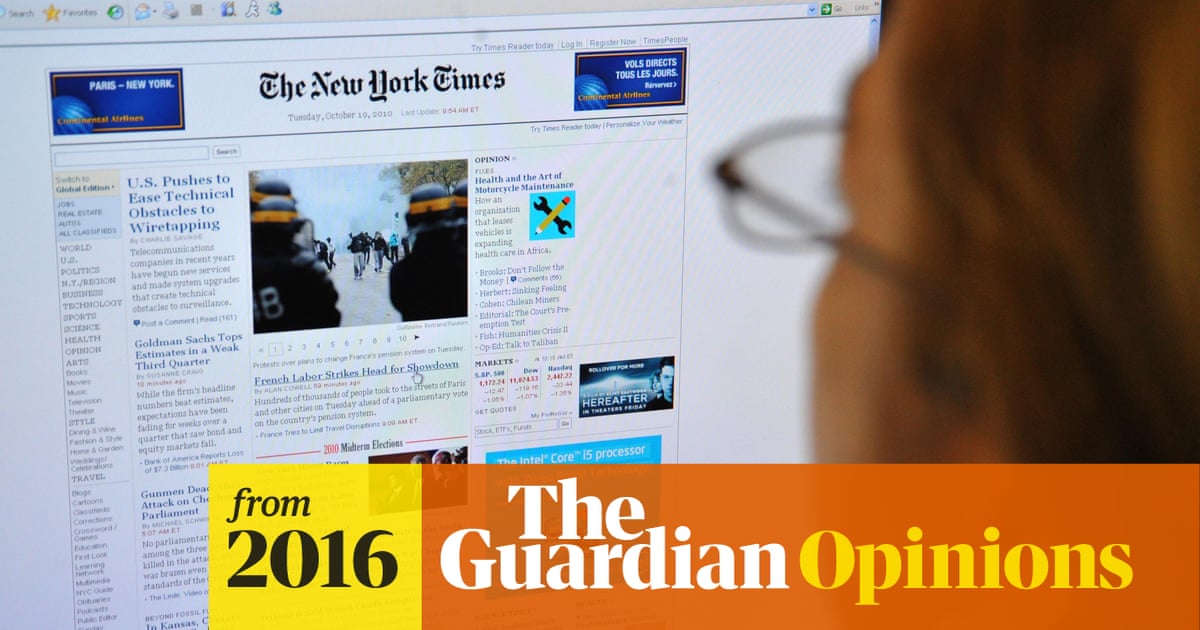
Five Things You Notice When You Quit the News
I grew up believing that following the news makes you a better citizen. Eight years after having quit, that idea now seems ridiculous—that consuming a particularly unimaginative information produ...
Google News Is Boosting Garbage AI-Generated Articles
404 Media reviewed multiple examples of AI rip-offs making their way into Google News. Google said it doesn't focus on how an article was produced—by an AI or human—opening the way for more AI-generated articles.