

Matt Prewitt — lawyer, writer, technologist. AI, authority, and the political economy of information.
The History of Information - Chris Haughton
disinformation, chris haughton, information, noam chomsky

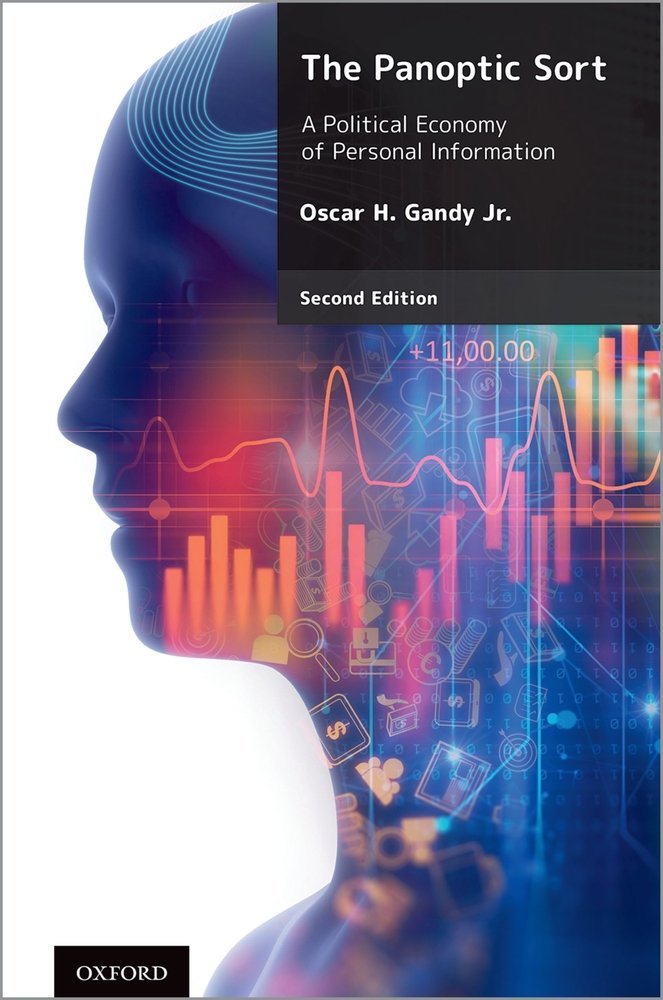
The Panoptic Sort: A Political Economy of Personal Information
A Political Economy of Personal Information
What the Hell is Going On? - David Perell
David shares how the new age of information abundance is transforming commerce, education, and politics. Read here.

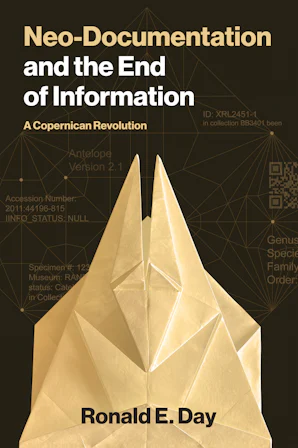
Neo-Documentation and the End of Information
Ronald Day’s Neo-Documentation and the End of Information critiques the modern conception of information as representational “content.” The...

Artificial Intelligence | The Paper Pilot
The Paper Pilot's digital garden of thoughts on philosophy, politics, and sociology
Interconnected, a blog by Matt Webb
My notebook and space for thinking out loud since February 2000.

» Retro No More: Interactive Fiction of the Early Comp Era The Digital Antiquarian
In 2002, Paul O’Brian, a prolific author, reviewer, and commentator on the contemporary interactive-fiction scene, attempted to compile a list of those people who had done the most to help text adventures live on beyond the death of Infocom. Among the names he listed were those of Mike Roberts and Graham Nelson, the creators of TADS and Inform; Andrew Plotkin, who contributed crucial technical innovations of his own and authored a number of perplexing, intriguing games; and Adam Cadre, who wrote the single most-played text adventure of the post-Infocom era. None of these names will come as a surprise to anyone who has been even a casual tourist of the interactive-fiction scene over the years. But another of them very well might: that of Gerry Kevin “Whizzard” Wilson. And yet one can make an argument that his skill set was the most unique and thus the most essential of them all.
matt.evil.gay/secretsky
Private microblogging for mutual follows, built on ATProto Spaces.
matt.evil.gay/secretsky
Private microblogging for mutual follows, built on ATProto Spaces.
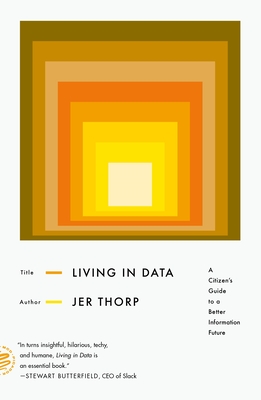
Living in Data: A Citizen's Guide to a Better Information Future (Paperback)
Jer Thorp’s analysis of the word “data” in 10,325 New York Times stories written between 1984 and 2018 shows a distinct trend: among the words most closely associated with “data,” we find not only its classic companions “information” and “digital,” but also a variety of new neighbors—from “scandal” and “misinformation” to “ethics,” “friends,” and “play.”To live in data in the twenty-first century
Kill the Internet | The Paper Pilot
The Paper Pilot's digital garden of thoughts on philosophy, politics, and sociology
The Information Philosopher - dedicated to the new information philosophy
Information Philosopher is dedicated to the new Information Philosophy, with explanations for Freedom, Values, and Knowledge.
Technocracy | The Paper Pilot
The Paper Pilot's digital garden of thoughts on philosophy, politics, and sociology
Radical Skepticism About Information Fiduciaries
Khan and Pozen are right to note the fundamental conflict between “information fiduciary” duties and shareholder interests. I only wish to add two further points in service of a radical skepticism towards the information fiduciary concept.

Early Internet | The Paper Pilot
The Paper Pilot's digital garden of thoughts on philosophy, politics, and sociology