

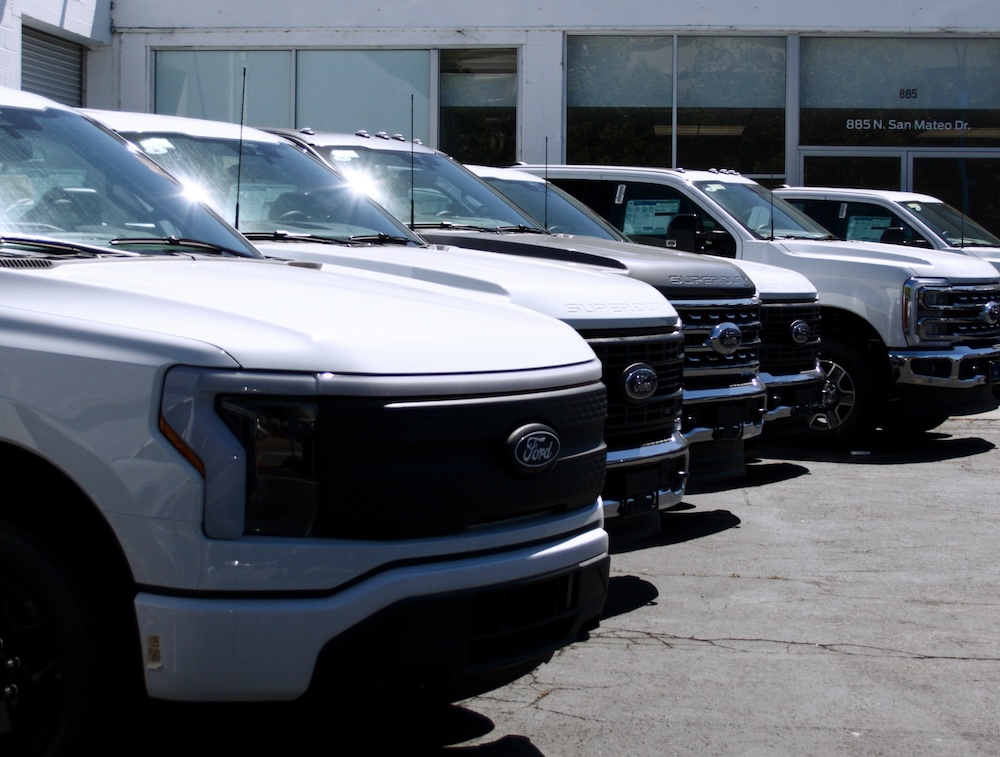
American vehicles have grown heavier, faster, and wider every decade since 1982 — and federal fuel economy rules reward the growth. Evidence from 50 years of EPA data.
Americans’ love affair with big cars is killing them
New analysis shows that the heaviest vehicles kill more people than they save in crashes

The Deadly Rise of Giant Trucks and S.U.V.s
The vehicles on American roads have grown larger — and they are killing thousands more pedestrians, a Times investigation found.

We don’t just need electric cars, we need fewer cars - Greenpeace International
Ever since the first production car rolled off the assembly line more than 100 years ago, our love affair with automobiles has grown and grown.
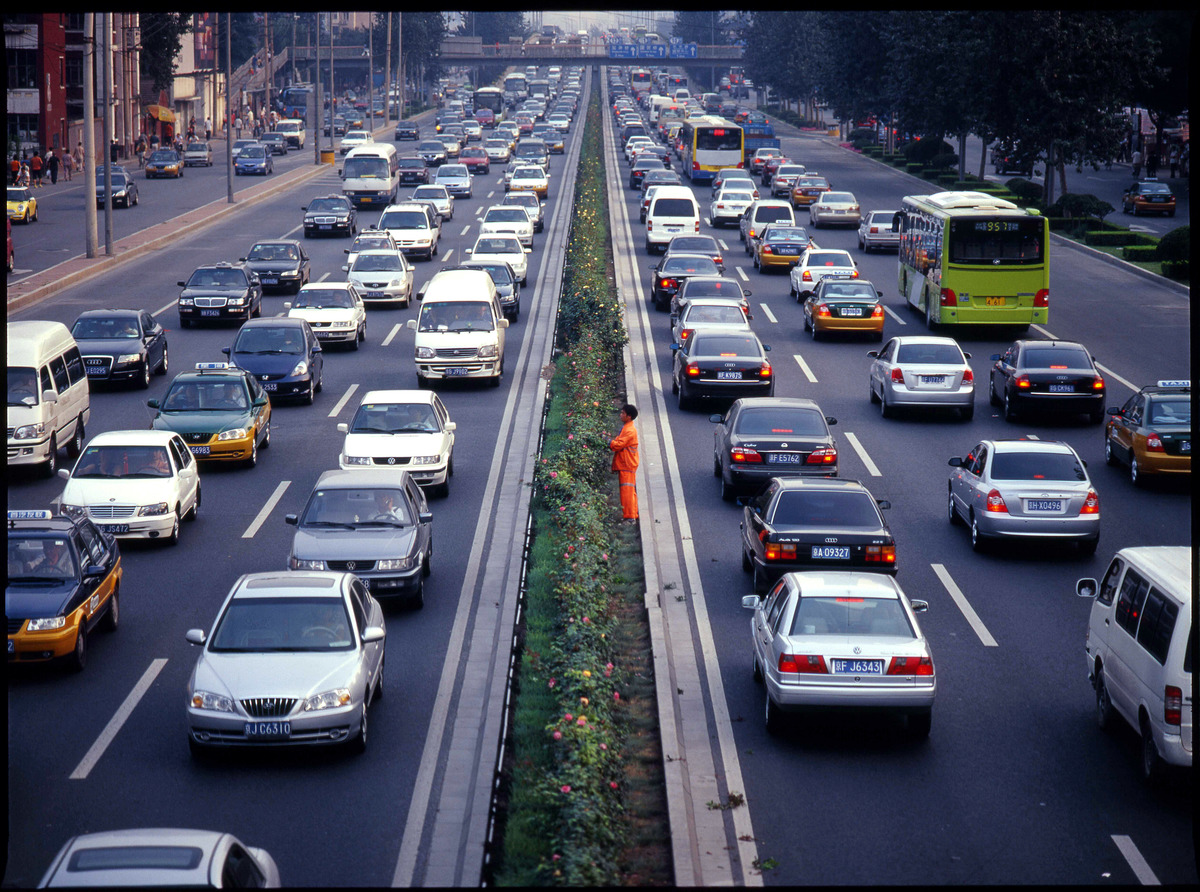
Why Public Transportation Works Better Outside the U.S.
The widespread failure of American mass transit is usually blamed on cheap gas and suburban sprawl. But the full story of why other countries succeed is more complicated.

Is Tesla disruptive? — Benedict Evans
Car people often look at Tesla the way Nokia looked at the iPhone. “Nice ideas, but we can easily do all of that, and they don’t understand our industry.” Nokia was wrong - but will the car industry look the same? Maybe not.
AI’s climate impact is much smaller than many feared
New findings challenge the widespread belief that AI is an environmental villain. By analyzing U.S. economic data and AI usage across industries, researchers discovered that AI’s energy consumption—while significant locally—barely registers at national or global scales. Even more surprising, AI could help accelerate green technologies rather than hinder them.

Reducing car dependence: benefits, strategies, unintended consequences, and future directions of post-car urban transitions
This paper presents the state of the art of post-car urban transitions. It begins with an overview of the impact of automobility on planetary and human well-being. The benefits of post-car cities a...

Valuing What Counts: Framework to Progress Beyond Gross Domestic Product: Our Common Agenda Policy Brief 4
Paying for driving
Drivers in the US pay about half of what their driving costs. The rest comes to $2.15 trillion a year.

Britain’s cars and SUVs are growing bigger – but there is a way to stop this deadly ‘carspreading’ | Christian Wolmar
Larger vehicles crowd our roads and are far more dangerous to pedestrians. Let’s curb them before they do even more damage, says says transport commentator Christian Wolmar

Too much of a good thing
Profits are too high. America needs a giant dose of competition

The AI spending boom could have real consequences for the U.S. economy
As revisions to U.S. jobs numbers call into question economic growth, Big Tech is becoming an even more important part of American prosperity.

Best of times, worst of times: record fossil-fuel profits, inflation and inequality
The 2022 oil and gas crisis resulted in record fossil-fuel profits globally that rehabilitated the oil and gas industry, obstructed the energy transition and contributed to inflation, but their magnitude and beneficiaries have been insufficiently understood. Here we show the size of profits across countries and their distribution across socio-economic groups within the United States, using company income statements, comprehensive ownership data and a network model for propagating profits via shareholdings. We estimate that globally, net income in publicly listed oil and gas companies alone reached US$916 billion in 2022, with the United States the biggest beneficiary with claims on US$301 billion, more than U.S. investments of US$267 billion in the low carbon economy that year. In a network of U.S. shareholdings with 252,433 nodes including privately held U.S. companies, 50 % of profits went to the wealthiest 1 % of individuals, predominantly through direct shareholdings and private company ownership. In contrast the bottom 50 % only received 1 %. The incremental U.S. fossil-fuel profits in 2022 relative to 2021 were enough to increase the disposable income of the wealthiest Americans by several percent and compensate a substantial part of their purchasing power loss from inflation that year, thereby exacerbating inflation inequality. These profits also reinforced existing racial and ethnic inequalities and inequalities between groups with different educational attainments. We discuss how an excess profit tax could be used to both lower inequality and accelerate the energy transition as increasing geopolitical tensions and climate impacts threaten continued volatility in oil and gas markets.
The shale revolution helped make America’s economy great
But will the country’s oil riches discourage a similar revolution in renewables?

The Moat or the Commons — Warman Notes
American capital financed AI on the assumption it would be the next great monopoly. Open-weight models are commoditizing the capability that monopoly was supposed to protect. The collision between the two now defines the direction of the U.S. AI industry — and the country.
cars are bad for humans

equity, mental, social, health issues caused by cars and car infra. #fuckcars

Motorists in one of a Montreal’s busiest boroughs support bike lanes
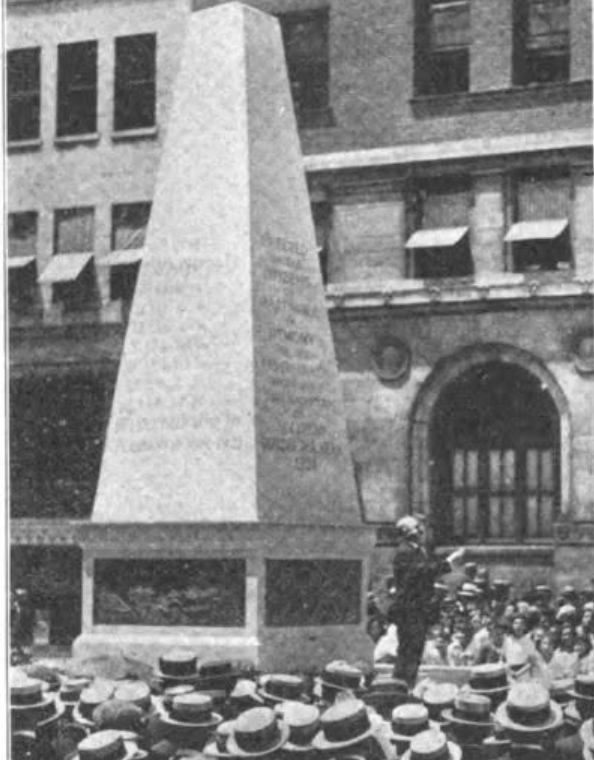
Killing someone with a car costs $1.6 million. California requires drivers to carry $30,000
Paying for driving
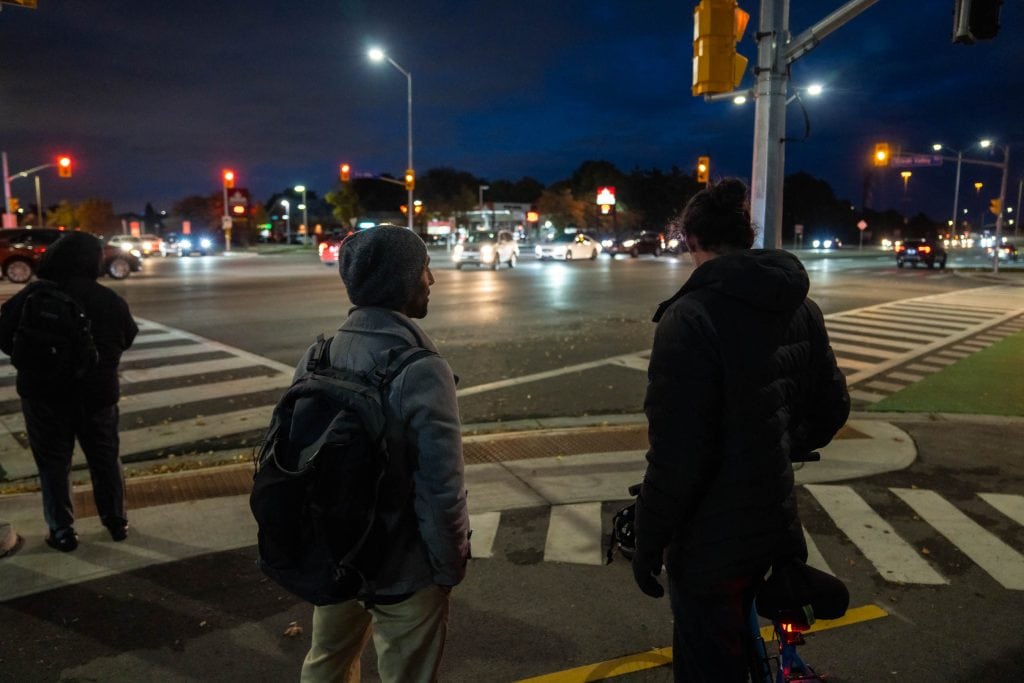
Will Canada’s gas tax holiday drive up emissions and help the rich? | The Narwhal

Transit push in Montreal could generate more GDP than vehicular focus: study - Montreal | Globalnews.ca

Every Right On Red Frays The Social Contract A Little Further | Defector