

NHTSA puts the average economic cost of a traffic fatality at $1.6 million. California requires a driver to carry $30,000 in bodily injury coverage, and everyone who was not in the crash pays the rest.
Paying for driving
Drivers in the US pay about half of what their driving costs. The rest comes to $2.15 trillion a year.

Americans’ love affair with big cars is killing them
New analysis shows that the heaviest vehicles kill more people than they save in crashes

The Deadly Rise of Giant Trucks and S.U.V.s
The vehicles on American roads have grown larger — and they are killing thousands more pedestrians, a Times investigation found.

The Universal Pursuit of Safety and the Demand for (Lethal, Non-Lethal or No) Guns - Social Economics Lab
Personal lethal firearm ownership has for several decades been a hot button political issue in the United States. This article aims to explore the motivations and beliefs underlying sharply different views on the subject through an original large-scale survey of lethal firearm owners (LFAO) and non-owners and experimental information interventions. We start by documenting several facts: First, LFAO and non-owners appear to be driven by a common objective---to be safe. Both groups list protection of family or self as the top rationale for owning or potentially acquiring a lethal firearm (LFA). Second, among non-owners, there are those who are interested in purchasing a lethal firearm (NO-I) and those who are not (NO-UI). NO-I feel the least safe in their daily lives. Third, there are differences in emotional responses to possession of a LFA. LFAO report feeling unsafe and less confident if they did not own the product whereas NO-U report similar feelings if they did own it. Fourth, LFAO are much less concerned about the possibility of personal and social costs associated with lethal firearm possession, a finding heightened across partisan lines. Taken together, these facts motivate three experimental treatments that randomly provide respondents with information on either (1) the personal legal and medical risks of ownership or (2) a non-lethal firearm (NLFA), provided with or without a conservative pundit's endorsement. The first treatment increases concerns about harms associated with lethal firearm ownership among all respondents, but these results are generally short-lived and do not affect policy views. The second treatment, however, increases respondents' willingness to pay for a NLFA and their self-reported preference for firearms that incapacitate but do not kill. Moreover, these treatment effects are more persistent than those of the cost treatment, especially when coupled with an endorsement, and affect the support of policies aimed at encouraging NLFA. Importantly, we do not find that exposure to information on NLFA makes current owners want to give up their (lethal) guns. We interpret these findings through an organizing framework in which every household has a demand for safety but differs in how they use firearms or other tools to produce it, due to different perceptions of the safety possibilities frontier (SPF, views about the least harmful ways to achieve protection benefits) or different preferences and incentives influencing the tradeoff over protective benefits vs. harms. Our results suggest that a substantial share of LFAO perceive the SPF differently than non-owners, and that there is a potential demand for less-lethal tools to be and feel safe.
The cost of driving versus using a bike and transit (or: how to save over $7,000 a year)
I thought it would be fun to find out: how much money did I save in 2025 by cycling and using transit compared to using a car as my primary way of getting around?
What Tear Gas and Rubber Bullets Do to the Human Body
So-called “less-lethal” weapons like those that have been used against demonstrators in Los Angeles can cause severe, lasting harm like nerve or brain damage or blindness. They can also kill.

Ukraine is paying civilians up to $2,400 a month to shoot down Russian drones with whatever they can find
The new measure says paid volunteers have the right to use their personal cars, drones, or even hunting guns to fight off drones.
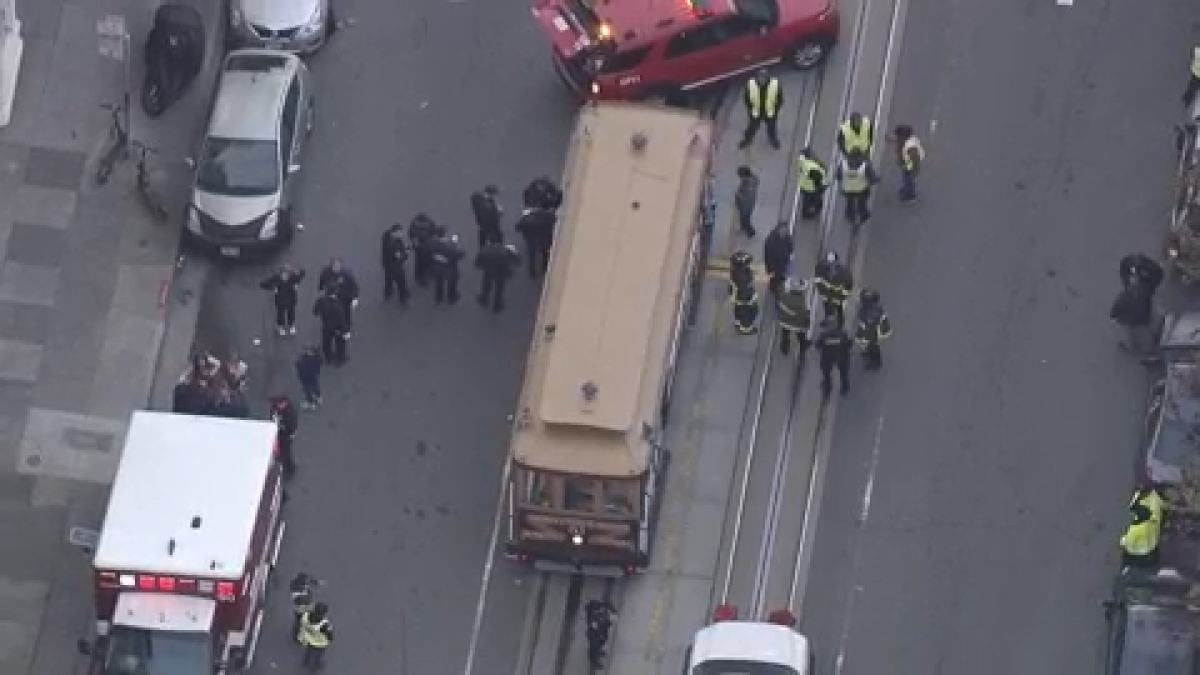
Multiple injuries reported in San Francisco cable car incident
At least 15 people were evaluated during an incident involving a cable car in San Francisco, fire officials said Monday afternoon.
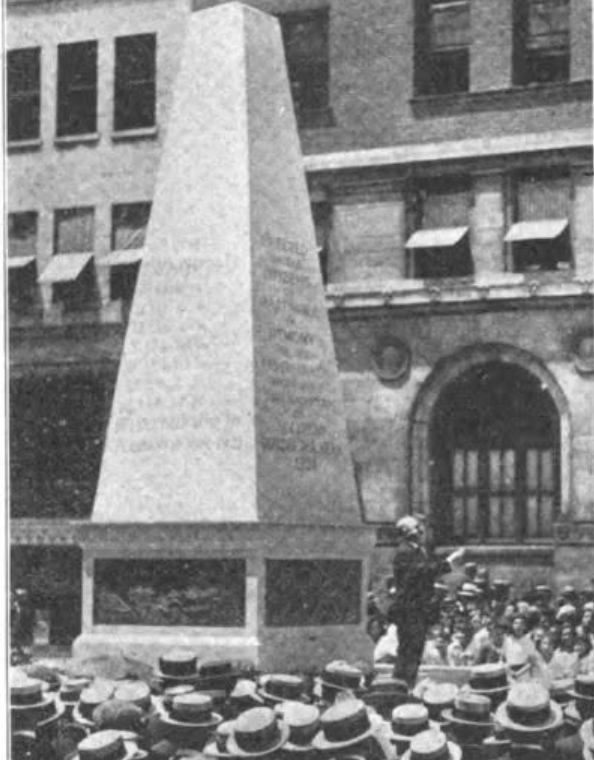
The roots of justice : crime and punishment in Alameda County, California, 1870-1910 | WorldCat.org
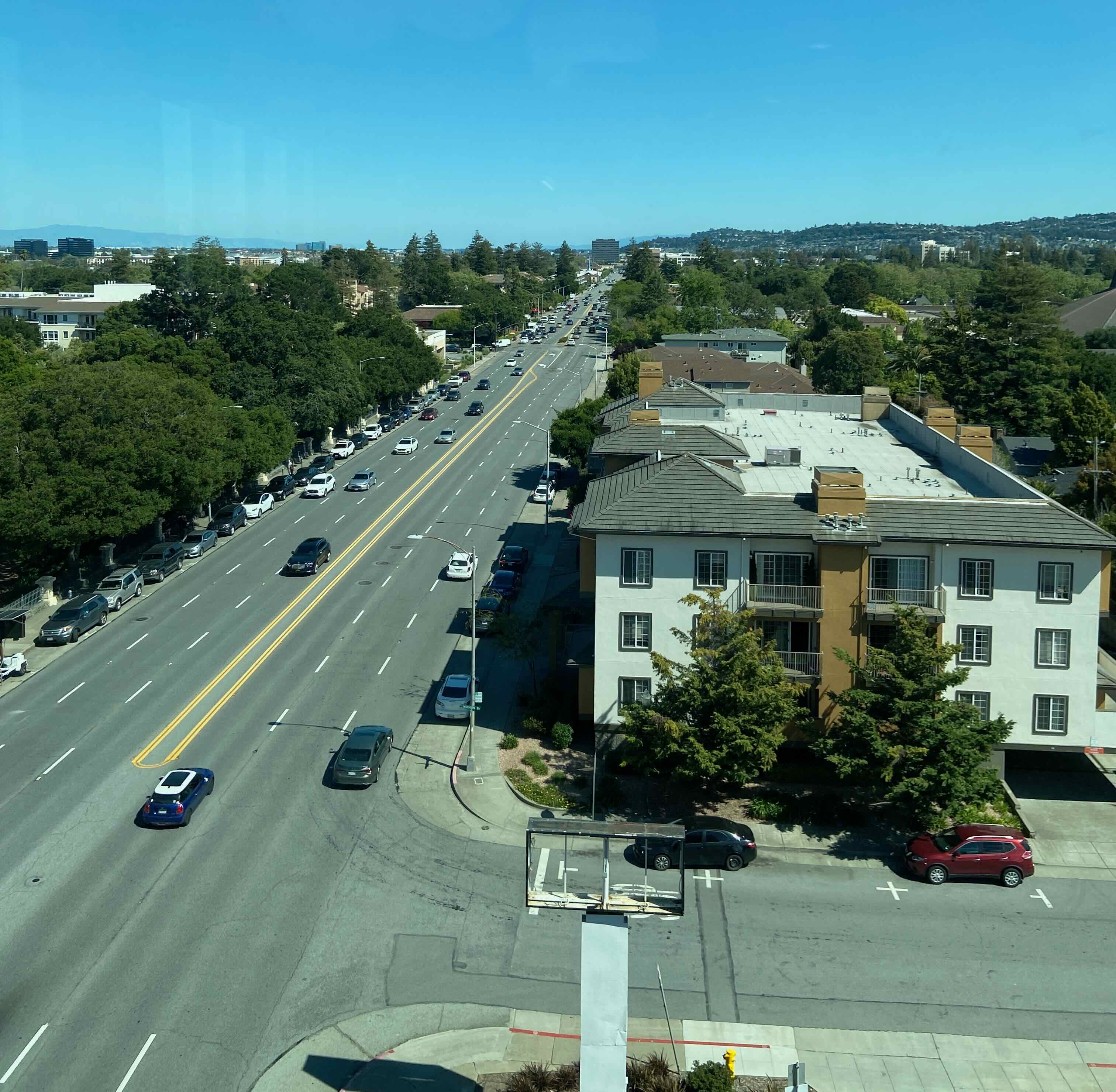
What If California Is the Most Regressive State in America?
California ranks dead last in cost-of-living-adjusted poverty among all 50 states. A native Californian makes the case that Prop 13, NIMBY housing policy, and stroads make it the most regressive state in America.
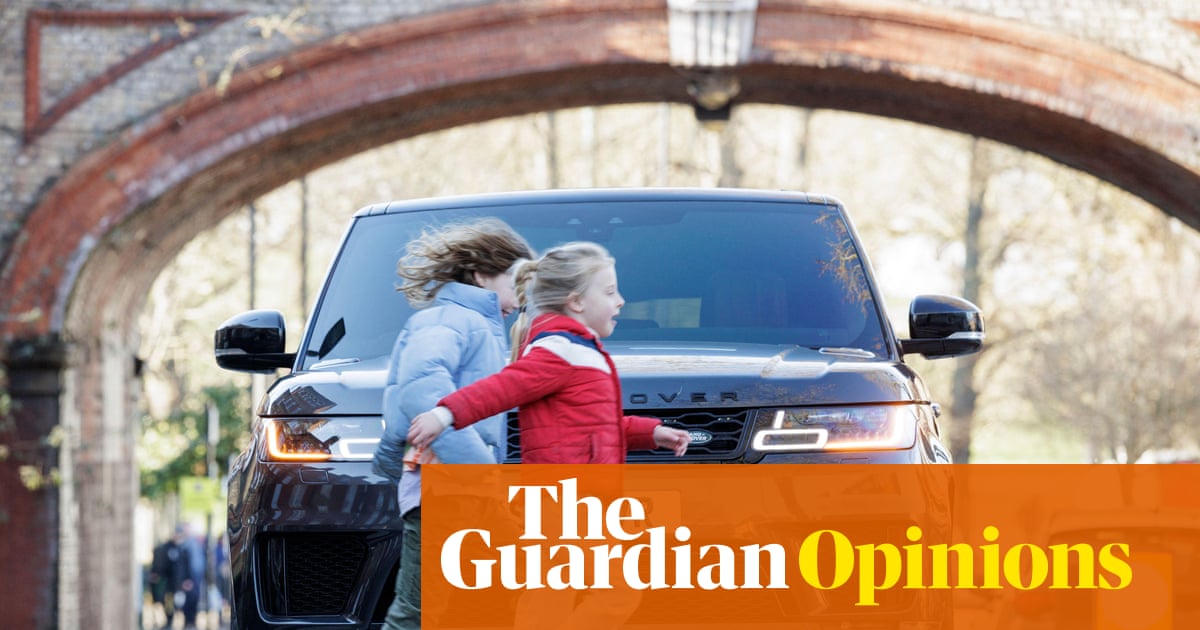
Britain’s cars and SUVs are growing bigger – but there is a way to stop this deadly ‘carspreading’ | Christian Wolmar
Larger vehicles crowd our roads and are far more dangerous to pedestrians. Let’s curb them before they do even more damage, says says transport commentator Christian Wolmar
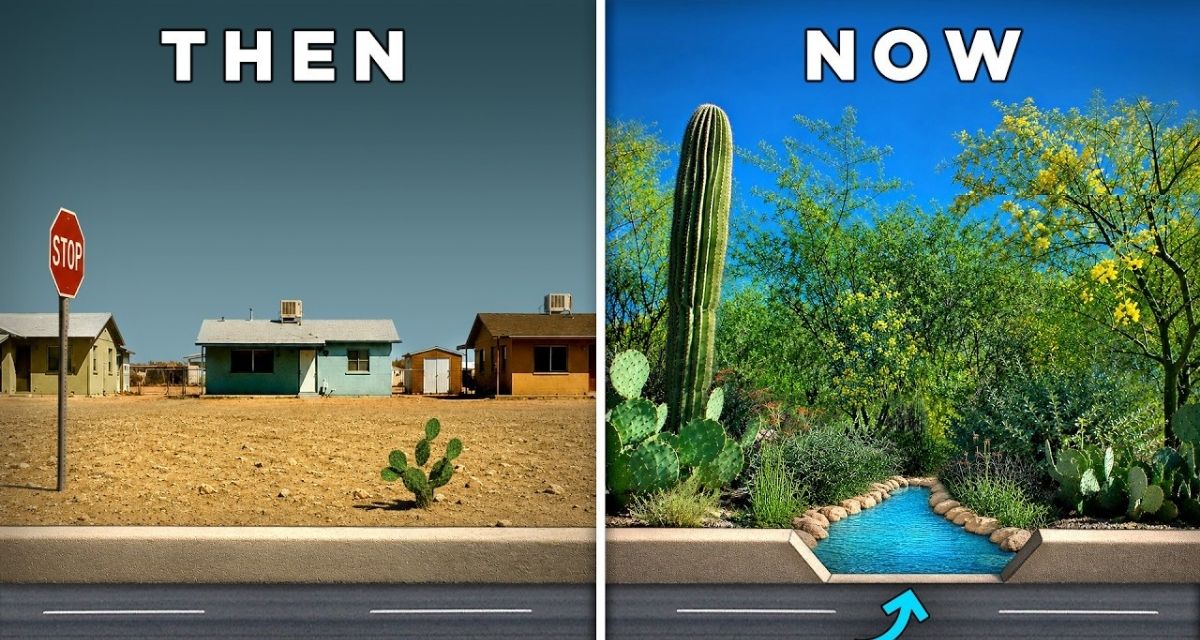
In 1998, a man illegally cut holes in a Tucson street curb. The result changed the law.
He ratted himself out to the city when it was clear his water diversion plan had worked.
Judge slams lawyers for ‘bogus AI-generated research’
The law firms involved must pay $31,000.

The Sky's the Limit — Oakland Public Library
The Sky's the Limit — Pearlman, Lise A., 1949- — The FBI could not help but take notice when militant black leaders converged on Oakland, California, from all across the nation in mid-February 1968 to meet with 10,000 local supporters. It was a fund-raising birthday party for Huey P. Newton, the Black Panther Party's Minister of Defense. For almost a year, the Panther Party's popular biweekly newspaper featured Newton seated on a wicker throne with a rifle in one hand and a shield in the other. Now the empty throne stood in for Newton. The honoree paced back and forth in an isolation cell in the Alameda County Jail just a few miles to the north. Newton was charged with murdering a police officer, wounding another and kidnapping a bystander at gunpoint—all while on parole that prohibited him from even carrying a firearm. Most people gathered in the Oakland Arena on February 17, 1968, expected the twenty-six-year-old, self-proclaimed revolutionary to be convicted and sentenced to death for shooting the officer. Militant Malcolm X disciples joined white radicals and nervous local black community members on common ground—a rally to raise some of the anticipated $100,000 defense costs for the Newton murder trial. His lawyers cultivated grassroots support to prevent the outspoken critic of police brutality from going to the gas chamber. Comrades like Panther spokesman Eldridge Cleaver did not believe the pretrial publicity portraying Newton as a victim, but thought it useful propaganda; while conservative and mainstream newspapers denounced Newton as a cop killer, his militant followers celebrated the shooting death of a racist “pig.” For many of them, his guilt was never in question, but it didn't matter; in fact, some considered the shooting a long-awaited signal from the revolutionary leader. A capacity crowd came to hear SNCC leaders: the incendiary H. Rap Brown, “black power” champion Stokely Carmichael, and organizer James Forman. Though the black separatists mistrusted them, leaders of the white radical Peace and Freedom Party had forged an alliance with the Black Panthers. The theme of the rally was unity; at Forman's insistence, Panther co-founder Bobby Seale had even invited Ron Karenga, the head of the United Slaves (US) gang from Los Angeles, where the Panthers had just opened a second branch. At the gathering, the Panthers and United Slaves held in check their bitter rivalry.The Panthers owed some of their countercultural clout to the fame of ex-felon Eldridge Cleaver, basking in the success of his recently published, best-selling prison essays—Soul on Ice—and his new platform as a journalist for the Leftist political magazine Ramparts. A self-educated Marxist, Cleaver had won parole from prison in December of 1966. By the time Cleaver walked out of Folsom Prison he had committed himself to becoming a professional revolutionary, as he envisioned his idol Che Guevara: “a cold, calculating killing machine, able to slit a throat at the drop of a hat and walk away without looking back.”1 Huey Newton impressed Cleaver at first sight in February of 1967. By daring a San Francisco cop to draw a gun on him in a street confrontation, Newton proved he was no paper Panther. Cleaver dubbed the birthday rally “the biggest line-up of revolutionary leaders that had ever come together under one roof in the history of America.”2 As Air Force veteran James Forman took his turn at the podium near Newton's empty throne, he was similarly inspired. Though Forman had the least militant track record of the SNCC representatives who spoke, he electrified the gathering with his call for retaliation if Newton were executed: “The sky is the limit.”3 This did not sound like empty boasting coming off a year marked by race riots. After two political assassinations that spring and growing unrest over the Viet Nam War, the Newton trial became a cause célèbre for radical groups and anti-war activists. In mid-July, when the proceedings began, one underground newspaper ran a blaring headline proclaiming “Nation's Life at Stake.” The article explained: History has its pivotal points. This trial is one of them. America on Monday placed itself on trial [by prosecuting Huey Newton]. . . The Black Panthers are the most militant black organization in this nation. They are growing rapidly. They are not playing games. And they are but the visible part of a vast, black iceberg. The issue is not the alleged killing of an Oakland cop. The issue is racism. Racism can destroy America in swift flames. Oppression. Revolt. Suppression. Revolution. Determined black and brown and white men are watching what happens to Huey Newton. What they do depends on what the white man's courts do to Huey. Most who watch with the keenest interest are already convinced that he cannot get a fair trial.4 For a full year before the trial began, the FBI's twenty-year-old Counter Intelligence Program (COINTELPRO) began to focus on black radical gangs and various ways to eliminate them. By the summer of 1968, COINTELPRO was bent on destroying the Black Panther Party, but the threat of government persecution could not stop the Panthers from ramping up their rhetoric. Taking his cue from the inflammatory rhetoric of both Newton and SNCC leaders, “El Rage” Cleaver challenged the government to instigate a second American revolution. In early July of 1968, the Panther spokesman held a press conference in New York City predicting open warfare in the streets of California if Huey Newton were sentenced to death. Cleaver expected the carnage to spread across country. The day Newton testified on his own behalf, crowds started lining up before dawn and broke the courthouse doors as they pushed against each other, vying for access. Governor Reagan took keen interest in the proceedings from Sacramento, while J. Edgar Hoover elevated the Panthers to the number one internal threat to the country's security. Following Newton's trial, Panther Party co-founder Bobby Seale faced conspiracy charges accusing him of a leadership role in the battle between Chicago police and demonstrators that had exploded onto the floor of the 1968 Democratic Convention. Soon far more serious allegations confronted Seale. He was extradited to New Haven, Connecticut, for allegedly ordering the torture and murder of Alex Rackley, a suspected government plant in the local Panther office. By 1969, the FBI was targeting members of the Panther Party in nearly eighty percent of 295 authorized “Black Nationalist” COINTELPRO missions nationwide. Among these raids was a widely condemned, predawn invasion in December of 1969 by plain clothes policemen who stormed the apartment of charismatic young Panther leader Fred Hampton. The police riddled Hampton's front door with bullets and killed the twenty-one-year-old community organizer as he lay in bed. The largely white anarchist Weathermen retaliated by bombing police cars. To far greater political effect, 5,000 people gathered in Chicago from across the nation to attend Hampton's funeral. Reverends Ralph Abernathy and Jesse Jackson led the eulogies. Jackson proclaimed, “When Fred was shot in Chicago, black people in particular, and decent people in general, bled everywhere.”5 Just six months before his death, Hampton had negotiated a truce among the city's rival gangs, the first “rainbow coalition” that Jackson would later popularize in his own 1984 historic campaign for the presidency. As reporters revealed cover-ups and discrepancies in the police account of the Hampton apartment raid, the Panthers and their outraged supporters launched a public relations campaign decrying governmental persecution and demanded a probe into COINTELPRO. In April of 1970, tens of thousands of demonstrators descended on New Haven, Connecticut, from across the country to protest Seale's upcoming trial. The instigators were Youth International Party (“Yippie”) leaders Abbie Hoffman and Jerry Rubin, joined by other “Chicago Seven” defendants. They wanted to show solidarity with Seale, who was the eighth co-defendant in their highly publicized Chicago conspiracy trial until Judge Julius Hoffman ordered Seale bound and gagged for backtalk and severed his prosecution from the others. In response to the Yippie-led pilgrimage to New Haven, President Nixon mobilized armed National Guardsmen from as far away as Virginia, who came prepared to spray tear gas on demonstrators and students alike. Yale's President Kingman Brewster sized up the impending confrontation and decided to shut down the Ivy League University for a week to let students and professors who were so inclined to take part in voluntary teach-ins. In comments to the faculty that were quickly leaked to the press, Brewster created a storm of controversy that instantly put the Mayflower Pilgrim descendant on President Nixon's growing “Enemies List.” Angry editorials throughout the nation reinforced Vice President Agnew's demand that Brewster resign for daring to say that “I am appalled and ashamed that things should have come to such a pass in this country that I am skeptical of the ability of black revolutionaries to achieve a fair trial anywhere in the United States.”6 Yet Brewster, and those who rallied to his defense, echoed what Yale Law School's dean had noted eight years earlier, “The quality of a civilization is largely determined by the fairness of its criminal trials . . .”7 So was Brewster's skepticism justified? Under intense pressure, an effort by a trial judge, prosecutor, and jury to provide a fair trial to a black revolutionary had in fact been undertaken in the summer of 1968. As Newton's lead lawyer Charles Garry questioned his final witnesses, the feisty Leftist knew that most of the packed courtroom had just seen shocking video footage of Mayor Daley's police force in Chicago cracking heads of both demonstrators and mainstream reporters during the Democratic Convention. Garry referred to the Chicago debacle in his highly emotional closing argument as another exa9781845646202\\Comprised of the papers presented at the eighth, and latest, International Conference Simulation in Risk Analysis and Hazard Mitigation, this book covers a topic of increasing importance. Scientific knowledge is essential to our better understanding of risk. Natural hazards such as floods, earthquakes, landslides, fires and others, have always affected human societies. Man-made hazards, however, played a comparatively small role until the industrial revolution when the risk of catastrophic events started to increase due to the rapid growth of new technologies and the urbanisation of populations. The interaction of natural and anthropogenic risks adds to the complexity of the problem.<br/>Anyone fascinated by true crime and legal thrillers will want to read The Sky's The Limit: People v. Newton, The Real Trial of the 20th Century? In comparing the 1968 trial of Black Panther Party leader Huey Newton to other riveting American trials from 1901 to 1999, author Lise Pearlman revisits historic legal battles featuring murder, rape and kidnapping, skeletons in celebrity closets, class warfare, fixing the World Series, evolution versus creationism, abuse of power and political conspiracy. Each “trial of the century” serves as a window into its own era, but the author asserts that the Newton murder trial following a shootout with two Oakland policemen-—where the accused revolutionary put America itself on trial for 400 years of racism—should head the list. It drew an international spotlight on a superpower rocked by two political assassinations and bitterly divided over the Viet Nam War and the Civil Rights Movement. At the time, the FBI considered the Black Panthers the greatest internal threat to America's security. So did Party spokesman Eldridge Cleaver, who threatened revolution if Newton were condemned to die. The author contends that the jury's surprising verdict still reverberates today—had it turned out otherwise Barack Obama would likely not be President.<br/>This comprehensive volume examines the impact of important 20th century criminal trials on American history and culture. The work begins with a discussion of sixteen important legal cases from 1901 to 1967, each at one time considered "the trial of the century," and explores the cultural and political impacts of each in depth. The second part of the work provides a detailed analysis of the 1968 murder trial of Black Panther co-founder Huey P. Newton and its significance to the nation. The third part of the book discusses competing "trials of the century" from 1968 to 1999. The text concludes with a discussion of the racial impacts of the Panther prosecutions and the developments in the politics of race that have led now to the election of the nation's first black president. Pearlman is a retired a judge and prominent California lawyer and legal scholar. Annotation ©2012 Book News, Inc., Portland, OR (booknews.com)
The woman has unfortunately died after being run over by another woman backing her car out of a parking spot. Cars are unsafe at any speed.

Woman dies after being hit by vehicle in Iwilei parking lot
www.hawaiinewsnow.comcars are bad for humans

equity, mental, social, health issues caused by cars and car infra. #fuckcars
Killing someone with a car costs $1.6 million. California requires drivers to carry $30,000
Paying for driving
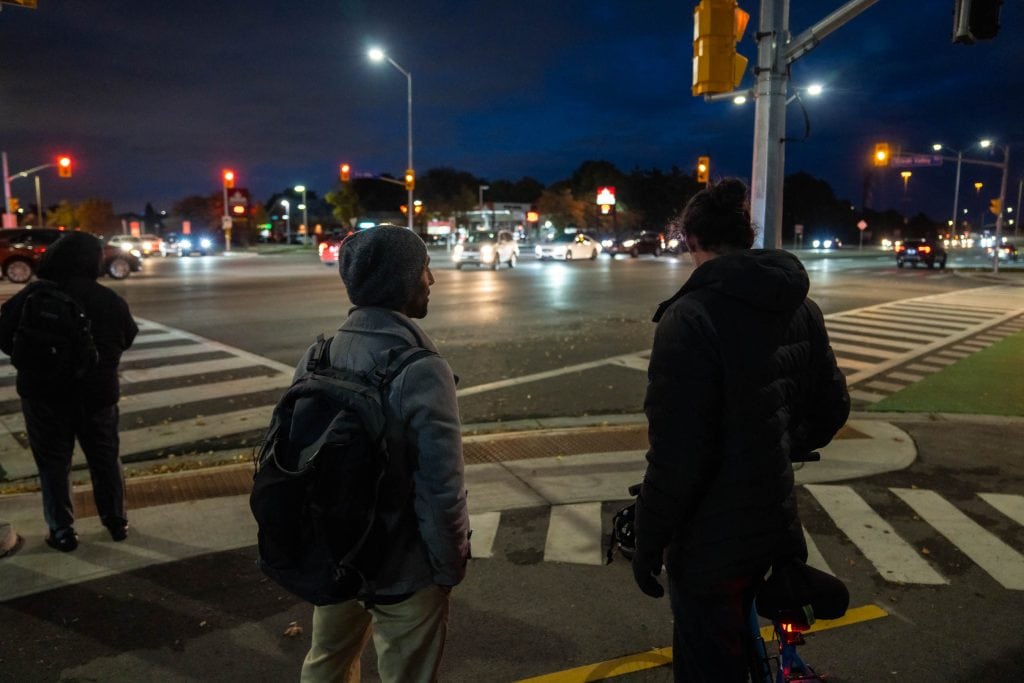
Will Canada’s gas tax holiday drive up emissions and help the rich? | The Narwhal

Transit push in Montreal could generate more GDP than vehicular focus: study - Montreal | Globalnews.ca
Every Right On Red Frays The Social Contract A Little Further | Defector
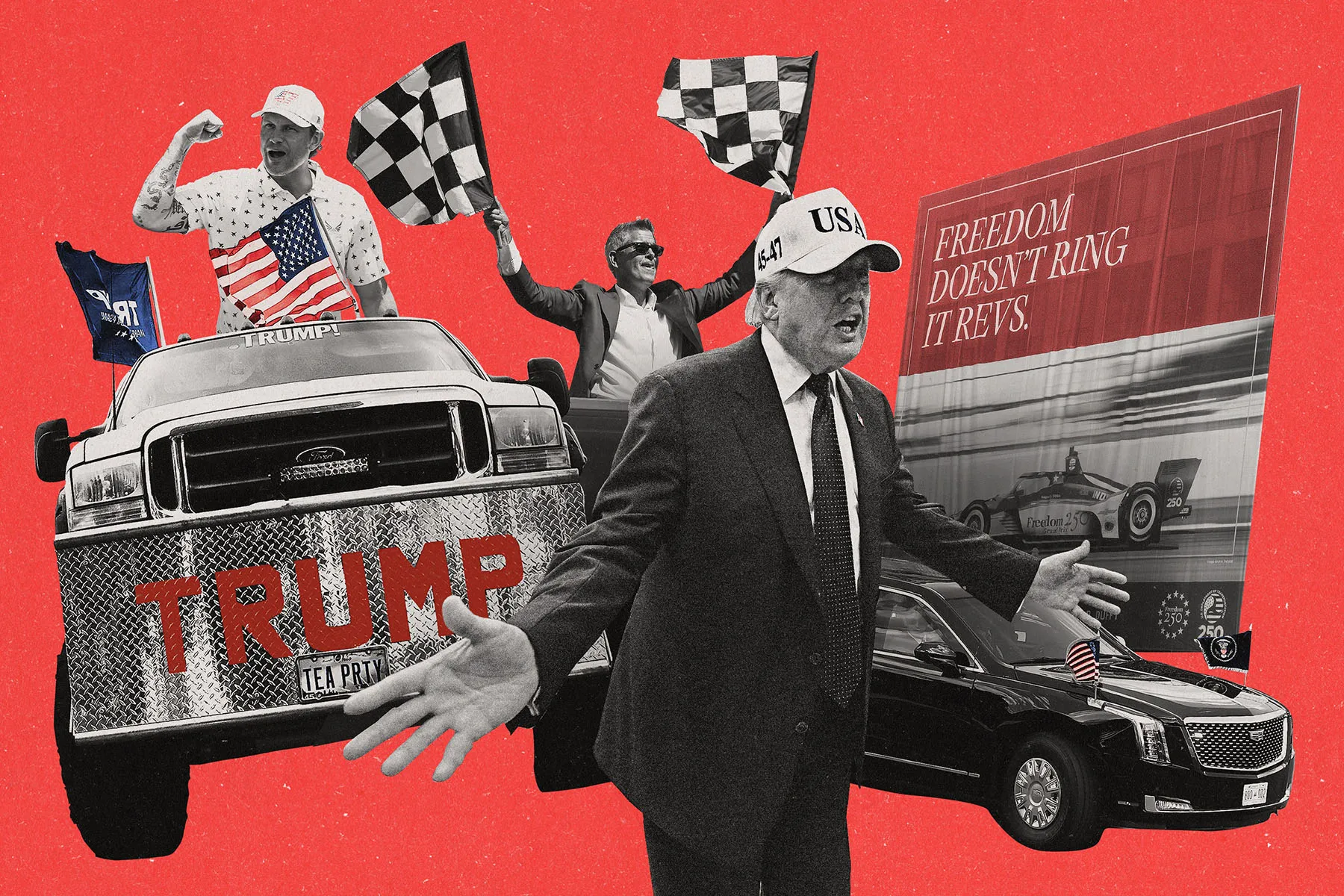
Real men don't bike: How cars became the symbol of American manhood
