

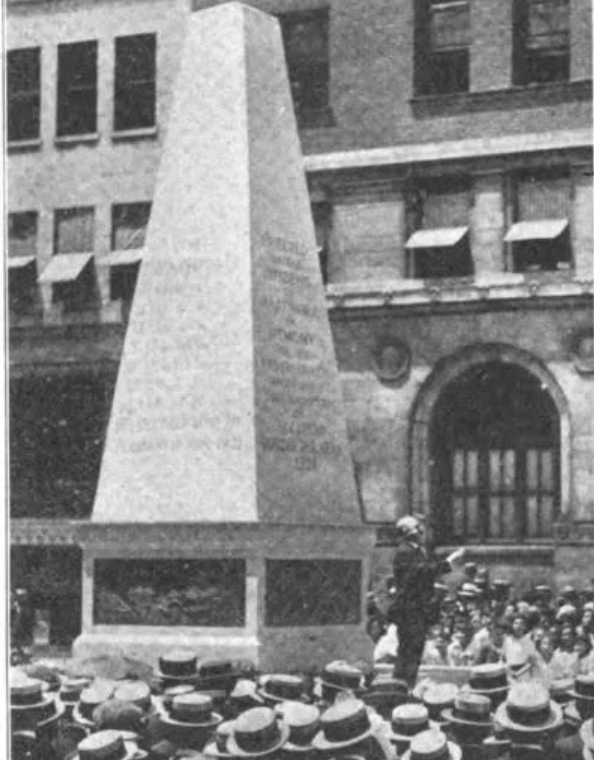
NHTSA puts the average economic cost of a traffic fatality at $1.6 million. California requires a driver to carry $30,000 in bodily injury coverage, and everyone who was not in the crash pays the rest.
Paying for driving
Drivers in the US pay about half of what their driving costs. The rest comes to $2.15 trillion a year.

Americans’ love affair with big cars is killing them
New analysis shows that the heaviest vehicles kill more people than they save in crashes

Speed Safety System | Los Angeles Department of Transportation
This pilot program will install 125 speed safety systems across the City of Los Angeles to help reduce excessive speeding, save lives, and improve street safety by encouraging safer driving behavior. Utilizing data and community stakeholder input from racial equity, civil liberties, and economic justice organizations – systems will be installed across the city where speeding and crashes happen most often and where children, seniors, and other vulnerable people are concentrated.
The Deadly Rise of Giant Trucks and S.U.V.s
The vehicles on American roads have grown larger — and they are killing thousands more pedestrians, a Times investigation found.

Car ownership costs an average of $5,851 a year on top of auto loan payments, analysis finds
The cost of insurance, gas, and maintenance or repairs can add thousands of dollars a year to the price of owning a car.

$1,000 Hepatitis Pill Shows Why Fixing Health Costs Is So Hard (Published 2014)
Critics have raised an outcry over Sovaldi, a hepatitis C drug heralded as a breakthrough but costing $84,000 for a typical person’s total treatment.

The Modern Moloch
On the streets of early 20th-century America, nothing moved faster than 10 miles per hour. Responsible parents would tell their children, “Go outside and play in the streets,” all day. And then the automobile happened. And then automobiles began killing thousands of children, every year. Much of the public viewed the car as a death machine.
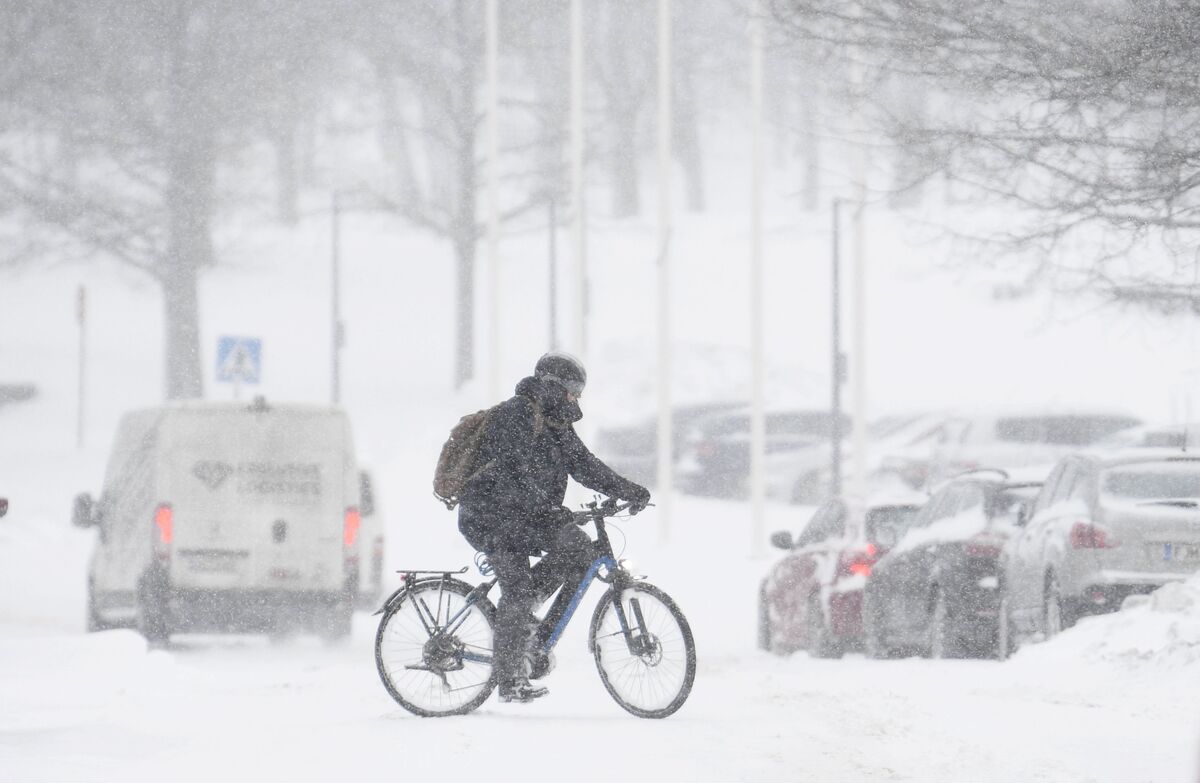
Helsinki, Finland's Amazing Traffic Safety Record, Explained
The Nordic nation’s rate of vehicle fatalities is a fraction of the toll in the US, despite a harsh climate and ice-covered streets. Here’s how the Finns do traffic safety.
A Driver’s Suicide Reveals the Dark Side of the Gig Economy (Published 2018)
A livery driver facing financial ruin killed himself in front of City Hall to protest the financial devastation wrought by ride hailing services like Uber.

The Universal Pursuit of Safety and the Demand for (Lethal, Non-Lethal or No) Guns - Social Economics Lab
Personal lethal firearm ownership has for several decades been a hot button political issue in the United States. This article aims to explore the motivations and beliefs underlying sharply different views on the subject through an original large-scale survey of lethal firearm owners (LFAO) and non-owners and experimental information interventions. We start by documenting several facts: First, LFAO and non-owners appear to be driven by a common objective---to be safe. Both groups list protection of family or self as the top rationale for owning or potentially acquiring a lethal firearm (LFA). Second, among non-owners, there are those who are interested in purchasing a lethal firearm (NO-I) and those who are not (NO-UI). NO-I feel the least safe in their daily lives. Third, there are differences in emotional responses to possession of a LFA. LFAO report feeling unsafe and less confident if they did not own the product whereas NO-U report similar feelings if they did own it. Fourth, LFAO are much less concerned about the possibility of personal and social costs associated with lethal firearm possession, a finding heightened across partisan lines. Taken together, these facts motivate three experimental treatments that randomly provide respondents with information on either (1) the personal legal and medical risks of ownership or (2) a non-lethal firearm (NLFA), provided with or without a conservative pundit's endorsement. The first treatment increases concerns about harms associated with lethal firearm ownership among all respondents, but these results are generally short-lived and do not affect policy views. The second treatment, however, increases respondents' willingness to pay for a NLFA and their self-reported preference for firearms that incapacitate but do not kill. Moreover, these treatment effects are more persistent than those of the cost treatment, especially when coupled with an endorsement, and affect the support of policies aimed at encouraging NLFA. Importantly, we do not find that exposure to information on NLFA makes current owners want to give up their (lethal) guns. We interpret these findings through an organizing framework in which every household has a demand for safety but differs in how they use firearms or other tools to produce it, due to different perceptions of the safety possibilities frontier (SPF, views about the least harmful ways to achieve protection benefits) or different preferences and incentives influencing the tradeoff over protective benefits vs. harms. Our results suggest that a substantial share of LFAO perceive the SPF differently than non-owners, and that there is a potential demand for less-lethal tools to be and feel safe.

Write As If You’re Already Dead.
It was Saturday night, and I was stuck in traffic. Both sides of the freeway were tightly packed with cars — if Los Angeles was a literal…

The cost of driving versus using a bike and transit (or: how to save over $7,000 a year)
I thought it would be fun to find out: how much money did I save in 2025 by cycling and using transit compared to using a car as my primary way of getting around?
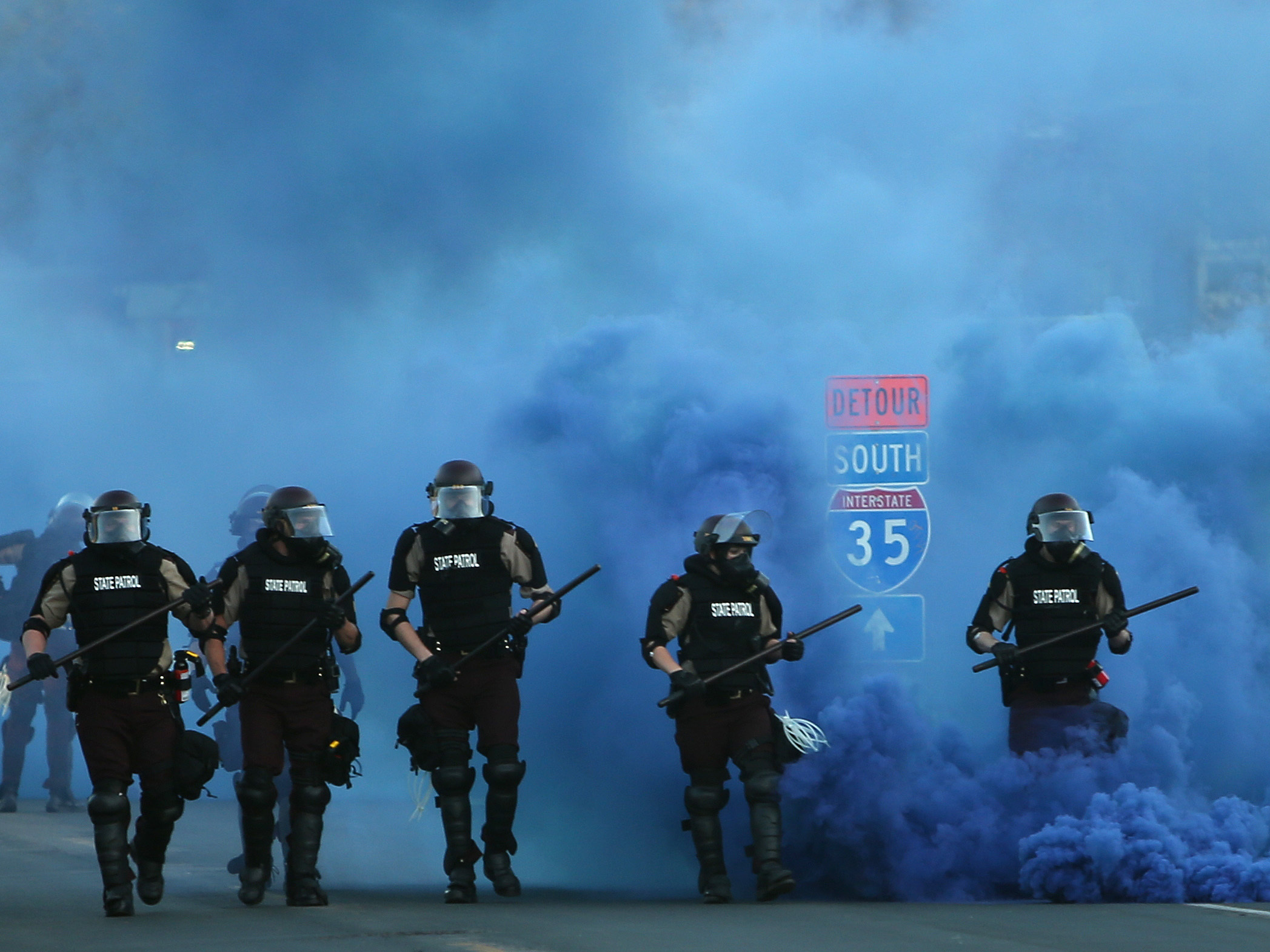
What Tear Gas and Rubber Bullets Do to the Human Body
So-called “less-lethal” weapons like those that have been used against demonstrators in Los Angeles can cause severe, lasting harm like nerve or brain damage or blindness. They can also kill.

Fatal Distraction: Forgetting a Child in the Backseat of a Car Is a H…
archived 10 Jul 2025 23:27:06 UTC

How Much Do We Need The Police?
For many Americans, it goes without saying that the police help maintain public safety. But many others — especially black Americans — see the police as more of a threat than a protective force.
The woman has unfortunately died after being run over by another woman backing her car out of a parking spot. Cars are unsafe at any speed.

Woman dies after being hit by vehicle in Iwilei parking lot
www.hawaiinewsnow.com