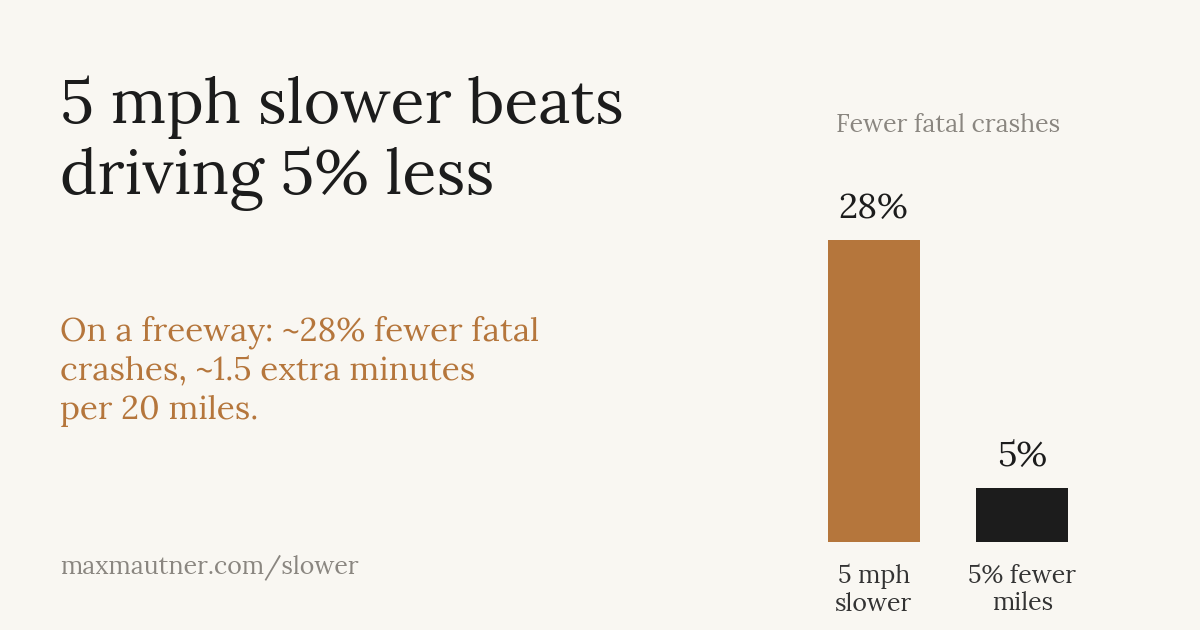
Driving 5 mph slower prevents far more deadly crashes than driving 5% less. On a 20-mile freeway trip, it adds ~1.5 minutes.
The years Americans outlive driving
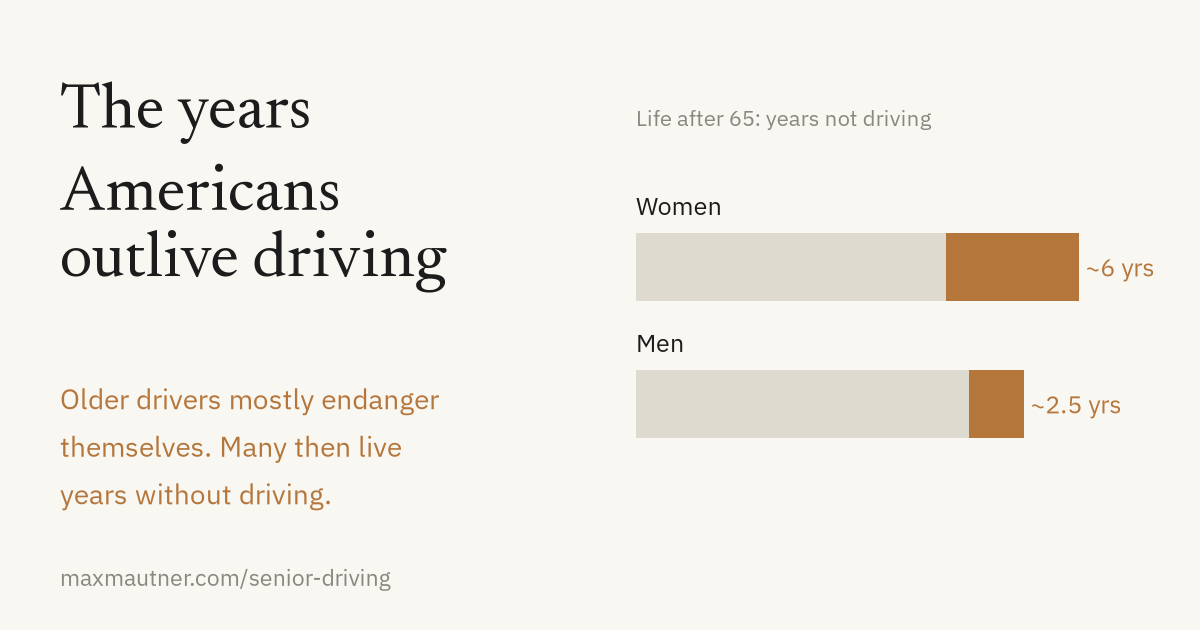
Per mile, drivers 75 and older are in fatal crashes as often as drivers under 25, but the people who die are mostly the older drivers themselves. Women can expect ~6 years of life after 65 without driving, men ~2.5.
Speedcam Anywhere
Vehicle exhaust emissions - CO2, PM2.5 and NOx - are highest during acceleration. Microplastic particulates from tire emissions are highest during braking, accelerating and cornering quickly. In urban areas, vehicles accelerate and decelerate repeatedly due to junctions and traffic. Allowing for the emissions when vehicles are accelerating and they typically have the lowest NOx and CO2 emissions, and the best mpg, when driven at maximum speeds of 15-20mph. Particulate Matter (PM2.5) from tyre wear and brake pad wear is a lot higher when decelerating from higher speeds, and also from cornering at higher speeds. Because of the extra emissions during acceleration, NOx and CO2 go up rapidly when driving at higher speeds in urban areas.
Speed Safety System | Los Angeles Department of Transportation
This pilot program will install 125 speed safety systems across the City of Los Angeles to help reduce excessive speeding, save lives, and improve street safety by encouraging safer driving behavior. Utilizing data and community stakeholder input from racial equity, civil liberties, and economic justice organizations – systems will be installed across the city where speeding and crashes happen most often and where children, seniors, and other vulnerable people are concentrated.
Speed: How It Explains the World - Vaclav Smil
In a world that feels like it’s moving faster than ever, Smil examines how our relentless pursuit of speed – in areas such as production, travel and communication – shapes not only our technological landscape but also our social and environmental realities. And through engaging anecdotes and striking statistics, Smil challenges the assumption that faster is always better.

Friction isn't velocity.
When you’re driving a car down a road, you might get a bit stuffy and decide to roll your windows down. The air will flow in, the wind will get louder, and the sensation of moving will intensify. Your engine will start working a bit harder–and louder–to maintain the same speed. Every sensation will tell you that you’re moving faster, but lowering the window has increased your car’s air resistance, and you’re actually going slower. Or at minimum you’re using more fuel to maintain the same speed.

"Cars are parked 95% of the time". Let's check!
"Most people in transportation focus on the five percent of the time that cars are moving. But the average car is parked 95 percent of the ...
Americans’ love affair with big cars is killing them
New analysis shows that the heaviest vehicles kill more people than they save in crashes

Why efficiency is dangerous and slowing down makes life better | Psyche Ideas
The urge to do everything faster and better is risky. Far wiser to do what’s good enough for the range of possible futures

Study Finds Humans Age Faster at 2 Sharp Peaks – Here's When to Expect Them
You're in for a bumpy ride.


Killing someone with a car costs $1.6 million. California requires drivers to carry $30,000
NHTSA puts the average economic cost of a traffic fatality at $1.6 million. California requires a driver to carry $30,000 in bodily injury coverage, and everyone who was not in the crash pays the rest.
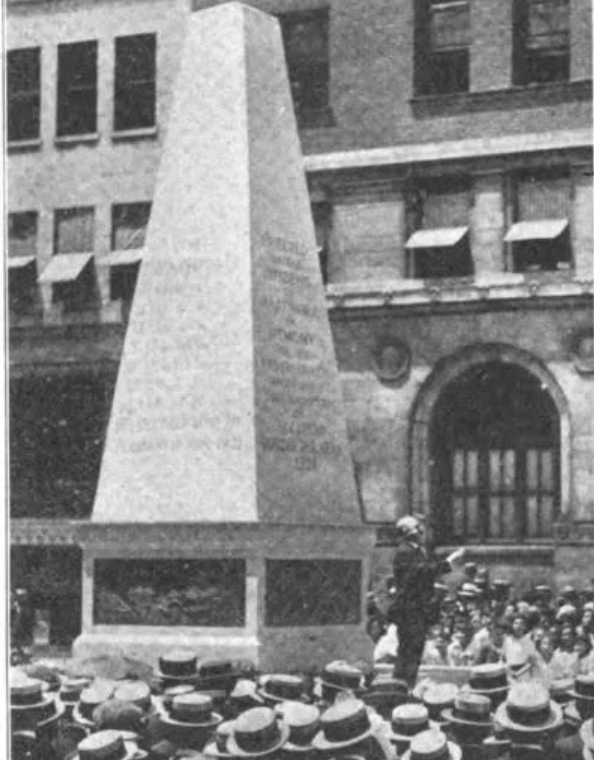
Brett Scott (@brettscott)
Despite all the rhetoric about automation supposedly making our lives easier, the true story being told by Big Tech is that our lives are better when speeded up You are supposed to be in an ever-accelerating race, packing more units of experience into the same unit of time, a phenomenon that requires a contraction of patience and a blurring of experience as everything quickens In the end, this is what ‘convenience’ actually is. It’s a state of being in which you become disassociated and disengaged from the texture of the world around you. You pass through it dreamlike, and suddenly wake up decades years later as an elderly person on your deathbed, thinking “WTF happened”, as then the memory slips away

Overcoming Bias : Tiptoe Or Dash To Future?
To test who should TA elite classes, new physics grad students at U Chicago in ’81 were asked to pick a physics problem and explain its solution to the group. I did well by picking the question: should you walk fast or slow if you want to get the least water on your front while moving a certain distance in the rain. The answer is: move as fast as you can.
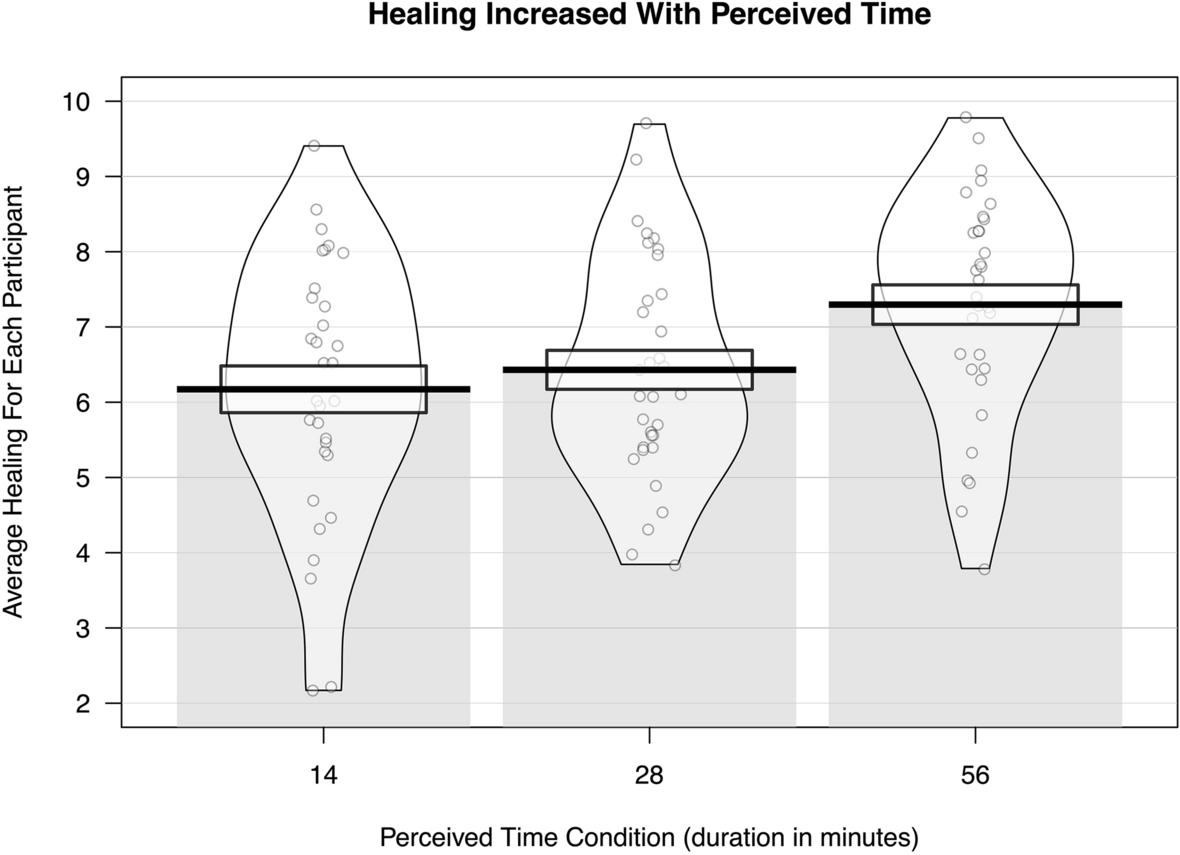
Physical healing as a function of perceived time
In this study we wounded study participants following a standardized procedure and manipulated perceived time to test whether perceived time affected the rate of healing. We measured the amount of healing that occurred across three conditions using a within-subjects design: Slow Time (half as fast as clock time), Normal Time (clock time), and Fast Time (twice as fast as clock time). Based on the theory of mind–body unity—which posits simultaneous and bidirectional influences of mind on body and body on mind—we hypothesized that wounds would heal faster or slower when perceived time was manipulated to be experienced as longer or shorter respectively. Although the actual elapsed time was 28 min in all three conditions, significantly more healing was observed in the Normal Time condition compared to the Slow Time condition, in the Fast Time condition compared to the Normal Time condition, and in the Fast Time condition compared to the Slow Time condition. These results support the hypothesis that the effect of time on physical healing is directly affected by one’s psychological experience of time, independent of the actual elapsed time.
What If We Kept Our Cars Parked for Trips Less Than One Mile? | US EPA
Thought starter about walking or biking for trips less than one mile.

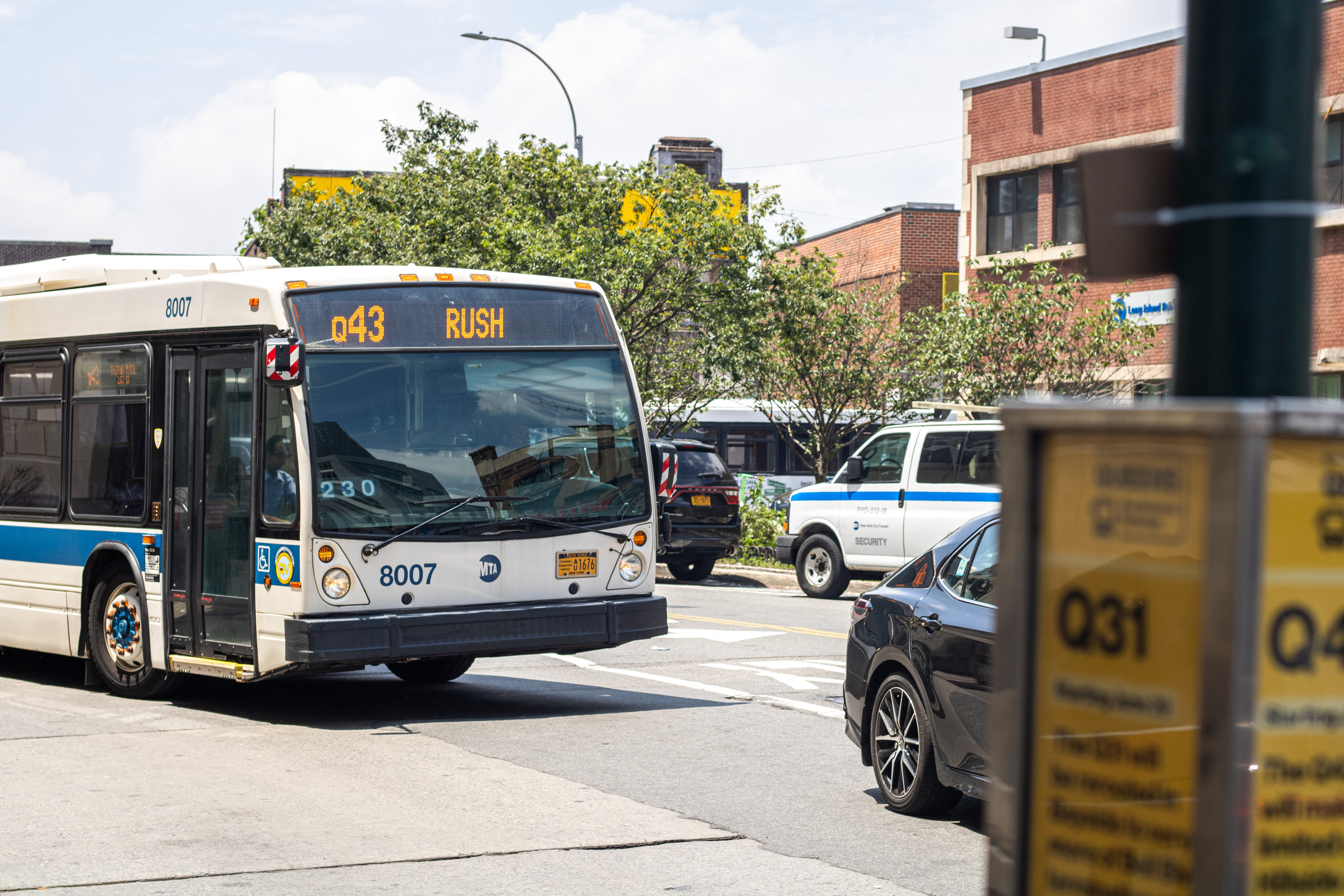
Wheels Up: City Bus Speeds Hit Four-Year High Under Mayor Mamdani - Streetsblog New York City
Citywide bus speeds hit 8.5 mph in August, which is the quickest buses have moved through the city in four years