

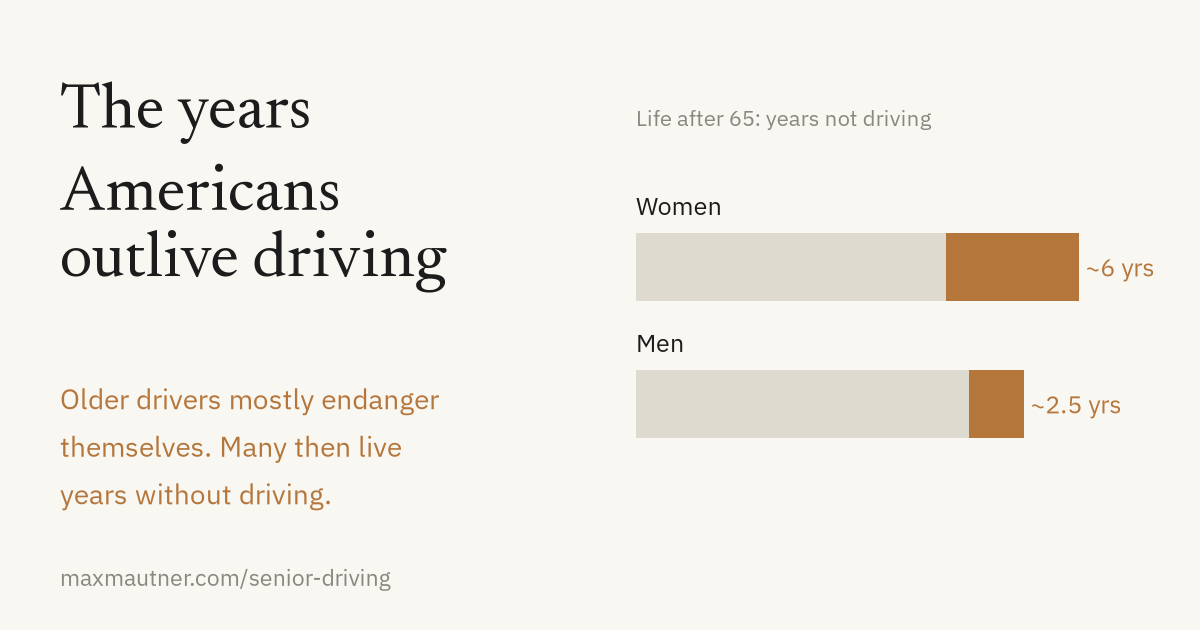
Per mile, drivers 75 and older are in fatal crashes as often as drivers under 25, but the people who die are mostly the older drivers themselves. Women can expect ~6 years of life after 65 without driving, men ~2.5.
The Global Decline in the Mental Health of the Young
One of the major findings in wellbeing research until recently was that happiness was U-shaped by age and unhappiness hump-shaped by age. There was a midlife crisis — a finding reported in well over 600 published papers using data on 145 countries. It was present in both developing and developed countries. And it was persistent over time. The finding of a peak in ill-being in midlife was consistent with Anne Case and Angus Deaton’s work on mortality and the so-called “deaths of despair.”1 In the US in particular and to a lesser extent in other countries, White prime-aged individuals without a college degree had high death rates from suicide, drug overdoses, and cirrhosis of the liver. Drug overdose deaths in the US, for example, peaked at midlife ages. In 2023, the Centers for Disease Control and Prevention (CDC) reported that overdose death rates per 100,000 by age rose from 13.5 for 15-to-24-year-olds to 45.6 for 25-to-34-year-olds and 60.8 for 35-to-44-year-olds, and then declined to 53.3 for 45-to-54-year-olds, 49.2 for 55-to-64-year-olds, and 14.7 for those over the age of 65.2 The morbidity data matched the mortality data.

Study Finds Humans Age Faster at 2 Sharp Peaks – Here's When to Expect Them
You're in for a bumpy ride.

Why Do Americans Have Shorter Life Expectancy and Worse Health Than Do People in Other High-Income Countries?
Americans lead shorter and less healthy lives than do people in other high-income countries. We review the evidence and explanations for these variations in longevity and health. Our overview suggests that the US health disadvantage applies to multiple mortality and morbidity outcomes. The American health disadvantage begins at birth and extends across the life course, and it is particularly marked for American women and for regions in the US South and Midwest. Proposed explanations include differences in health care, individual behaviors, socioeconomic inequalities, and the built physical environment. Although these factors may contribute to poorer health in America, a focus on proximal causes fails to adequately account for the ubiquity of the US health disadvantage across the life course. We discuss the role of specific public policies and conclude that while multiple causes are implicated, crucial differences in social policy might underlie an important part of the US health disadvantage.

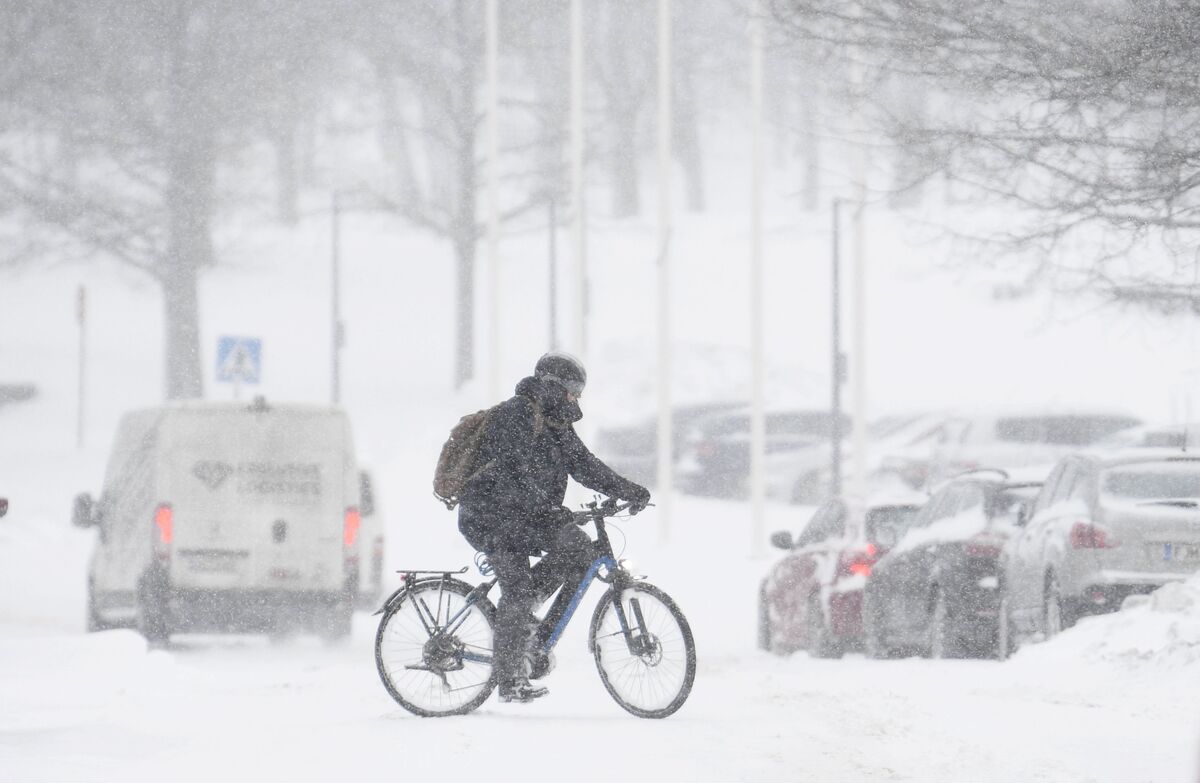
Helsinki, Finland's Amazing Traffic Safety Record, Explained
The Nordic nation’s rate of vehicle fatalities is a fraction of the toll in the US, despite a harsh climate and ice-covered streets. Here’s how the Finns do traffic safety.
Americans’ love affair with big cars is killing them
New analysis shows that the heaviest vehicles kill more people than they save in crashes

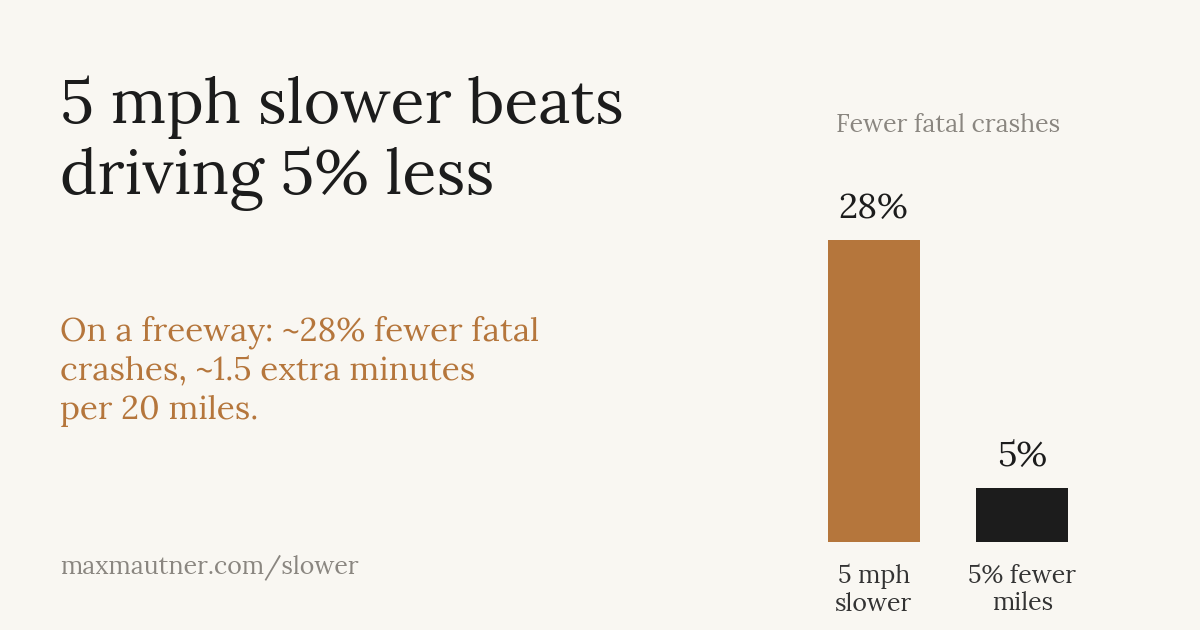
Driving 5 mph slower beats driving 5% less
Driving 5 mph slower prevents far more deadly crashes than driving 5% less. On a 20-mile freeway trip, it adds ~1.5 minutes.
How Health Disparities Develop over the Lifecycle
In the Netherlands, there are striking socioeconomic differences in mortality among older adults, with a 4.4 percentage point (67 percent) higher five-year mortality rate for 70-year-old individuals with below-median income than for those with above-median income. To better understand the role of chronic disease in these health disparities, Kaveh Danesh, Jonathan T. Kolstad, William D. Parker, and Johannes Spinnewijn develop an index of chronic disease burden in The Chronic Disease Index: Analyzing Health Inequalities over the Lifecycle (NBER Working Paper 32577). This index is a measure of health status that can be measured earlier in life and shows how chronic health evolves with age and differs across income groups.
The Modern Moloch
On the streets of early 20th-century America, nothing moved faster than 10 miles per hour. Responsible parents would tell their children, “Go outside and play in the streets,” all day. And then the automobile happened. And then automobiles began killing thousands of children, every year. Much of the public viewed the car as a death machine.
Does adolescence really last until age 32?
Those “turning points” in brain aging aren’t quite what you think

Women at Risk: Economic Inequalities in the Age of AI - TWF
As we come to the end of 2024, we are humbled by the impact we have been able to make together to improve the lives of […]

If you think your profession is dying, it could soon be gone
Younger workers once foresaw the demise of horse-drawn carriages — but anticipating obsolescence can be self-fulfilling

Paying for driving
Drivers in the US pay about half of what their driving costs. The rest comes to $2.15 trillion a year.

438 Experts Said Age Verification Is Dangerous. Legislators Are Moving Forward With It Anyway. - Above the Law
From the seems-like-someone-should-pay-attention? dept

Men not at work: Why so many men aged 25 to 54 are not working | Brookings
The job market is a whole lot better than it was during the worst of the Great Recession, but around 7 million American men between the ages of 25 and 54 – mostly too old to be in school and too young to retire – are neither working nor looking for work. That amounts to […]

Use it or lose it: How cognitive skills change with age
Cognitive skills are commonly assumed to begin deteriorating from the age of 30, which could pose a significant challenge for rapidly ageing populations. But this assumption relies largely on cross-sectional data that cannot distinguish between ageing patterns and cohort differences. Using German longitudinal data, this column finds that skills, on average, increase markedly into one’s 40s before decreasing slightly in literacy and more severely in numeracy. In addition, skills decline at older ages only for those with below-average skill usage, outlining a clear policy pathway for avoiding skill declines.

The woman has unfortunately died after being run over by another woman backing her car out of a parking spot. Cars are unsafe at any speed.

Woman dies after being hit by vehicle in Iwilei parking lot
www.hawaiinewsnow.com