


The danger of accepting an industry's terms for itself
Facebook faces a reputational meltdown
This is how it, and the wider industry, should respond

Criticism of Facebook
Facebook (and parent company Meta Platforms) has been the subject of criticism and legal action since it was founded in 2004.[1] Criticisms include the outsize influence Facebook has on the lives and health of its users and employees, as well as Facebook's influence on the way media, specifically news, is reported and distributed. Notable issues include Internet privacy, such as use of a widespread "like" button on third-party websites tracking users,[2][3] possible indefinite records of user information,[4] automatic facial recognition software,[5][6] and its role in the workplace, including employer-employee account disclosure.[7] The use of Facebook can have negative psychological and physiological effects[8] that include feelings of sexual jealousy,[9][10] stress,[11][12] lack of attention,[13] and social media addiction that in some cases is comparable to drug addiction.[14][15]
How to Fix Facebook—Before It Fixes Us
An early investor explains why the social media platform’s business model is such a threat—and what to do about it.

One Response to the Cambridge Analytica Scandal: Block Facebook's
With Facebook in a dominant position in hosting a huge portion of the world’s social conversation, we’ve been worried about the incredible power the company has accumulated and the risks that poses

On Social Media and Its Discontents - Cal Newport
Split Reactions As someone who has publicly criticized the major social media platforms for years, I’ve become familiar with the common arguments surrounding this topic. ... Read more

Criticism of X (social network)
X, formerly known as Twitter, has faced various criticisms over the years, particularly concerning content moderation, censorship, and platform management.
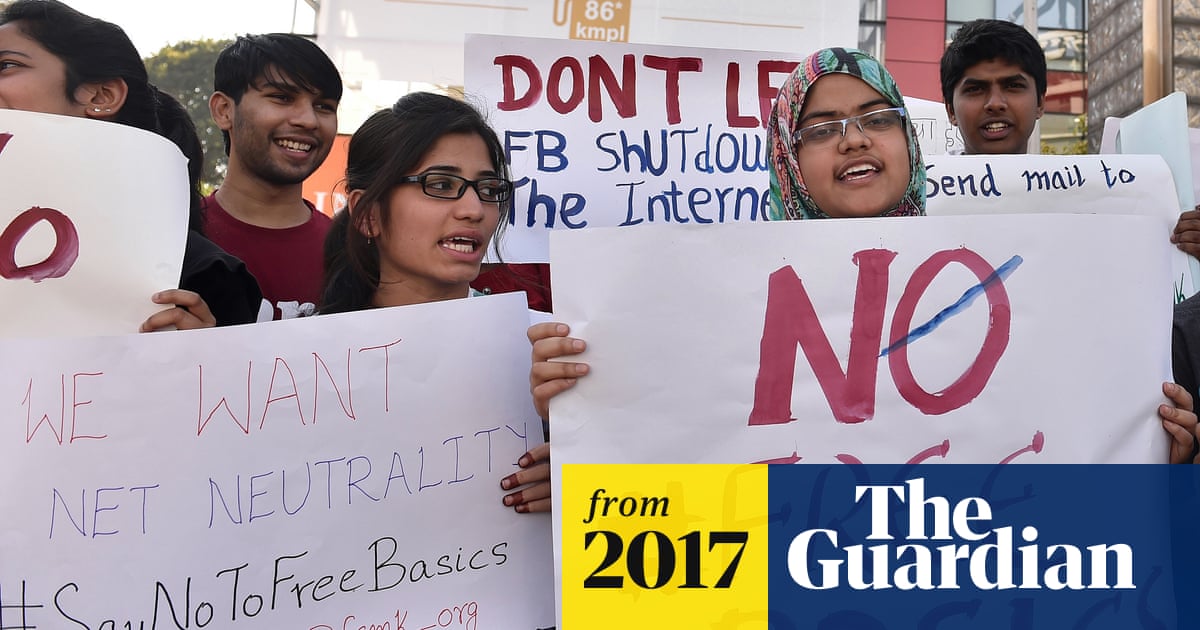
'It's digital colonialism': how Facebook's free internet service has failed its users
Free Basics, built for developing markets, focuses on ‘western corporate content’ and violates net neutrality principles, researchers say
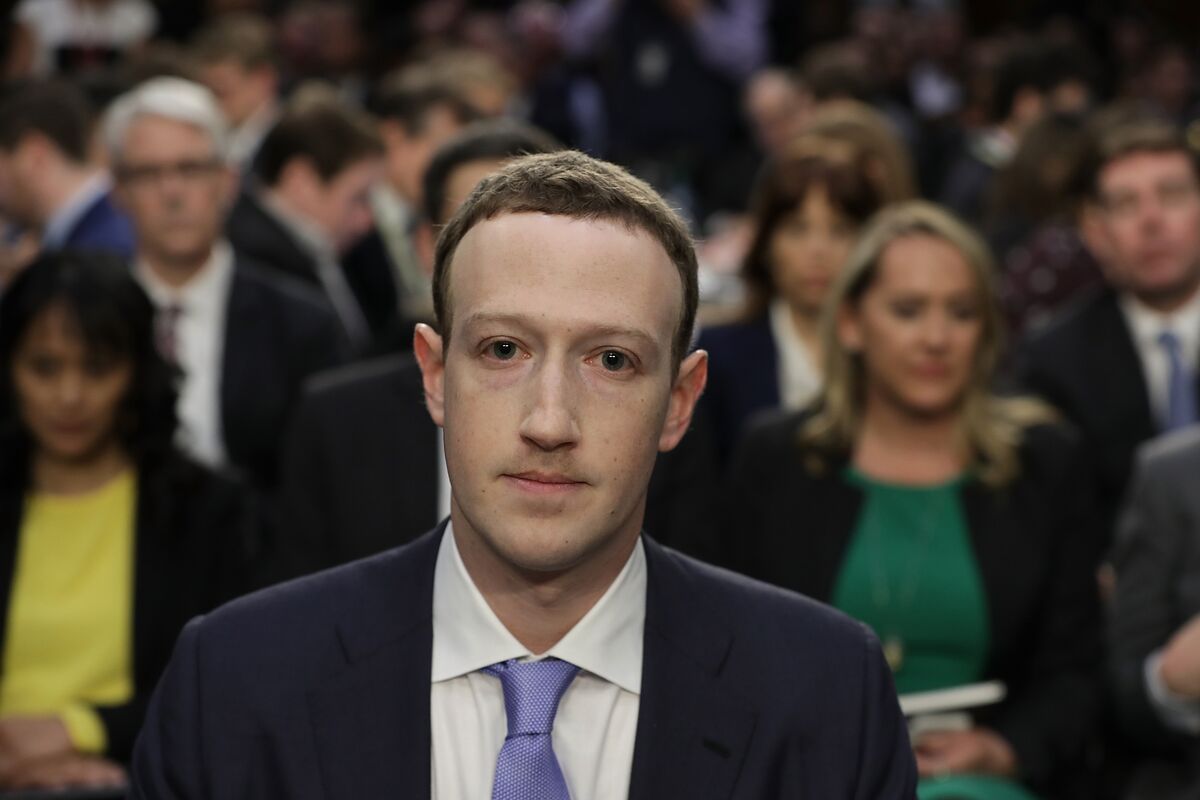
Zuckerberg Op-Ed: New Rules Would Hurt Everyone But Facebook
The social network has the right to air its views on tech regulation — but the public would be wise to ask questions.
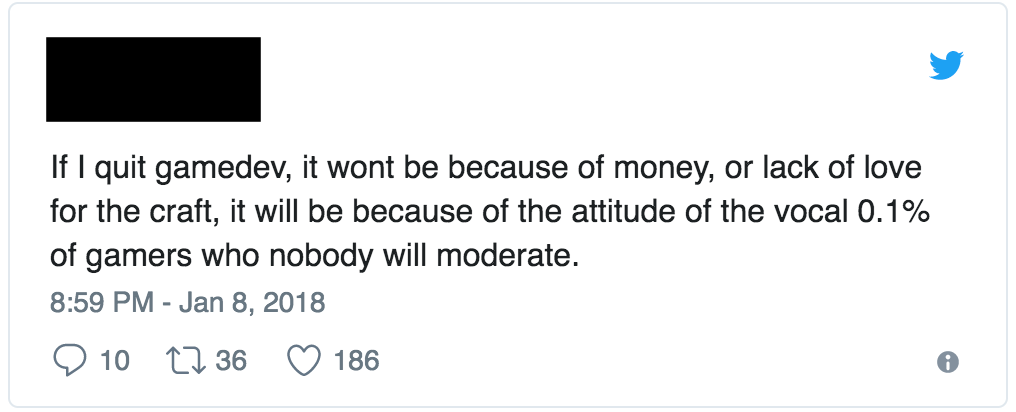
The topic every game dev is talking about behind closed doors : The cost of doing business
Content warning : I’ve embedded some tweets to various developers that show the sorts of comments that they receive every day. There’s some…
“Men Are Scum”: Inside Facebook’s War on Hate Speech
The company blew it on privacy and fake news. Can it do better against trolls and racists? An exclusive embed with Facebook’s shadow government.

The Truth About Social Media as an "Advertising Industry," Bluesky's Gamble, and "Reclaiming Conversation" - Nightflight
Trust and Faith in Our Web
I’m not Brennan, but I’m very interested in decentralization and a fan of AtProto specifically, so I’d like to weigh in. First I should mention I’ve personally never been able to get into microblogging, so I haven’t touched bluesky myself, despite having an account for ATProto reasons. But I agree it’s concerning that the company chooses to continue to host the content of harmful individuals and calling that act “neutral”. I’m certainly against the idea of the “marketplace of ideas” as it’s cle...

Ingmar Rentzhog (@ingmar.wsocial.eu)
Criticism and scrutiny are welcome. But why so much hostility? Why assume the worst about our motives? I honestly don’t understand. If we share the goal of better social media, let’s talk about how to get there.

Censorship by Facebook
Facebook has been involved in multiple controversies involving censorship of content, removing or omitting information from its services in order to comply with company policies, legal demands, and government censorship laws.

Unpopular take (mostly self-criticism): we need to stop waisting our time rebuilding incumbent social media apps on #atproto This will only convert a fraction of the users this ecosystem needs. We need to build new, interoperable experiences.
I'm excited to finally have a preprint of this paper up, a few years in the making. In it we argue that industry-driven manipulation of social media research is well underway and that norms and institutions in the field are ill-prepared to resist tech's influence. arxiv.org/abs/2510.19894

