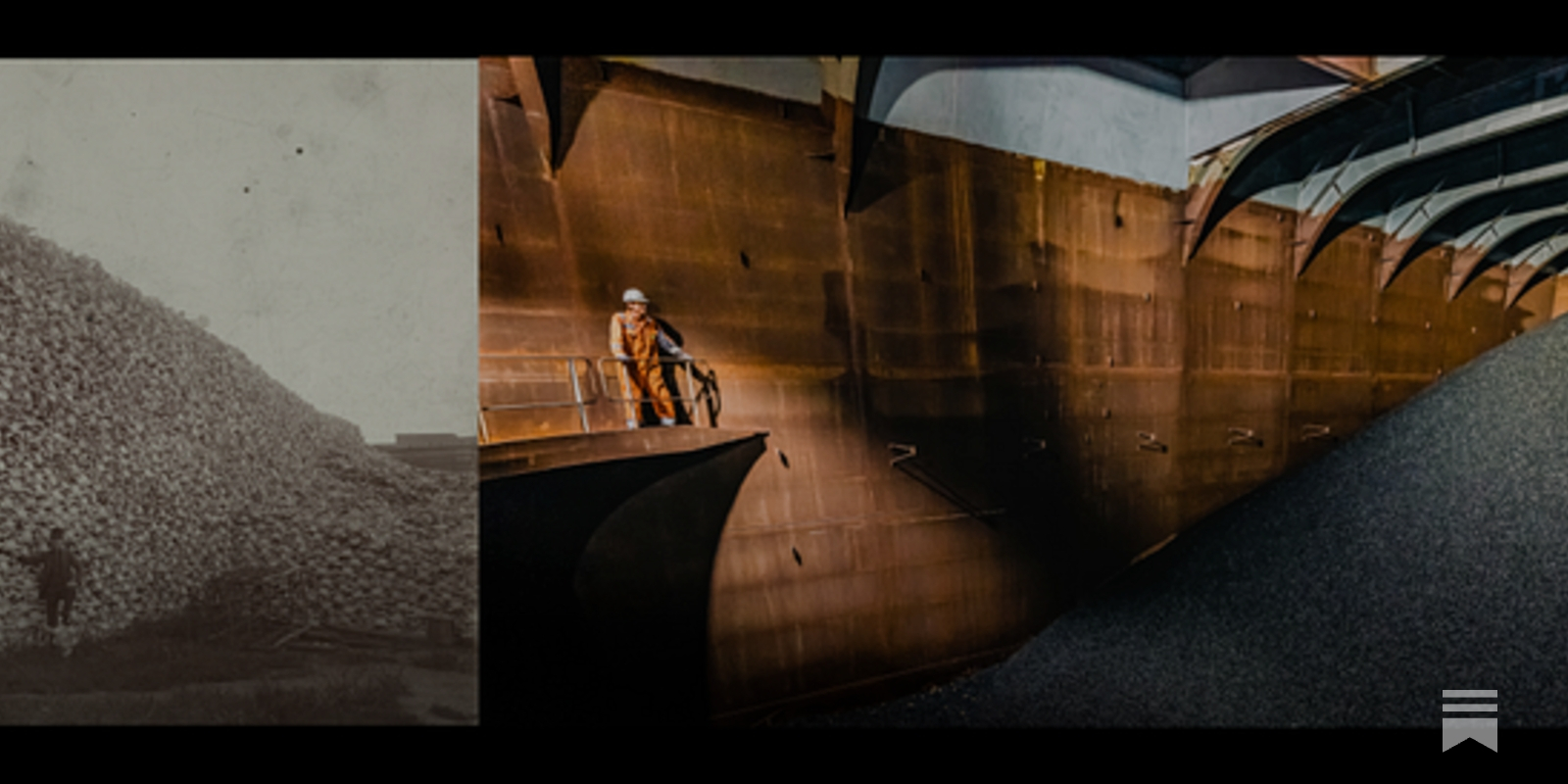
"The conscious destruction of a competing ethic” and the need for organizing and direct action
Redefining Culture Fit
Moving beyond superficial 'culture fit' towards shared values for building truly inclusive and effective teams.

The New Planetary Nationalism
The realization of human embeddedness in Earth’s natural systems does not inevitably create a cosmopolitan politics oriented toward universal well-being.
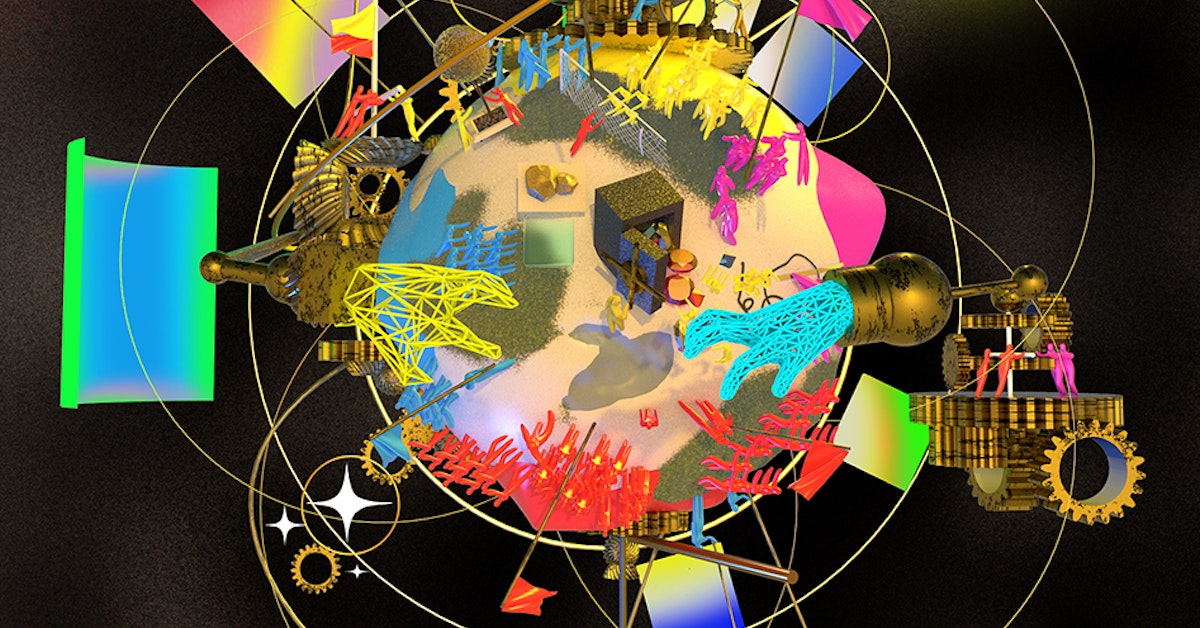
Sustainability is not enough: we need regenerative cultures
By Daniel C. Wahl

Differences Between Tight and Loose Cultures: A 33-Nation Study
The differences across cultures in the enforcement of conformity may reflect their specific histories. , With data from 33 nations, we illustrate the differences between cultures that are tight (have many strong norms and a low tolerance of deviant behavior) versus loose (have weak social norms and a high tolerance of deviant behavior). Tightness-looseness is part of a complex, loosely integrated multilevel system that comprises distal ecological and historical threats (e.g., high population density, resource scarcity, a history of territorial conflict, and disease and environmental threats), broad versus narrow socialization in societal institutions (e.g., autocracy, media regulations), the strength of everyday recurring situations, and micro-level psychological affordances (e.g., prevention self-guides, high regulatory strength, need for structure). This research advances knowledge that can foster cross-cultural understanding in a world of increasing global interdependence and has implications for modeling cultural change.
Does modernisation erase cultural difference – or amplify it? | Psyche Ideas
We understandably fear the flattening effect of modernity. But global data from China to Peru tells a hopeful story

At the heart of the Snow/Leavis ‘two cultures’ clash | Aeon Essays
C P Snow’s ‘Two Cultures’ lecture provoked a savage response from fellow critic F R Leavis. What was at the heart of it all?
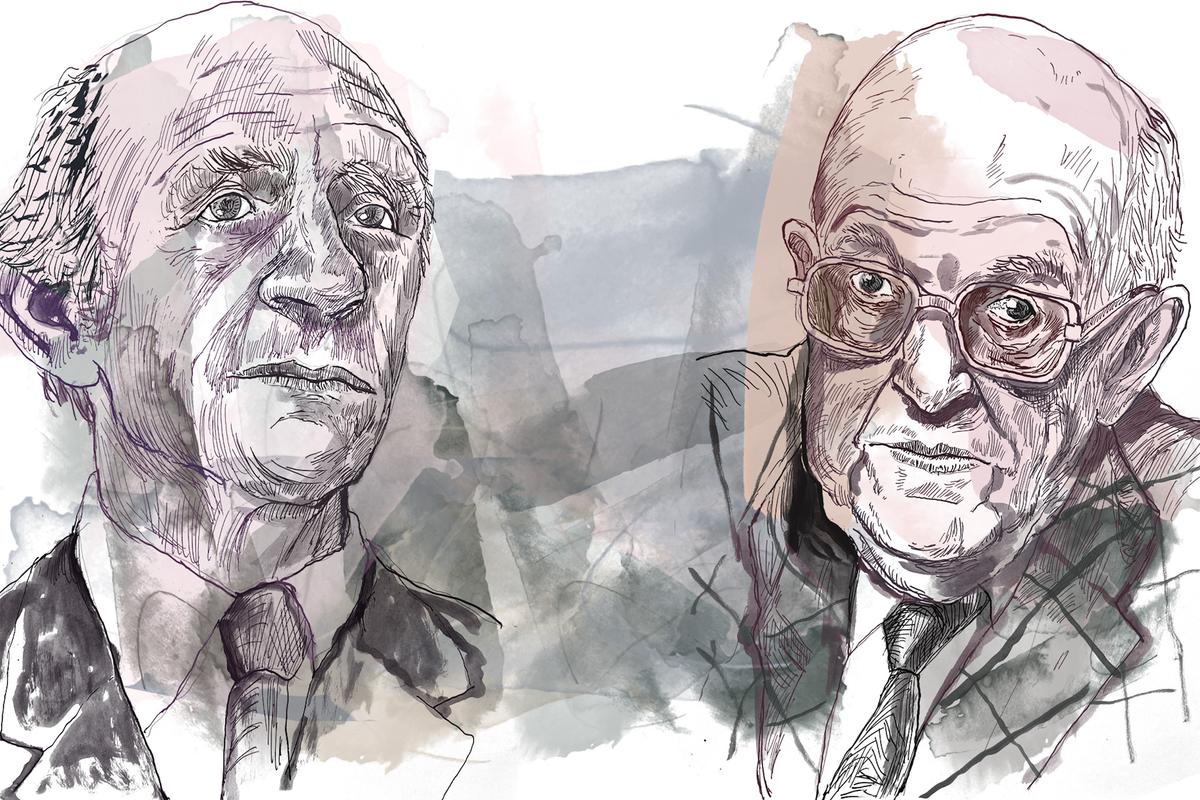
Activists and hipsters without territory or a plan
There is almost no social movement of a kind that leads human industrial society into a new direction. This may be because the likely participants and leaders of a vanguard have no territory. The missing ingredient is cohesion. Enough cohesion can create Virtual Territory, or a network for the cultural revolution that's needed to replace the systematic destruction of our biosphere.
The Illusion of Asymmetric Insight
The Misconception: You celebrate diversity and respect others’ points of view. The Truth: You are driven to create and form groups and then believe others are wrong just because they are oth…

HOW SHOULD WE LIVE IN A DIVERSE SOCIETY?
This is a transcript of my talk at the Castrum Peregrini in Amsterdam on 2 May. (Apologies for the lack of links and references; I will sort them out in due course when I have more time.) ‘Can Eur…
Reimagining Ourselves at the End of Our World: Kinship, Interconnection, and Spirituality in the Metacrisis - The Great Simplification
Over the past decade, the world has become increasingly chaotic and uncertain – and so, too, has our cultural vision for the future. While the events we face now may feel unprecedented, they are rooted in much deeper patterns, which humanity has been playing out for millennia. If we take the time to understand past trends, we can also employ practices and philosophies that might counteract them – such as focusing on kinship, intimacy, and resilience – to help pave the way for a better future. How might we nurture the foundations of a different kind of society, even while the end of our current civilization plays out around us?

Our Overfitted Century
Cultural stagnation is because we're stuck in-distribution
Humanists Have Done Nothing Wrong | Defector
For many years, I’ve held a pet theory that cultural consumers can be grouped into two broad categories: Primary Source People and Secondary Source People. The former are the book lovers, cinephiles, archive perusers, and history buffs who grew to love their areas of study because of the specific objects that constitute the field: the…

Humanists Have Done Nothing Wrong | Defector
For many years, I’ve held a pet theory that cultural consumers can be grouped into two broad categories: Primary Source People and Secondary Source People. The former are the book lovers, cinephiles, archive perusers, and history buffs who grew to love their areas of study because of the specific objects that constitute the field: the…
Links on Status and Culture - January 2024
Read to the end for a longer essay critiquing Ted Gioia's idea of Macro vs. Micro cultures that explains why we get confused about niches and countercultures Personal News I’m spending 2024 writing a new book — a cultural history of the first 25 years of the 21st century.

Alienation, Idealization, and Modeling
Models allow us to expose, explore, and excavate our assumptions. This is especially true for the sorts of assumptions that concern scholars of marginalization and resistance, who aim to show how ...