


It Doesn't Always Pay to Be a Thinker
Discerning What Power Is For - Mockingbird
The Spirit’s dynamic work in history will always rhyme with what God has manifested in Jesus.

The Final Christian Generation? - Mockingbird
What we can learn from the century that saw the sun set on the “final” pagan generation

Opinion | Think Less, Think Better (Published 2016)
A wandering mind has less innovative thoughts.

Summary: Thinking in Systems (by Donella H. Meadows)
The main argument of the book: Everything in this world is made of systems. While we cannot fully understand systems, we can observe them…
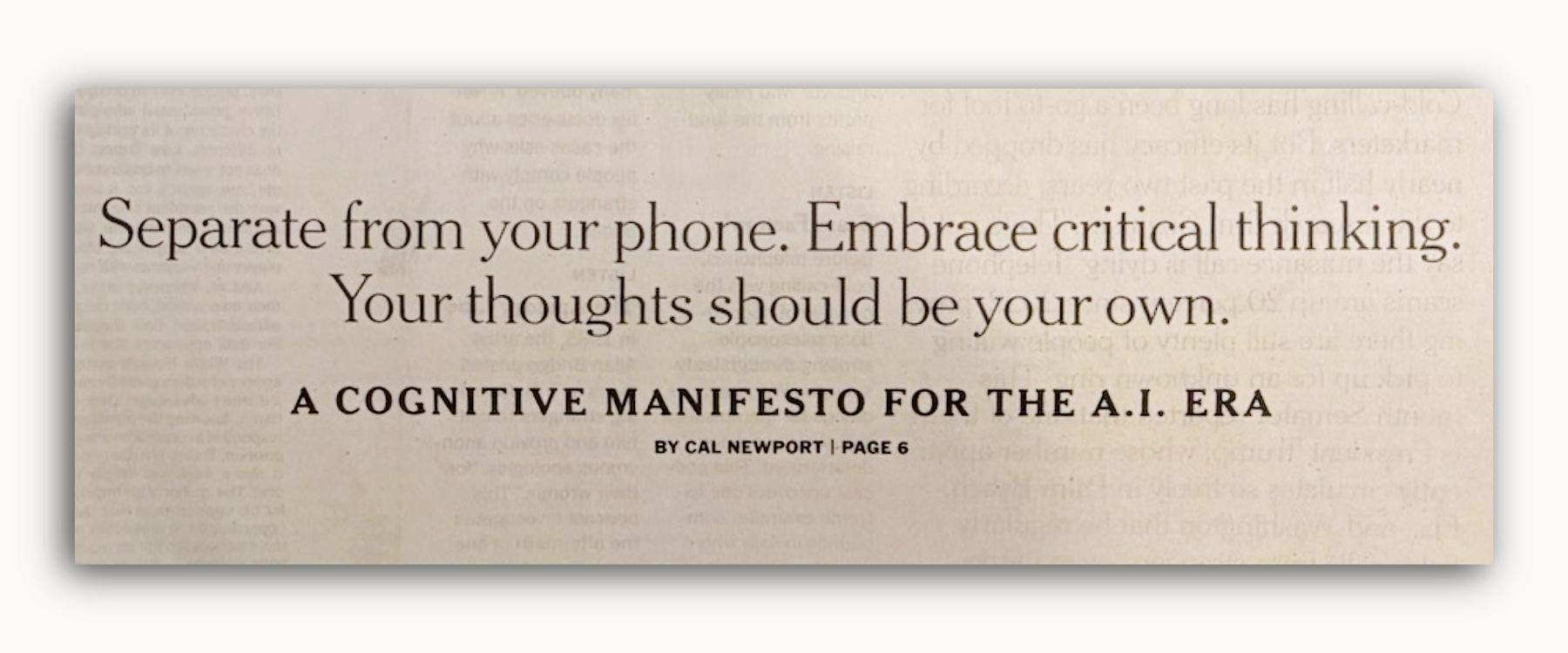
In Defense of Thinking - Cal Newport
Ten years ago, I published Deep Work. It was my second mainstream hardcover idea book. The previous title, So Good They Can’t Ignore You, hadn’t ... Read more
Upside Down: A Primer for the Looking-Glass World
In a series of mock lesson plans and a "program of study" Galeano provides an eloquent, passionate, funny and shocking exposé of First World privileges and assumptions. From a master class in "The Impunity of Power" to a seminar on "The Sacred Car"—with tips along the way on "How to Resist Useless Vices" and a declaration of the "The Right to Rave"—he surveys a world unevenly divided between abundance and deprivation, carnival and torture, power and helplessness. We have accepted a "reality" we should reject, he writes, one where poverty kills, people are hungry, machines are more precious than humans, and children work from dark to dark. In the North, we are fed on a diet of artificial need and all made the same by things we own; the South is the galley slave enabling our greed.
Mindful Judgment and Decision Making
A full range of psychological processes has been put into play to explain judgment and choice phenomena. Complementing work on attention, information integration, and learning, decision research over the past 10 years has also examined the effects of goals, mental representation, and memory processes. In addition to deliberative processes, automatic processes have gotten closer attention, and the emotions revolution has put affective processes on a footing equal to cognitive ones. Psychological process models provide natural predictions about individual differences and lifespan changes and integrate across judgment and decision making (JDM) phenomena. “Mindful” JDM research leverages our knowledge about psychological processes into causal explanations for important judgment and choice regularities, emphasizing the adaptive use of an abundance of processing alternatives. Such explanations supplement and support existing mathematical descriptions of phenomena such as loss aversion or hyperbolic discounting. Unlike such descriptions, they also provide entry points for interventions designed to help people overcome judgments or choices considered undesirable.

This life gives you nothing
Your attention is all you have. Wasting it is annihilating. Blackbird Spyplane saves literacy in a monumental Year-End Essay.

Why major life decisions should be approached with ‘epistemic humility’ | Psyche Videos
At a crossroads in life? No matter how much you deliberate, one unknowable remains: the person you will be on the other side

Chesterton’s Fence: A Lesson in Thinking
A core component of making great decisions is understanding previous decisions. If we don’t understand how we got “here,” we run the risk of making things much worse.

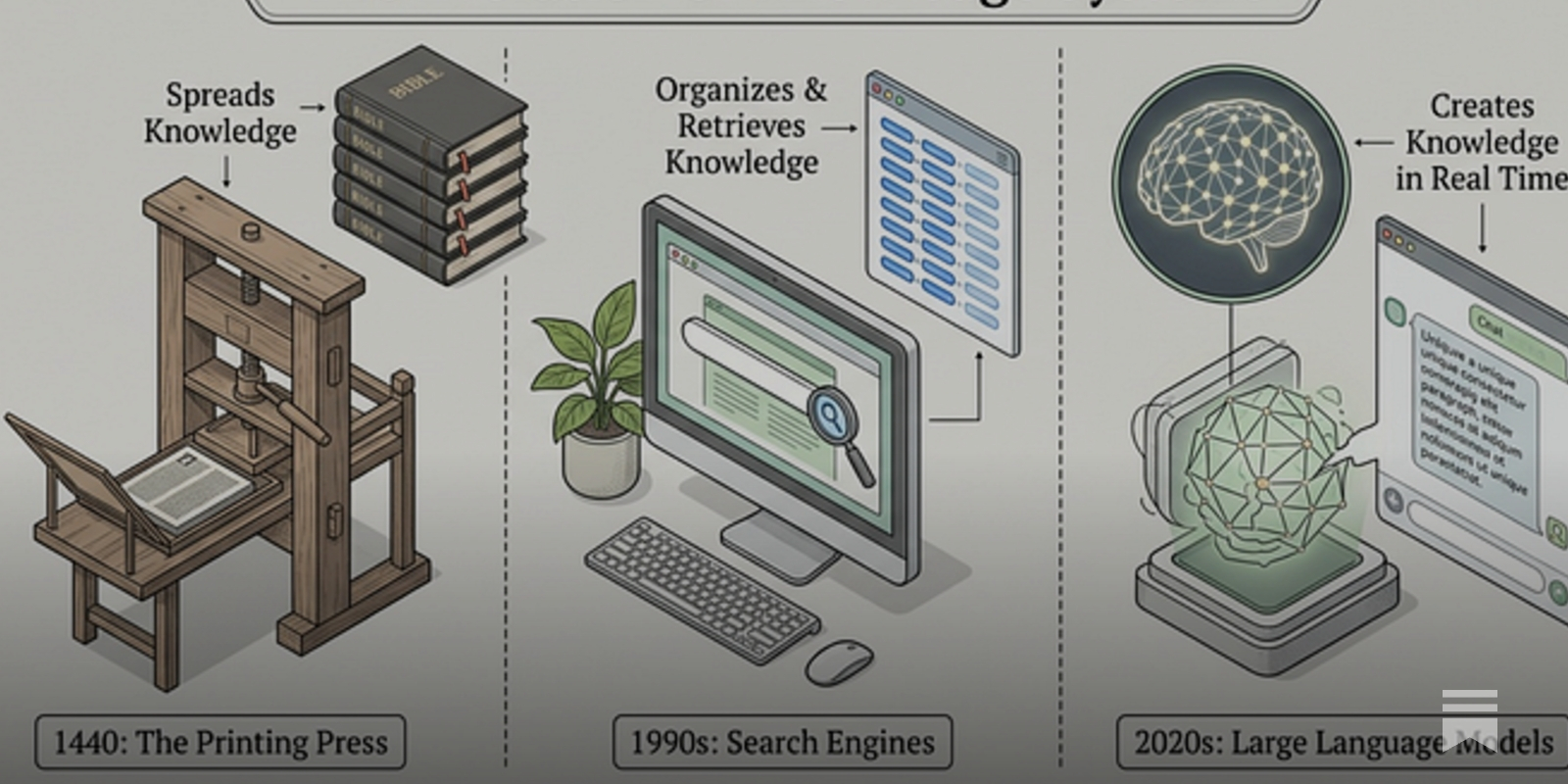
The Great Reckoning - The Ideas Letter
The world feels unsettled, as if history itself were changing tempo. The familiar landmarks of the modern age are blurring, slipping away, and the stories we once told ourselves about…
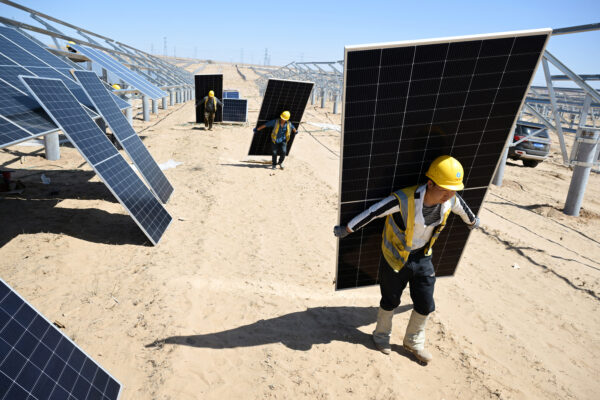
The Great Reckoning - The Ideas Letter
The world feels unsettled, as if history itself were changing tempo. The familiar landmarks of the modern age are blurring, slipping away, and the stories we once told ourselves about…
The marketplace of rationalizations
Recent work in economics has rediscovered the importance of belief-based utility for understanding human behaviour. Belief ‘choice’ is subject to an important constraint, however: people can only bring themselves to believe things for which they can find rationalizations. When preferences for similar beliefs are widespread, this constraint generates rationalization markets, social structures in which agents compete to produce rationalizations in exchange for money and social rewards. I explore the nature of such markets, I draw on political media to illustrate their characteristics and behaviour, and I highlight their implications for understanding motivated cognition and misinformation.


Thinking Fast, Slow, Artificially: AI and Your Brain
AI can boost your decisions — or quietly undermine them. Wharton researchers introduce a new theory of cognition that every leader needs to understand.
