

The dream of hypermedia can come to fruition in a world where clients can not only parse, but navigate with intent.
Context Engineering | Meetup
"Context engineering is the delicate art and science of filling the context window with just the right information for the next step" - Andrej KarpathyLearn about tools, frameworks, and code that is in service of context engineering from practitioners in this space.Dive into the set of strategies fo

Luke Wroblewski on Twitter / X
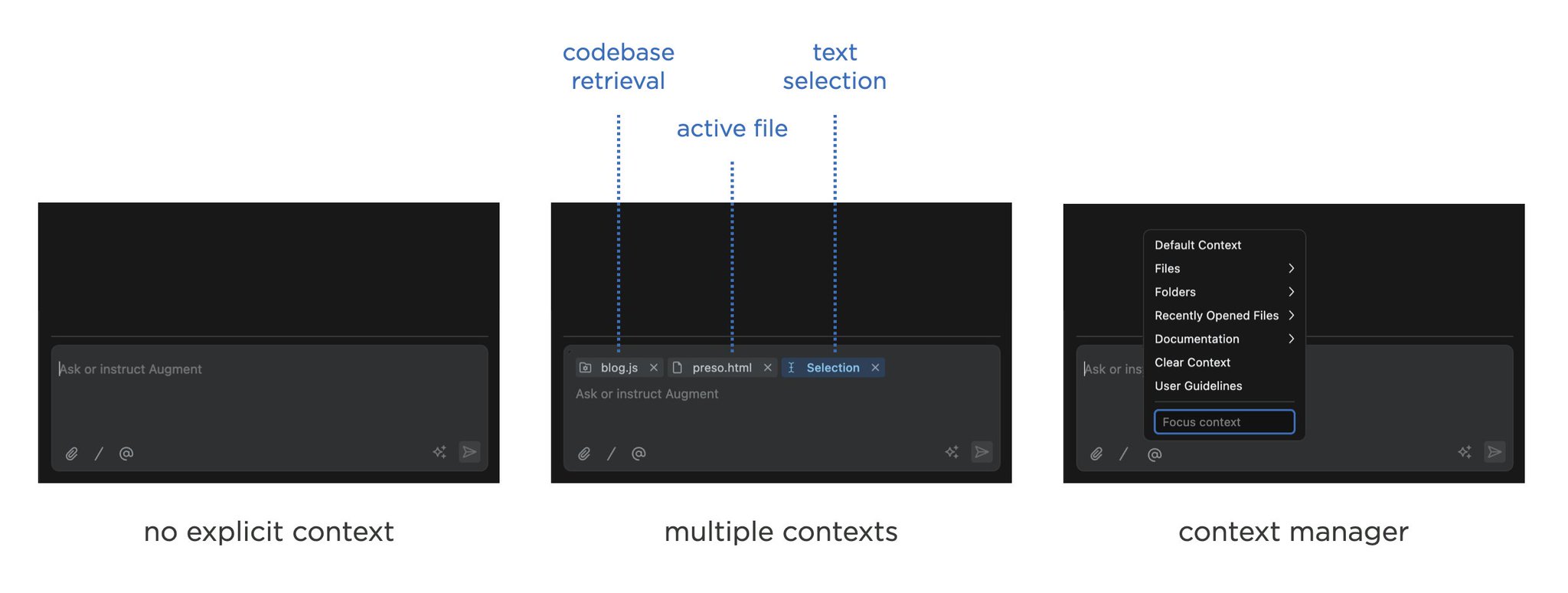
If context engineering is the new hotness for engineering, context management is the new UI hotness/challenge for designers. pic.twitter.com/iXNTYnVRIi— Luke Wroblewski (@LukeW) July 10, 2025
The State of Context Engineering
As models improve, they bring surprising challenges for those building apps and harnesses. How context engineering has changed this year, and where it’s headed.
The Web Needs a Context Layer Built on a Shared Protocol
Making context a shared protocol, rather than a platform feature, would let readers see competing perspectives anywhere on the web, argue Mallory Knodel, Evan Friedman, and Brad Friedman.

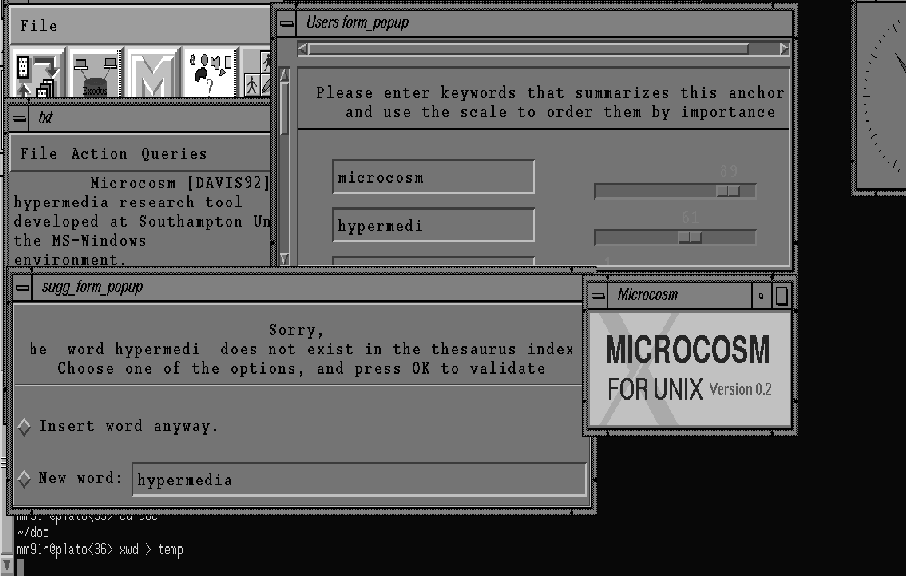
Vision and Reality of Hypertext and GUIs: 2.1.13 Microcosm @mprove
Microcosm (cf. 2.1.13) is a research project at the University of Southampton. Like Intermedia five years before, Microcosm is designed around the idea that material of diverse sources and formats should be tied together into one hypertext. To achieve this goal links have to be separated from the documents. They are stored and maintained in special link databases. In contrast to Intermedia, Microcosm plays the active role in gathering the necessary data out of the documents. For each topic it stores data on which documents contain information about it and also where inside the documents the information is located. This elaborated conception of links can be seen more as a kind of Memex’ trails than simple one-to-one links. Given this structure dynamic linking becomes possible. This means that links can be associated with generic text strings. Wherever this string shows up a link is placed automatically. This has the effect that documents that are imported for the first time into Microcosm can have links immediately.
Hypermedia Systems
The revolutionary ideas that empowered the Web. A simpler approach to building applications on the Web and beyond with htmx and Hyperview. Enhancing web applications without using SPA frameworks.
Handling Buttons and Links | Web Browser Engineering
Our browser is still missing the key insight of hypertext: documents linked together by hyperlinks. It lets us watch the waves, but not surf the web. So in this chapter, we’ll implement hyperlinks, an address bar, and the rest of the browser interface—the part of the browser that decides which page we are looking at.
Context Graph: It’s time to bring context back to the web
The largest button on a modern browser is the back button. Trips to the web are short. Enter a search, get a result, click back, then try…

The New Skill in AI is Not Prompting, It's Context Engineering
Context Engineering is the new skill in AI. It is about providing the right information and tools, in the right format, at the right time.

Context Engineering
Context engineering strategies for AI agents: write, select, compress, and isolate context to optimize performance and manage long-running tasks.
yzfly/awesome-context-engineering
A curated collection of resources, papers, tools, and best practices for Context Engineering in AI agents and Large Language Models (LLMs).
Context Engineering Guide – Nextra
A Comprehensive Overview of Prompt Engineering
The Web Needs a Context Layer Built on a Shared Protocol
Context is a new, developing layer of the internet, write Mallory Knodel, Evan Friedman and Brad Friedman.

Working with Contexts
The following article comes from two blog posts by Drew Breunig: “How Long Contexts Fail” and “How to Fix Your Contexts.”Managing Your Context is the Key

</> htmx ~ When Should You Use Hypermedia?
This essay by Carson Gross explores when to use hypermedia in web development, highlighting its advantages and trade-offs. Carson discusses scenarios where hypermedia is a good fit, such as text and image-heavy UIs, CRUD applications, and nested UIs with well-defined areas. He also addresses when hypermedia may not be ideal, including situations with frequent UI state updates, offline requirements, or dynamic interdependencies. Using a 'Transitional' approach (as suggested by Rich Harris), Carson advocates for combining hypermedia with other strategies to optimize web application development, emphasizing its practical benefits and alignment with the web's architecture.
