

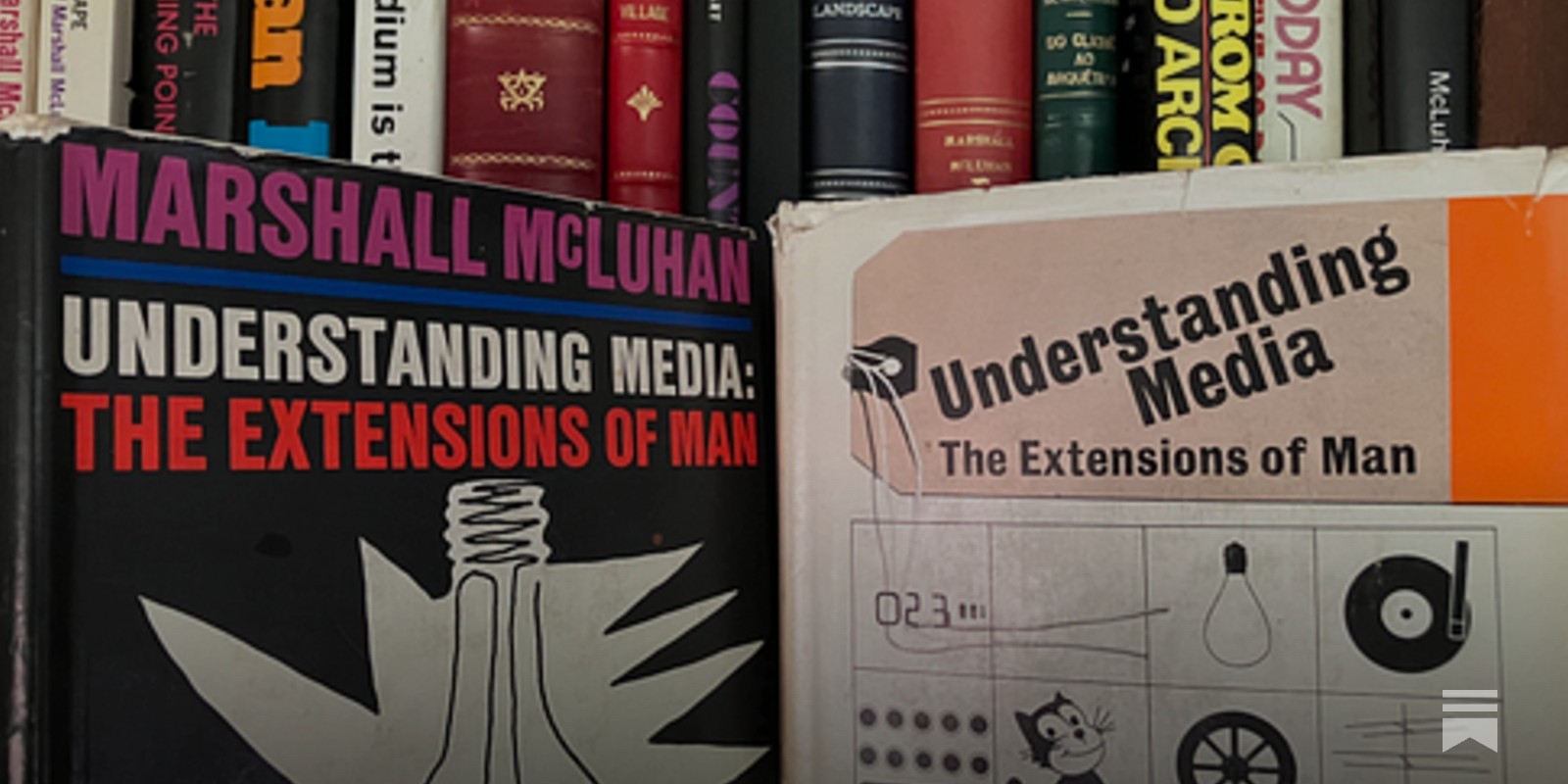
A guidebook, and poetry more than prose, Marshall McLuhan's 1964 work remains one of our best resources for exploring the nature and effects of new media. It's not an easy read, so I'm going to help.
Brett Scott (@brettscott)
Marshall McLuhan is famous for his observation that the form of a communication technology can shape our mind and society The age of the printed book, for example, carried with it a particular way of being. Regardless of the differing content of different books, all books required a particular mindset in which a thread is followed from the beginning to the end through an arc I feel the age of social media is like the age of a ripped up book, as if we were surrounded by torn shards and shreds of paper floating like confetti around us. We grab for them, hoping for some tiny insight, but not having any way of knowing where it fits in the overarching narrative This note is one such shard. You can toss it away now

I have forgotten how to read
For a long time Michael Harris convinced himself that a childhood spent immersed in old-fashioned books would insulate him from our new media climate, but he was wrong

Writings and rehearsals by Nathan Schneider
Welcome. I’m a professor of media studies at the University of Colorado Boulder, where I direct the Media Economies Design Lab and teach and learn from our students. I’ve written a book each on online democracy, cooperative enterprise, the Occupy movement, and God, and I’ve edited ones about solidarity economies, crypto, and co-ops. Reporting articles for both magazines and academic journals keeps my notebooks filled. Working with others to build a democratic economy keeps me accountable.
Medium: Read and write stories.
On Medium, anyone can share insightful perspectives, useful knowledge, and life wisdom with the world.
Tetrad of media effects
Marshall McLuhan's tetrad of media effects uses a tetrad - a four-part construct - to examine the effects on society of any technology/medium by dividing its effects into four categories and displaying them simultaneously. The tetrad first appeared in print in articles by McLuhan in the journals Technology and Culture (1975) and et cetera (1977). It first appeared in book form in his posthumously-published works Laws of Media (1988) and The Global Village (1989).

Tradition and the Individual Talent
Poems, readings, poetry news and the entire 110-year archive of POETRY magazine.

Music
The Paper Pilot's digital garden of thoughts on philosophy, politics, and sociology. Reading time: ~4 minute read | Published: Aug 18, 2026 | Updated: Sep 12, 2026

Digital feeds, malnourished students — Phantom Power
Today we’re doing one of our occasional episodes where host Mack Hagood talks about a new essay he’s written for our newsletter “Feed Logic and the Failure to Thrive” Mack writes that students and professors are struggling, both academically and spiritually. He tries to diagnose the issue he felt in his classrooms this year and the role technology may play in it. For new listeners, Mack is a writer and researcher who studies sound, technology, and culture. He is the author of Hush: Media and Sonic Self-Control, a book on noise-canceling headphones, white noise, tinnitus, and the ways people use sound to manage modern life. He is currently writing a new book for Penguin Press, and he also hosts this podcast Phantom Power, where he interviews artists, scholars, musicians, and sound designers about the invisible power of sound in everyday life. Besides all that, Mack is a university professor and that’s what his most recent essay is about. Click here to read the newsletter for free. Cited Media: Film:Mary…
The Cruise of the Dazzler by Jack London
Free kindle book and epub digitized and proofread by volunteers.
Solidarity Cinema
We believe liberatory media should be as free as the future we struggle toward. We’ll do our best to collectively update and maintain the library and catalog. For now the catalog is updated occasionally, but films are added regularly.

Dark Matters: On the Surveillance of Blackness by Simon…
Discover and share books you love on Goodreads.

The H.D. Book by Robert Duncan | East Bay Booksellers
This magisterial work, long awaited and long the subject of passionate speculation, is an unprecedented exploration of modern poetry and poetics by one of America’s most acclaimed and influential postwar poets.
Prosocial Media

attention economy and media critique

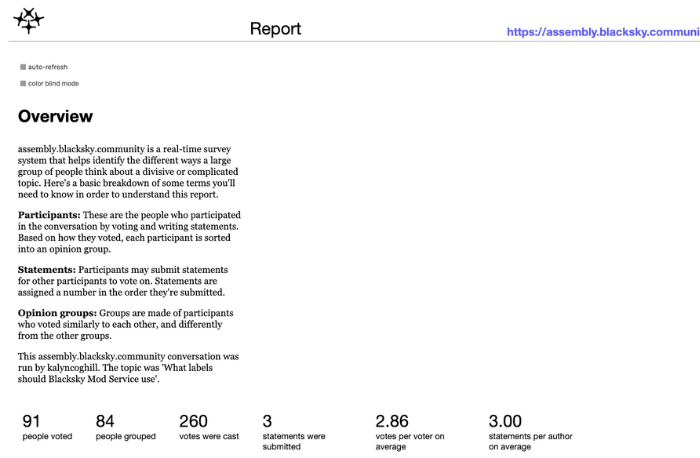
What Happens When You Have a Choice? : A Breakdown of The People's Assembly and Blacksky's Vision for Democratic Tooling

Introducing Discussions - a new way to have conversations on Blacksky 🗣️ Now you can create a dynamic poll right from the post composer in…

Sparkable
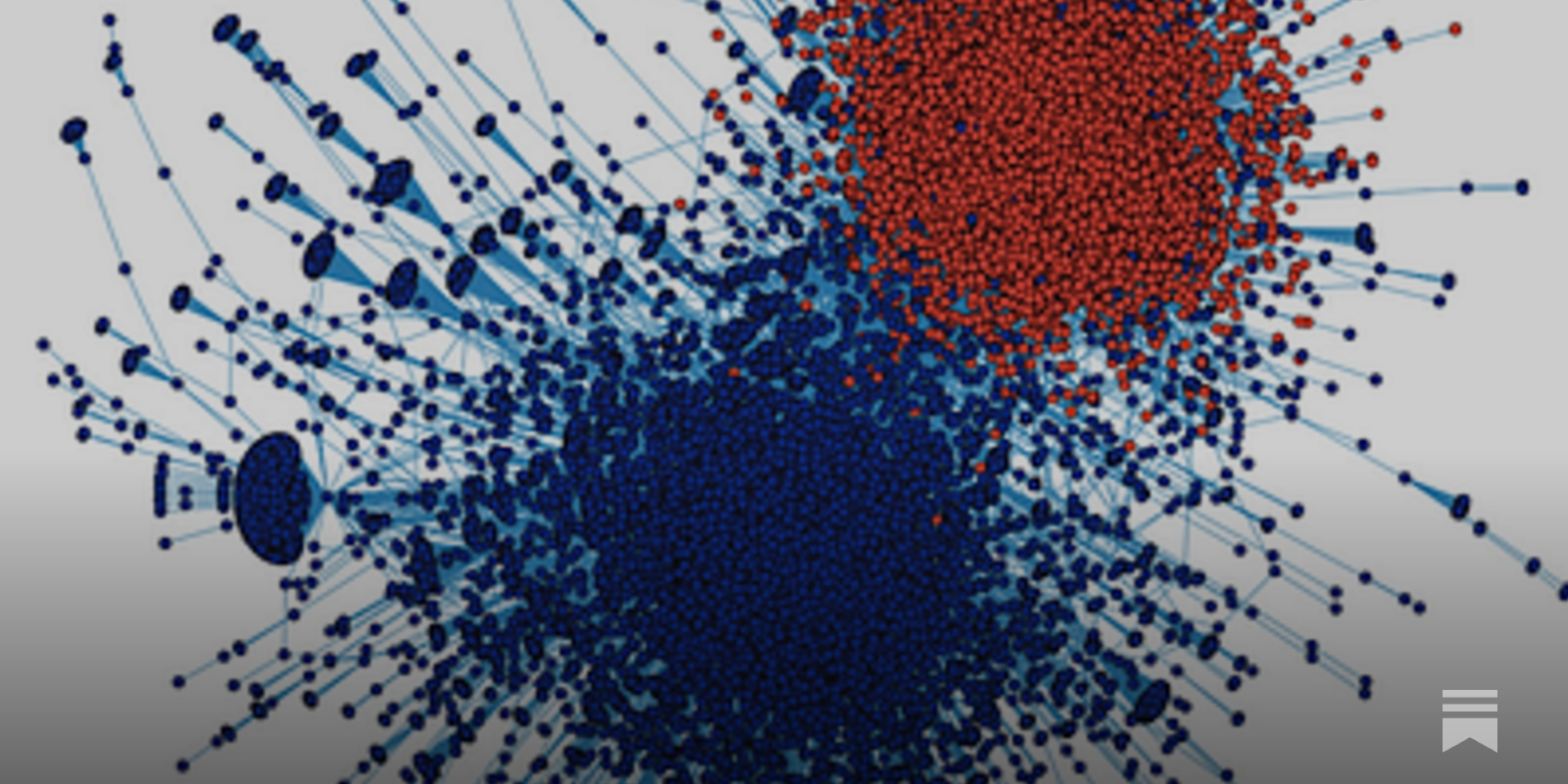
What Does Constructive Mean?

MySky Social | Jonathan Stray | Substack

Prosocial Media
I don't enjoy the Internet any more
neilpostman.org

AI Is a Waste of Time
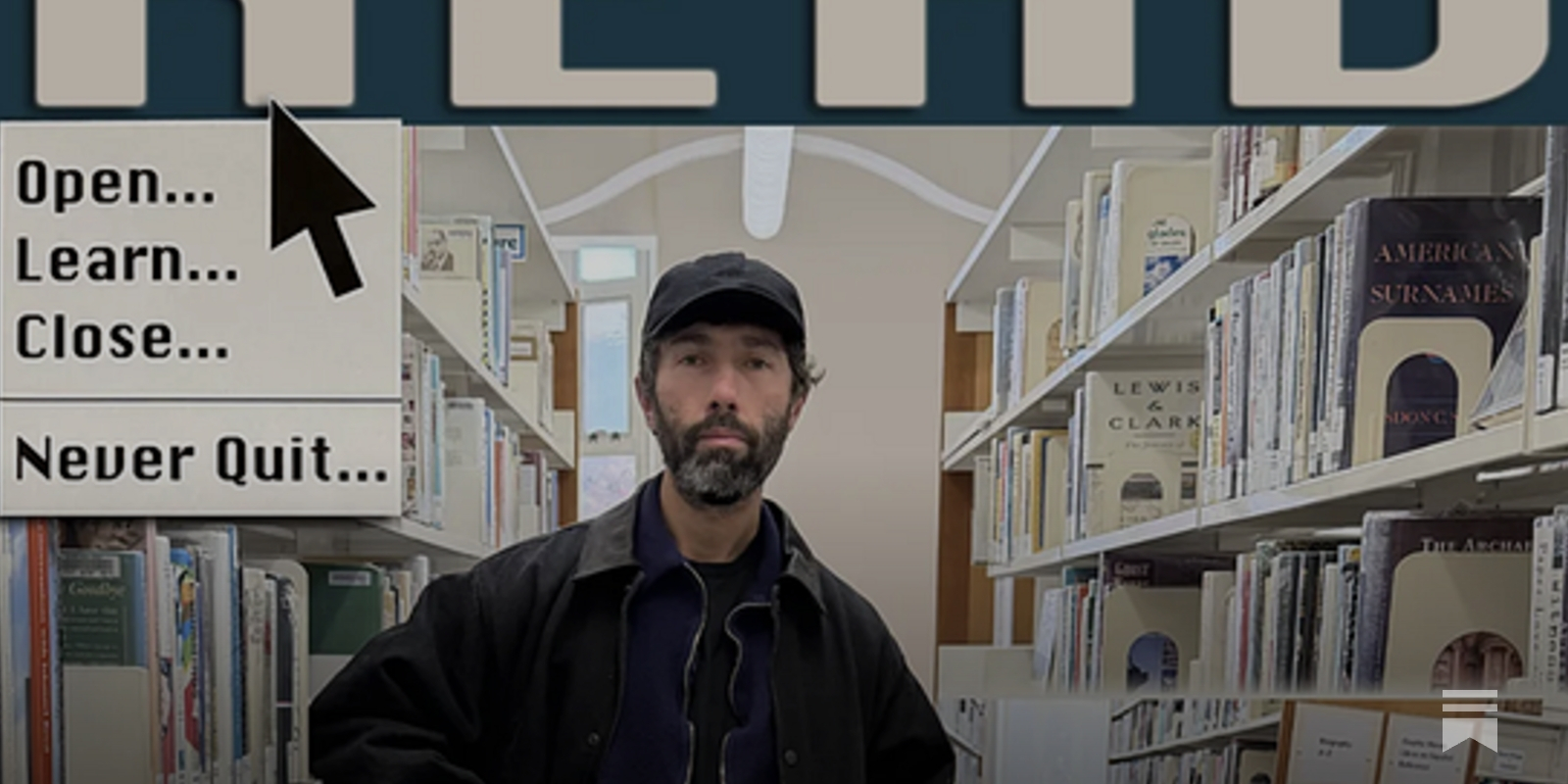
This life gives you nothing

Are We Having Too Much Fun?
Do Not Research | Substack