
NOTE: This page is modified from a summary of findings available at the RCCX and Illness website.
Shadow Enhancers Are Pervasive Features of Developmental Regulatory Networks
Cannavò et al. examine redundant (shadow) enhancers genome wide, finding that the majority of loci have more than two elements with similar activity. Evolutionary analyses show evidence of pervasive stabilizing selection and an ability to buffer mutations, suggesting that shadow enhancers have complex and fundamental roles in developmental networks

LLM-Assisted Reanalysis of Unsolved Rare Disease Genomes Increases Diagnostic Yield
Rare and undiagnosed genetic disorders affect millions of patients globally, and many patients endure years of inconclusive testing. Conventional genomic interpretation can be insufficiently sensit...

AlphaFold2 @ CASP14: “It feels like one’s child has left home.”
The past week was a momentous occasion for protein structure prediction, structural biology at large, and in due time, may prove to be so for the whole of life sciences. CASP14, the conference for …


Single-Nucleus Multi-Omic Atlas Maps Regulatory Architecture and Non-Coding Variant Effects across Adult Human Tissues
Diverse human cell types establish specialized functions through lineage- and context-specific regulatory programs. Interpreting non-coding genetic risk requires integrated multi-omic reference maps that directly connect regulatory DNA to cellular expression across human tissues.
neoeinstein/protoc-gen-prost
Contribute to neoeinstein/protoc-gen-prost development by creating an account on GitHub.
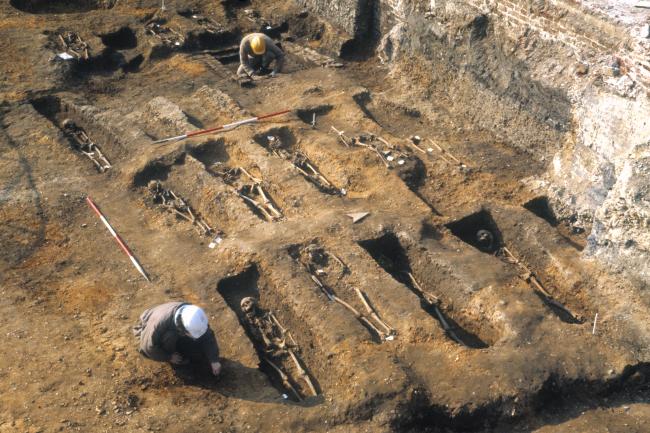
How the Black Death shaped human evolution
Genetic variants that helped the immune system fight the Black Death may have had the side effect of increasing susceptibility to autoimmune diseases.
(PDF) Highly efficient genome editing using oocyte-specific z cas9 transgenic zebrafish
PDF | Since its first application, CRISPR/Cas9 rapidly becomes a routine technique to perform genome editing in a variety of biological systems. To... | Find, read and cite all the research you need on ResearchGate

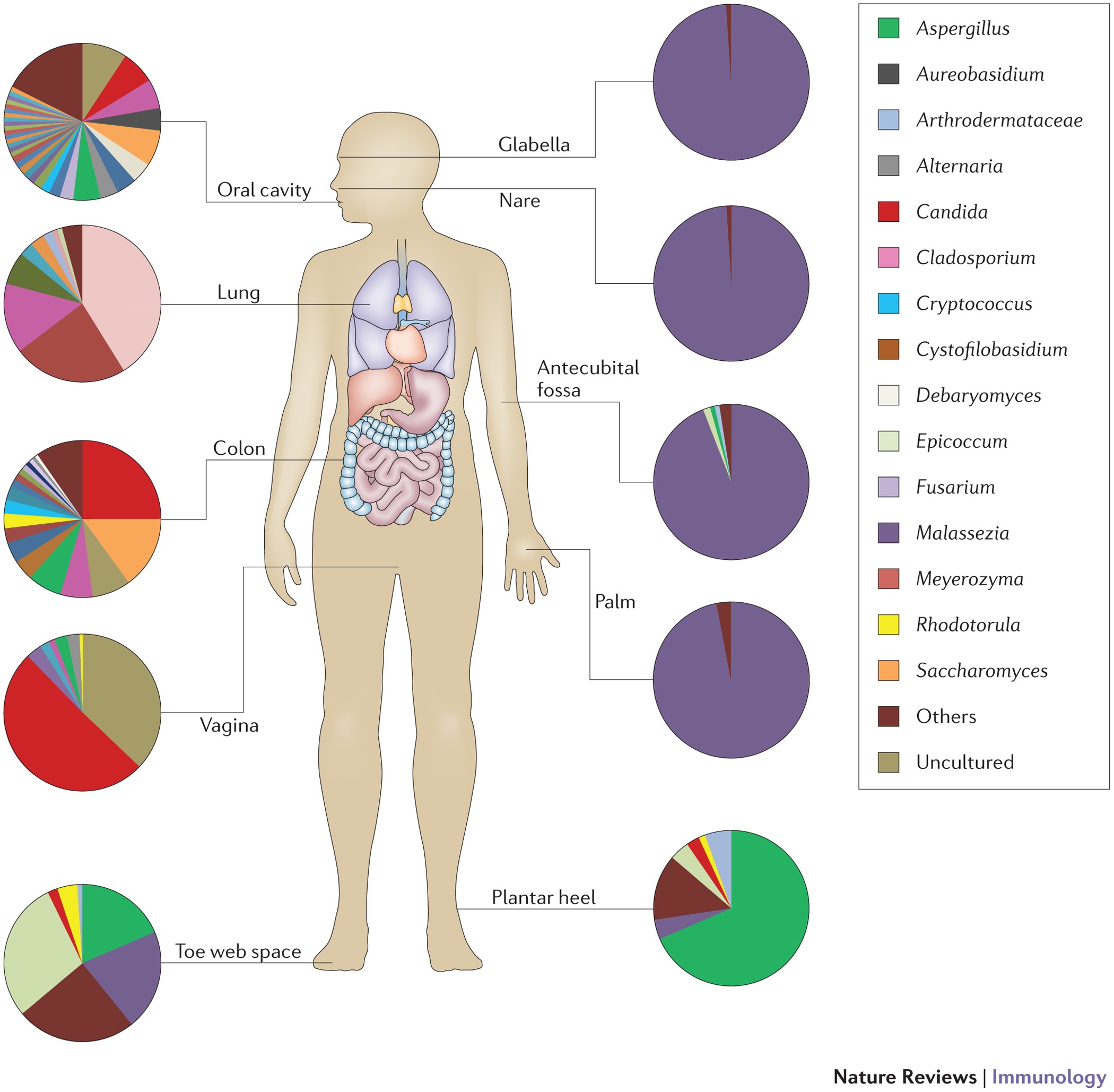
The mycobiota: interactions between commensal fungi and the host immune system
The fungal microbiota, or 'mycobiota', is an understudied component of the microflora that is found on all mucosal surfaces and on the skin.Like other microorganisms, fungi interact with the immune system at these surfaces in ways that are important both for host defence and for regulating the immune system.Investigators who study the mycobiota face both biological and bioinformatic challenges.The study of human genetic disorders and genetic polymorphisms teaches us about the mechanisms by which commensal and pathogenic fungi interact with the immune system.
Elisabeth Bik on Twitter / X
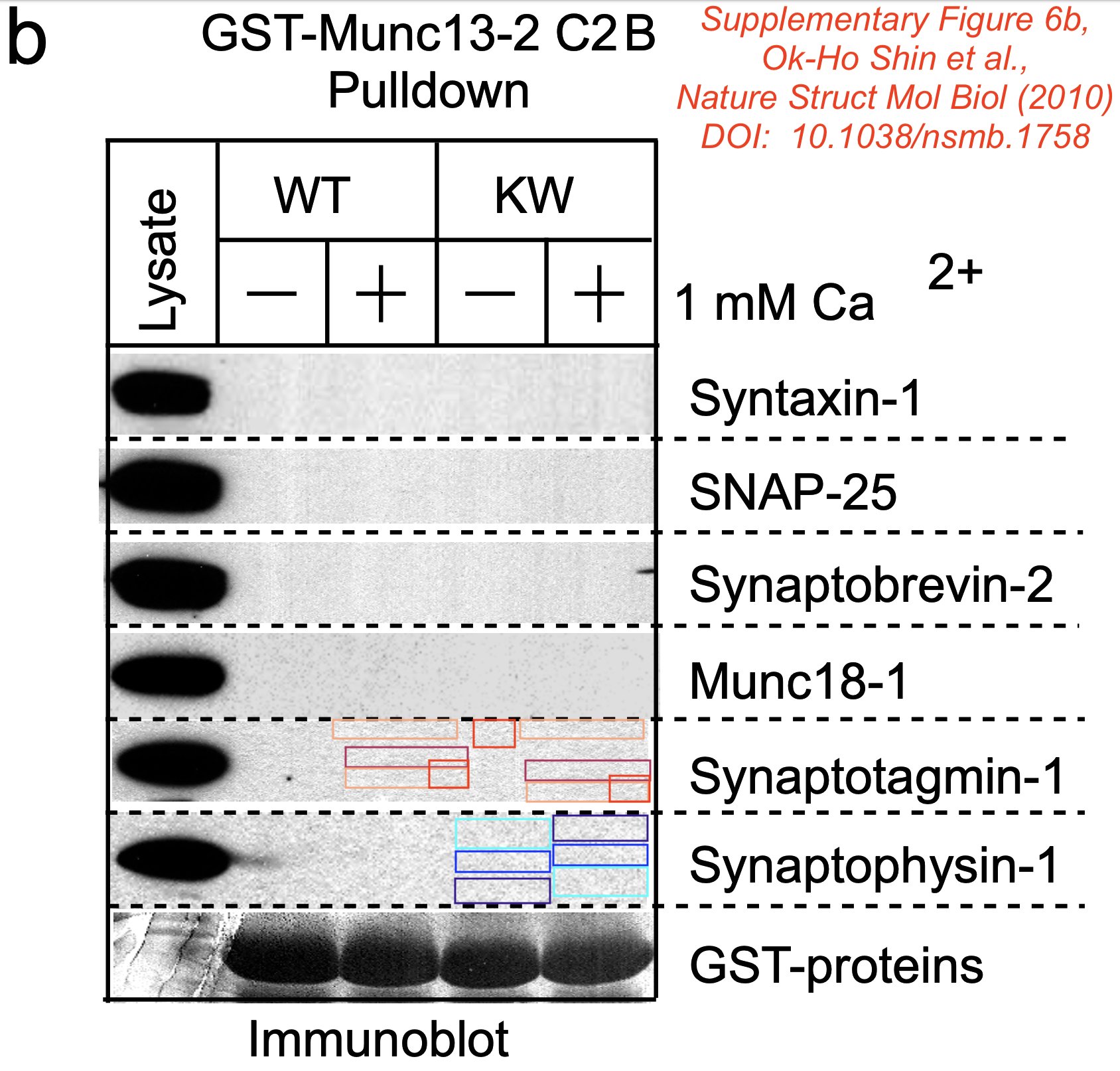
There are clearly some problems in Figure S6b, but dr. S. is "deeply skeptical" and claims that these concerns are "unfounded".Look, you might have won the Nobel prize, but that does not mean you are correct here. I stand by my concerns. https://t.co/l47YC65nZp pic.twitter.com/Gy6xqomXvr— Elisabeth Bik (@MicrobiomDigest) June 16, 2024
The Ecological Theatre of Selfish Elements
Abstract. Some selfish genetic elements enhance their transmission to the next generation by interfering with and eliminating competing variants within the

The zinc finger gene Krox20 regulates HoxB2 (Hox2.8) during hindbrain segmentation
The zinc finger gene Krox20 and many Hox homeobox genes are expressed in segment-restricted domains in the hindbrain. The restricted expression patterns appear before morphological segmentation, suggesting that these transcription factors may play an early role in the establishment and identity of rhombomeric segments. In this paper, we show that the HoxB2 (Hox2.8) gene is normally upregulated in rhombomeres (r) 3, 4, and 5, and we identify an enhancer region upstream of the gene that imposes r3/r5 expression in transgenic mice.

Differences in Krox20-Dependent Regulation of Hoxa2 and Hoxb2 during Hindbrain Development
During hindbrain development, segmental regulation of the paralogous Hoxa2 and Hoxb2 genes in rhombomeres (r) 3 and 5 involves Krox20-dependent enhancers that have been conserved during the duplication of the vertebrate Hox clusters from a common ancestor. Examining these evolutionarily related control regions could provide important insight into the degree to which the basic Krox20-dependent mechanisms, cis-regulatory components, and their organization have been conserved. Toward this goal we have performed a detailed functional analysis of a mouse Hoxa2 enhancer capable of directing reporter expression in r3 and r5. The combined activities of five separate cis-regions, in addition to the conserved Krox20 binding sites, are involved in mediating enhancer function. A CTTT (BoxA) motif adjacent to the Krox20 binding sites is important for r3/r5 activity. The BoxA motif is similar to one (Box1) found in the Hoxb2 enhancer and indicates that the close proximity of these Box motifs to Krox20 sites is a common feature of Krox20 targets in vivo. Two other rhombomeric elements (RE1 and RE3) are essential for r3/r5 activity and share common TCT motifs, indicating that they interact with a similar cofactor(s). TCT motifs are also found in the Hoxb2 enhancer, suggesting that they may be another common feature of Krox20-dependent control regions. The two remaining Hoxa2 cis-elements, RE2 and RE4, are not conserved in the Hoxb2 enhancer and define differences in some of components that can contribute to the Krox20-dependent activities of these enhancers. Furthermore, analysis of regulatory activities of these enhancers in a Krox20 mutant background has uncovered differences in their degree of dependence upon Krox20 for segmental expression. Together, this work has revealed a surprising degree of complexity in the number of cis-elements and regulatory components that contribute to segmental expression mediated by Krox20 and sheds light on the diversity and evolution of Krox20 target sites and Hox regulatory elements in vertebrates.
Carbon-A: Finding genes in known and unknown genomes
A Blog post by Hugging Face Biology Research on Hugging Face

Highly Efficient CRISPR-Cas9-Based Methods for Generating Deletion Mutations and F0 Embryos that Lack Gene Function in Zebrafish
Cas9 RNP complexes consisting of synthetic crRNA:tracrRNA duplex guide RNAs consistently induce mutations in virtually all copies of a targeted gene in zebrafish embryos. Hoshijima et al. show these tools allow effective screening of individual or combinations of gene function in F0 embryos and the facile induction of deletion mutations.

GenBio ICML Workshop 2026
The 2026 workshop on Generative and Agentic AI for Biology at ICML 2026, Seoul, South Korea.