


Video-gamers have co-authored a paper describing a new set of rules for determining the difficulty of designing structures composed of RNA molecules.
The Multiple Paths to Multiple Life
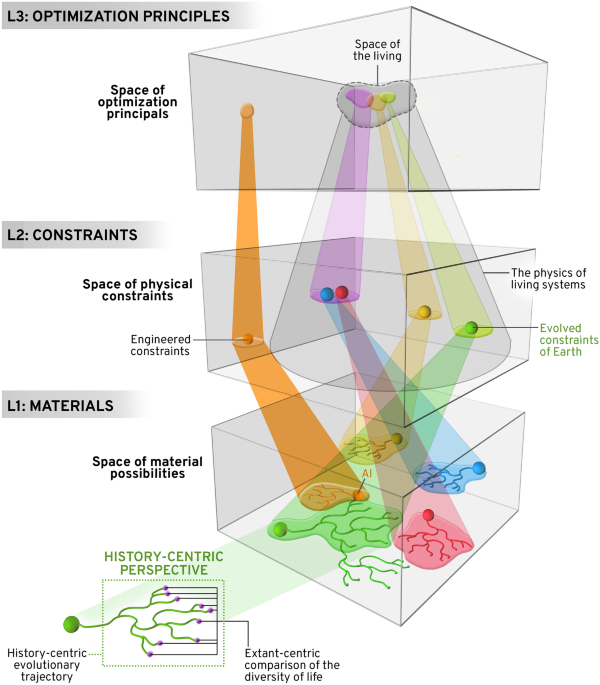
We argue for multiple forms of life realized through multiple different historical pathways. From this perspective, there have been multiple origins of life on Earth—life is not a universal homology. By broadening the class of originations, we significantly expand the data set for searching for life. Through a computational analogy, the origin of life describes both the origin of hardware (physical substrate) and software (evolved function). Like all information-processing systems, adaptive systems possess a nested hierarchy of levels, a level of function optimization (e.g., fitness maximization), a level of constraints (e.g., energy requirements), and a level of materials (e.g., DNA or RNA genome and cells). The functions essential to life are realized by different substrates with different efficiencies. The functional level allows us to identify multiple origins of life by searching for key principles of optimization in different material form, including the prebiotic origin of proto-cells, the emergence of culture, economic, and legal institutions, and the reproduction of software agents.
AI-designed nucleases build on nature’s design
Researchers used AI to create variants of a CRISPR-Cas12-like nuclease, some of which show increased editing activity

Scientists Are Discovering Long-Lost Rules for Ancient Board Games
You can play reconstructions of ancient board games thanks to these scientists and their algorithms.

The Video Game Library | All Books on Videogames
The Video Game Library is a site that celebrates books about videogames. From artbooks and children's books to novelizations and biographies. Indie writers to best-selling authors. Atari to Xbox. Come have a look and discover some books.
The Game Dev Tree (Video Game) - TV Tropes
The Game Dev Tree is an Idle Game made in The Modding Tree by The Paper Pilot and released in 2020. In it, you are making your own game, releasing updates …

How to write a game design document (GDD)
Learn how to create a modern GDD and keep your project on track.
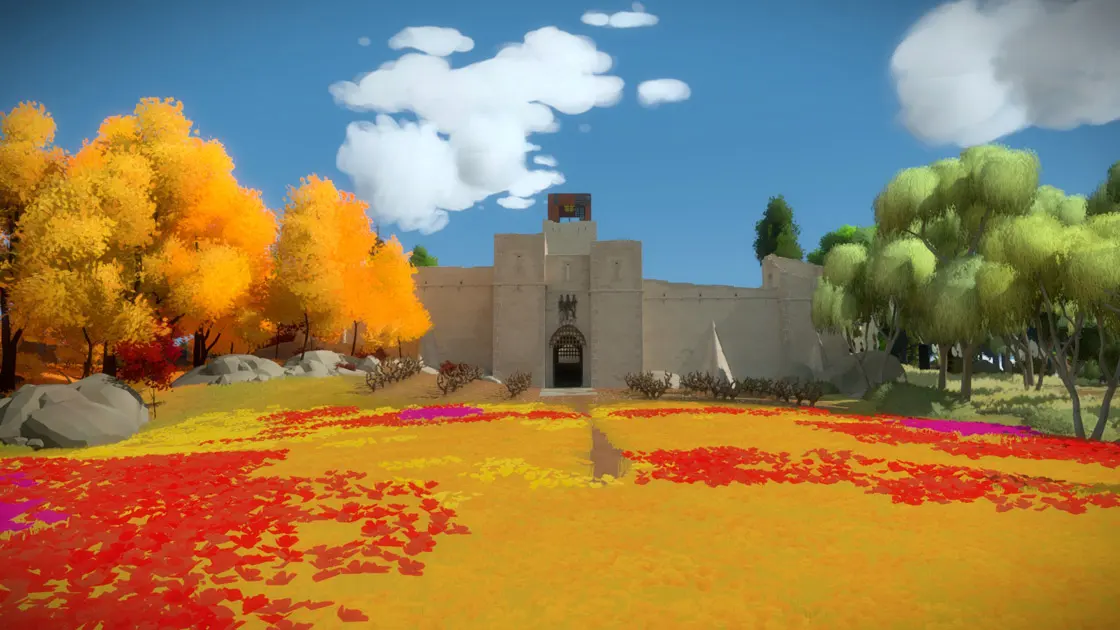
Interview With 'The Witness' Creator Jonathan Blow
The video game creator on the nature of science, language and design
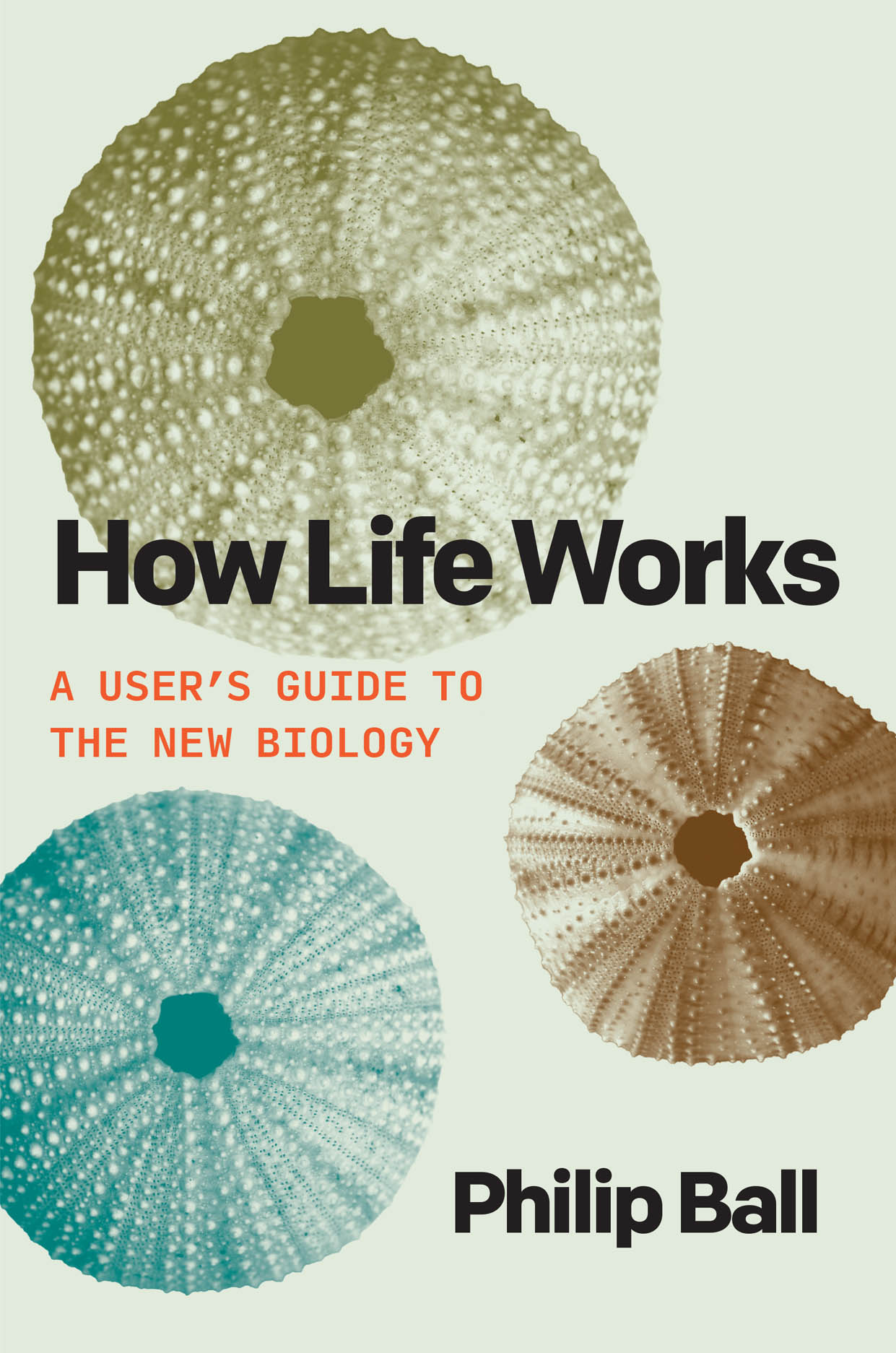
How Life Works: A User’s Guide to the New Biology
“Bold and intriguing.”—Wall Street Journal • “Penetrating. . . . Provocative and profound.”—Publishers Weekly (starred review) • “Offers plenty of food for thought.”—Kirkus Reviews (starred review) “Ball’s marvelous book is both wide-ranging and deep. . . . I could not put it down.”—Siddhartha Mukherjee, author of The Song of the Cell and the Pulitzer Prize–winning The Emperor of All Maladies A new, cutting-edge vision of biology that revises our understanding of what life itself is, how to enhance it, and what possibilities it offers. Biology is undergoing a quiet but profound transformation. Several aspects of the standard picture of how life works—the idea of the genome as a blueprint, of genes as instructions for building an organism, of proteins as precisely tailored molecular machines, of cells as entities with fixed identities, and more—have been exposed as incomplete, misleading, or wrong. In How Life Works, Philip Ball explores the new biology, revealing life to be a far richer, more ingenious affair than we had guessed. Ball explains that there is no unique place to look for an answer to this question: life is a system of many levels—genes, proteins, cells, tissues, and body modules such as the immune system and the nervous system—each with its own rules and principles. How Life Works explains how these levels operate, interface, and work together (most of the time). With this knowledge come new possibilities. Today we can redesign and reconfigure living systems, tissues, and organisms. We can reprogram cells, for instance, to carry out new tasks and grow into structures not seen in the natural world. As we discover the conditions that dictate the forms into which cells organize themselves, our ability to guide and select the outcomes becomes ever more extraordinary. Some researchers believe that ultimately we will be able to regenerate limbs and organs, and perhaps even create new life forms that evolution has never imagined. Incorporating the latest research and insights, How Life Works is a sweeping journey into this new frontier of the life sciences, a realm that will reshape our understanding of life as we know it.
README.md · Motif-Technologies/Motif-3-Beta at 32b030593c716a9bb860731baeef2925aaaaaf3a
We’re on a journey to advance and democratize artificial intelligence through open source and open science.

The Rise and Fall of the Lone Game Developer – Holy Ghost Stories
In the early 80s, all it took to make a game was a computer, some graph paper, and a lot of determination.
Motif-Technologies/Motif-3-Beta · Hugging Face
We’re on a journey to advance and democratize artificial intelligence through open source and open science.
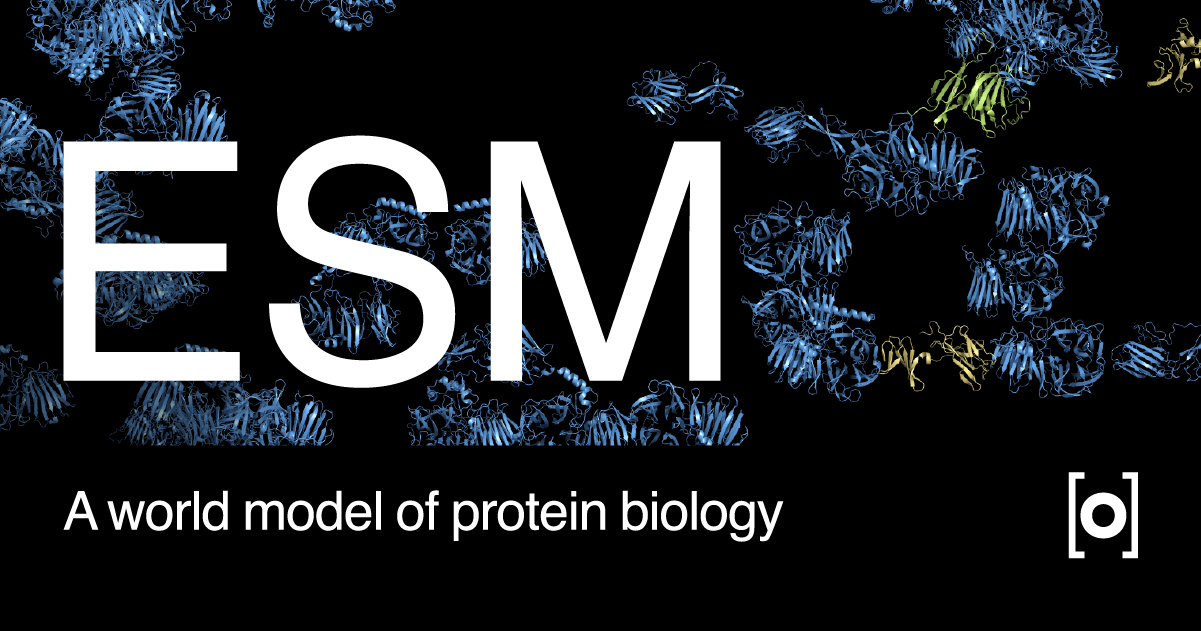
Biohub releases a world model of protein biology
Open AI models used for a wide range of scientific applications, including accelerating the design of therapeutic molecules.
Game Dev by @trezy.codes
Posts about all aspects of game development. Opt in with "game", followed by animation, art, audio, design, dev, jam, lighting, music, narrative, or writing. Opt out with #Private, #NoFeed, or #NoGameDev. Discuss at trezy.studio/discord. Support the feed at ko-fi.com/trezycodes.
Game Dev by @trezy.codes
Posts about all aspects of game development. Opt in with "game", followed by animation, art, audio, design, dev, jam, lighting, music, narrative, or writing. Opt out with #Private, #NoFeed, or #NoGameDev. Discuss at trezy.studio/discord. Support the feed at ko-fi.com/trezycodes.