


A debut of new research and analysis, focused on emotions and the affective register—love! shame! intimacy! What happens when we put lov...
Why Is There Shame in Talking About Shame?
Over the last few weeks, I’ve been reading a lot about shame. I’ve been keeping most of my thoughts about shame to myself—it’s not the kind of thing that you usually talk about with people.

The Big Idea: why you shouldn’t be afraid of being a mess
We fear others’ judgment, but the evidence tells us that the things which cause us shame can make us more likable

So You've Been Publicly Shamed | Penguin Random House Secondary Education
From the New York Times bestselling author of The Psychopath Test, a captivating and brilliant exploration of one of our world's most underappreciated forces: shame.

Against the Couple-Form | LIES Journal
Libidinal flows cut through the social world. Amorous and sexual relations do not exist in some domain safely taped off from the rest of society. Rather they are constituent elements of nearly every aspect of social life. Desire flows and circulates amongst places of employment, intellectual debates, political organizing, artistic circles, playgrounds, and cemeteries. The elderly patient grabs at the breast of a nurse hunched over him. A governmental official strips his newly hired intern down to her leopard print thong during an important briefing in his office. The incarcerated man holds his hand up to the glass of the visiting booth, attempting to touch his wife after twenty years of their bodily separation. These flows of libidinal desire operate within and amongst broader social mechanisms, such that they help animate the dynamics of economic and political life. Often a locus of politics, desire permeates the so-called ‘public’ terrain.
musings of a sad, seraphic slut - heart and soul ♡
a peek inside the heart and brain of soul
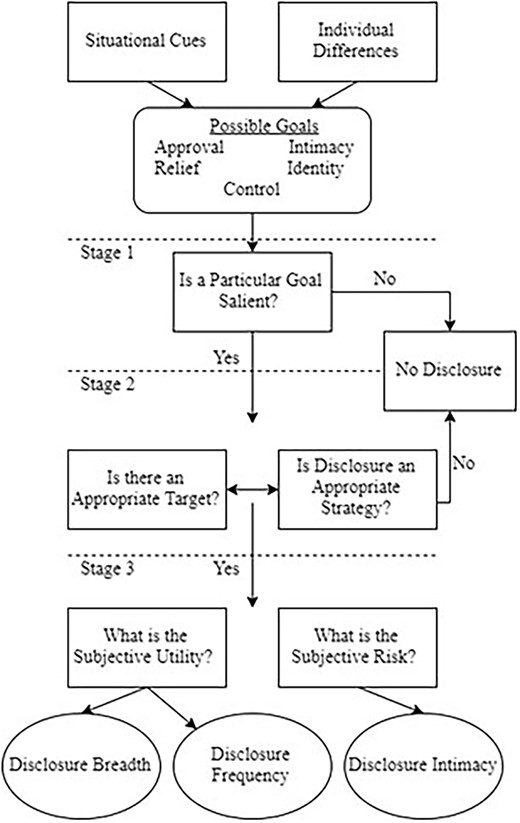
Digital Confessions: The Willingness to Disclose Intimate Information to a Chatbot and its Impact on Emotional Well-Being
Abstract Chatbots have several features that may stimulate self-disclosure, such as accessibility, anonymity, convenience and their perceived non-judgmental nature. The aim of this study is to investigate if people disclose (more) intimate information to a chatbot, compared to a human, and to what extent this enhances their emotional well-being through feelings of relief. An experiment with a 2 (human vs. chatbot) by 2 (low empathetic vs. high empathetic) design was conducted (N = 286). Results showed that there was no difference in the self-reported intimacy of self-disclosure between the human and chatbot conditions. Furthermore, people perceived less fear of judgment in the chatbot condition, but more trust in the human interactant compared to the chatbot interactant. Perceived anonymity was the only variable to directly impact self-disclosure intimacy. The finding that humans disclose equally intimate information to chatbots and humans is in line with the CASA paradigm, which states that people can react in a social manner to both computers and humans.
Opinion | What Emotions Are (and Aren’t) (Published 2015)
Most people believe that emotions are distinct, locatable entities inside us — but they’re not. No brain region is dedicated to any single emotion.

The empathy paradox
There’s an image of empathy we all know that is beautiful: the fullness of completely understanding someone else, the symbolic walk in shoes that are not one’s own. The knowledge that someone else can share a pain so acute that would otherwise seem unbearably solitary. It’s an image inherent to empathy’s definition, an image many believe in wholeheartedly. Several studies conducted by Stanford researchers alone suggest people are motivated to feel empathy, that empathy is highly associated with social desirability, that it is as beneficial as it is admired.
The Making Of Emotions, From Pleasurable Fear To Bittersweet Relief
Since ancient times, philosophers and scientists have viewed emotions as innate. In the latest Invisibilia, a psychologist argues that emotions spring from the sum of our experiences, not just wiring.
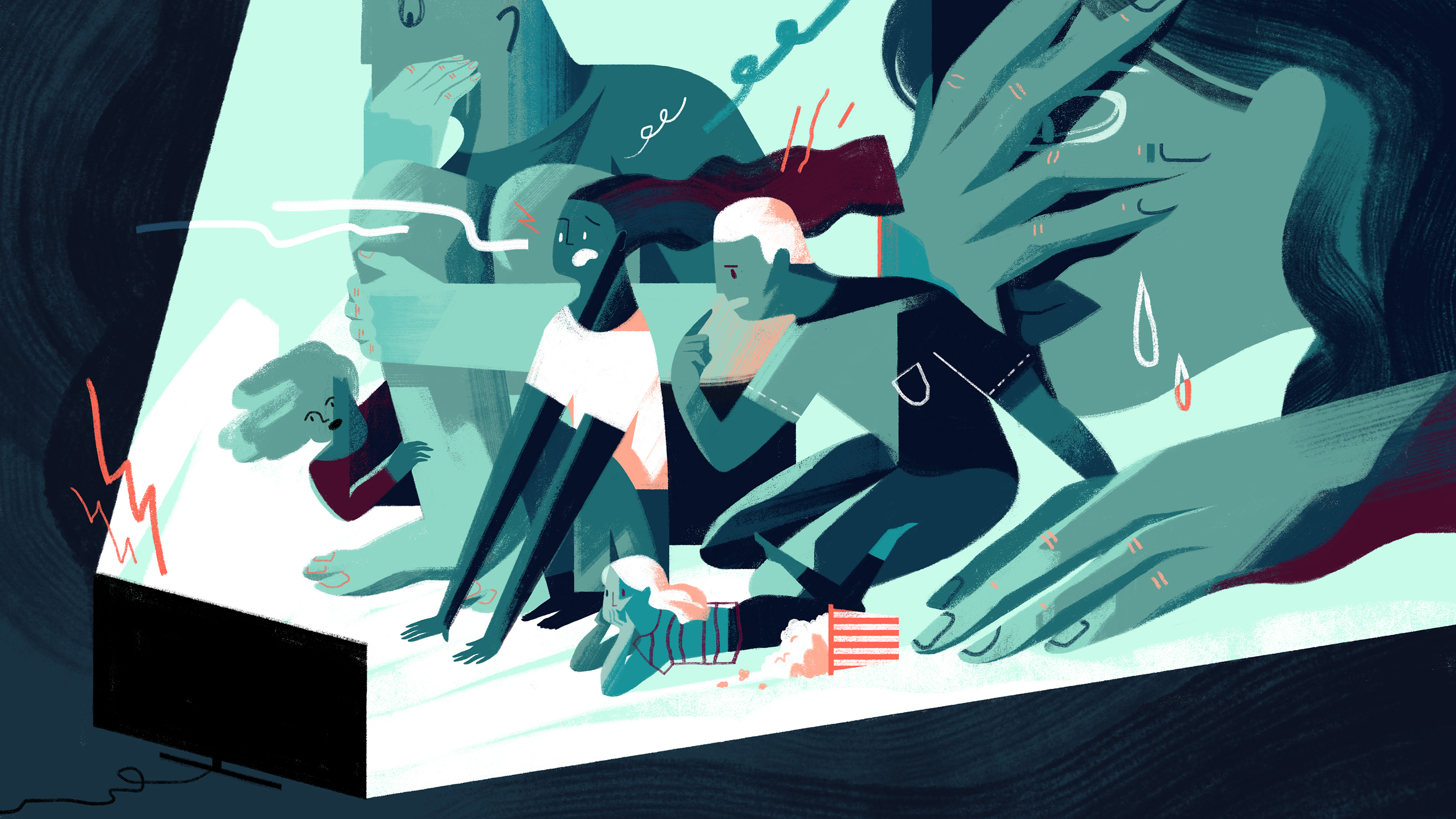
6 Ways to have Radically Intimate Sex. | elephant journal
True intimacy with a lover happens in the silent moments of presence and connectedness between words.

How social media is fueling an intense form of romantic obsession
The digital world is primed to fuel episodes of profound infatuation known as limerence.
The Central Paradox of Love: Esther Perel on Reconciling the Closeness Needed for Intimacy with the Psychological Distance That Fuels Desire
“Love rests on two pillars: surrender and autonomy. Our need for togetherness exists alongside our need for separateness. One does not exist without the other.”

I feel therefore I am: on holiday with my ape cousins | Aeon Essays
The more we learn about the emotions shared by all mammals, the more we must rethink our own human intelligence

The Secret to Emotional Freedom? Feel Everything

How Social Isolation Is Killing Us (Published 2016)
Research confirms our deepest intuition: Human connection lies at the heart of human well-being.
