


Stomach MRI images combined with functional fMRI of the brain activity have provided scientists new insight into how the brain listens to the stomach during eating. Research from Wageningen University ...
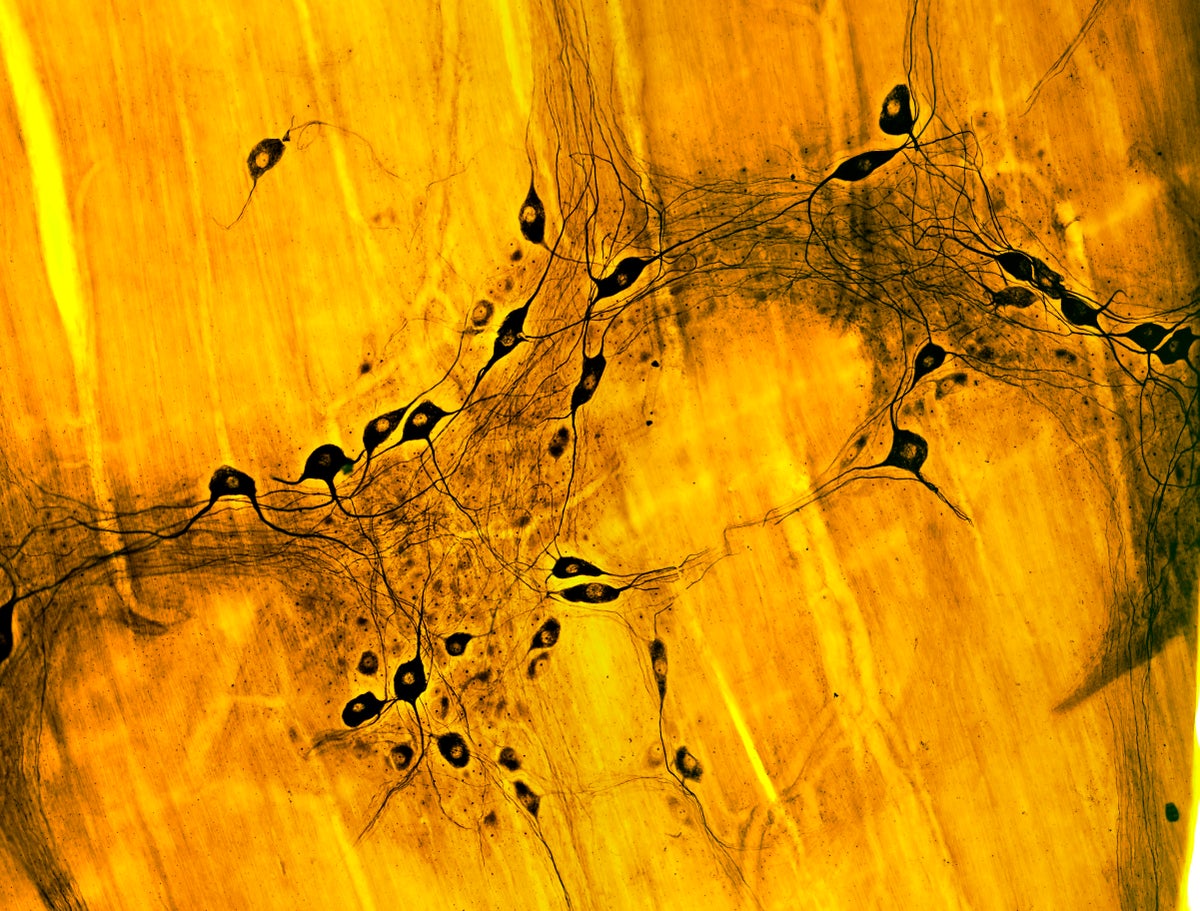
These neurons in the abdomen help form the gut-brain connection
Scientists have identified two types of brain cells in the abdomen that appear to control different aspects of digestion.
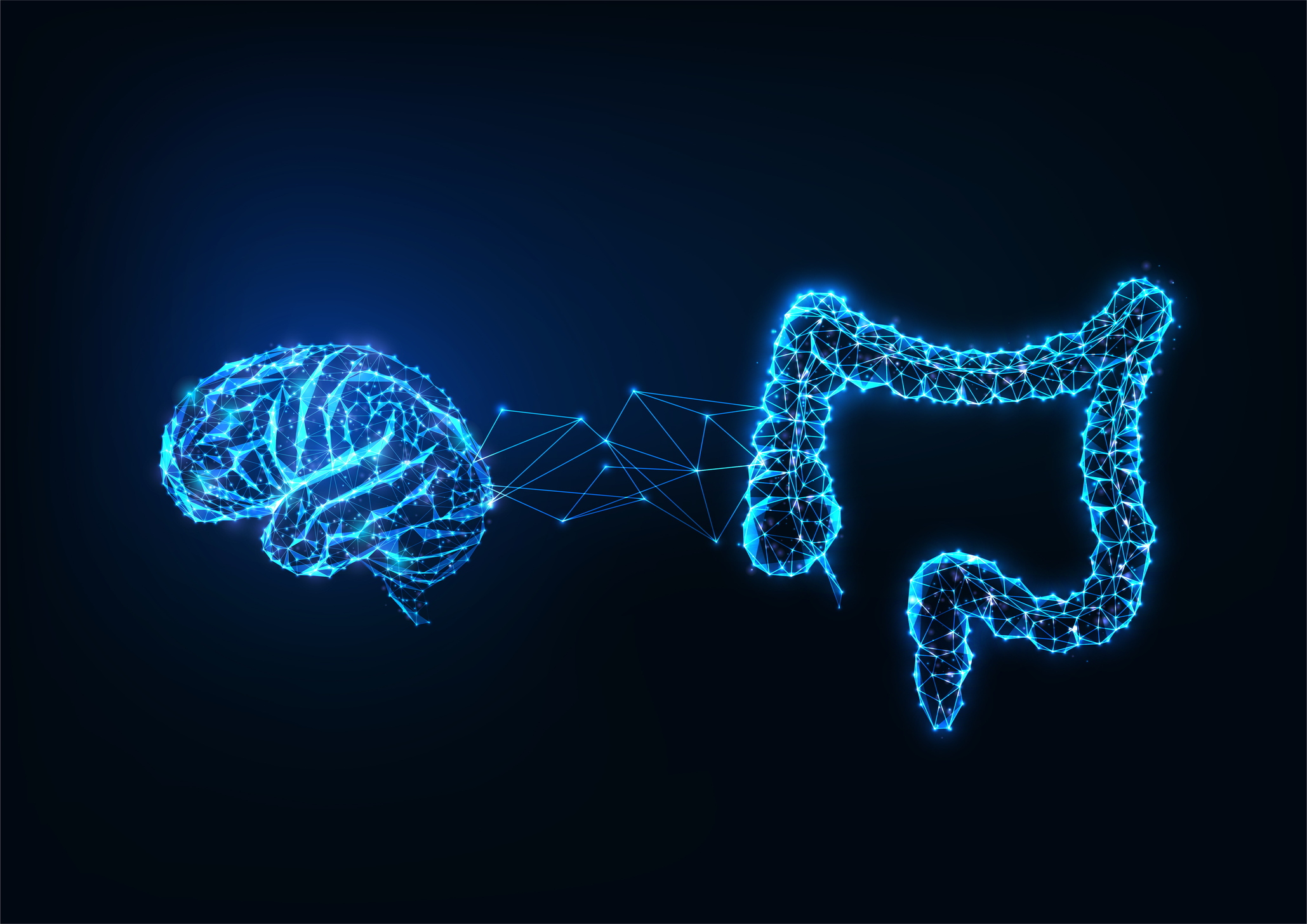
Think Twice: How the Gut's "Second Brain" Influences Mood and Well-Being
The emerging and surprising view of how the enteric nervous system in our bellies goes far beyond just processing the food we eat
Our second brain: More than a gut feeling
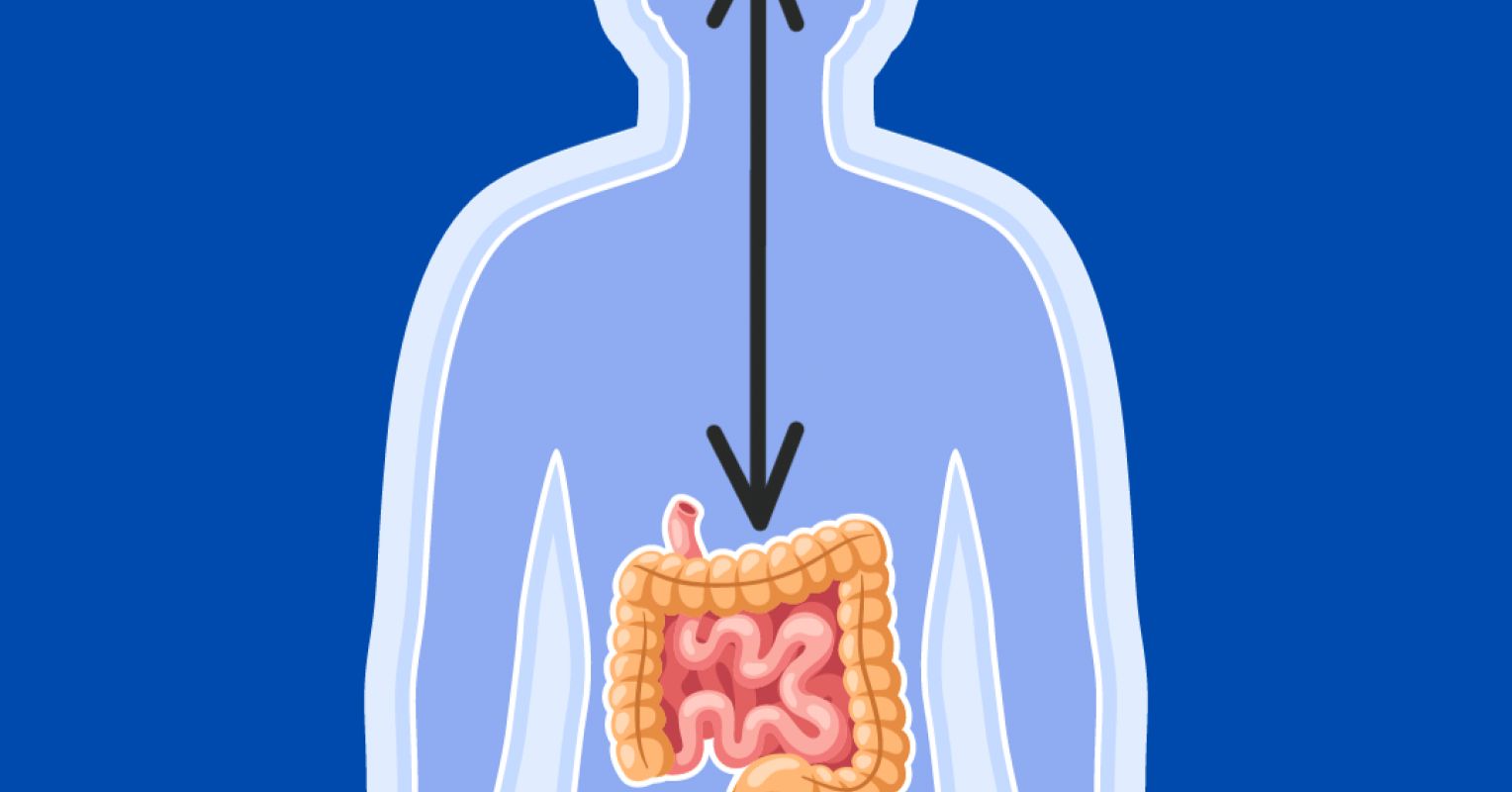
You don’t need a degree in neuroscience to suspect that the brain and gut are somehow connected. The feeling of “butterflies” in our stomach when we prepare to give a presentation, stress-induced stomach ulcers, emotional eating, and even our intuition showing up in the form of a “gut feeling,” all provide clues that the brain and gut are talking to each other.
Psychiatry and Inflammatory Conditions
Diet and gut health are essential components of mental health, and the gut-brain axis has progressed from an esoteric concept to a popular one.
Watching brains on acid using an MRI
Acid may limit the brain's ability to tell internal ideas from external events.

Gut Bacteria Might Guide The Workings Of Our Minds
Anxious mice calm down when they get an infusion of gut microbes from mellow mice. That has scientists wondering if gut microbes play a role in the human brain, too. Research on that is only just beginning. But it's intriguing to think there could be a real truth to the phrase "gut feelings."

Role of diet and its effects on the gut microbiome in the pathophysiology of mental disorders
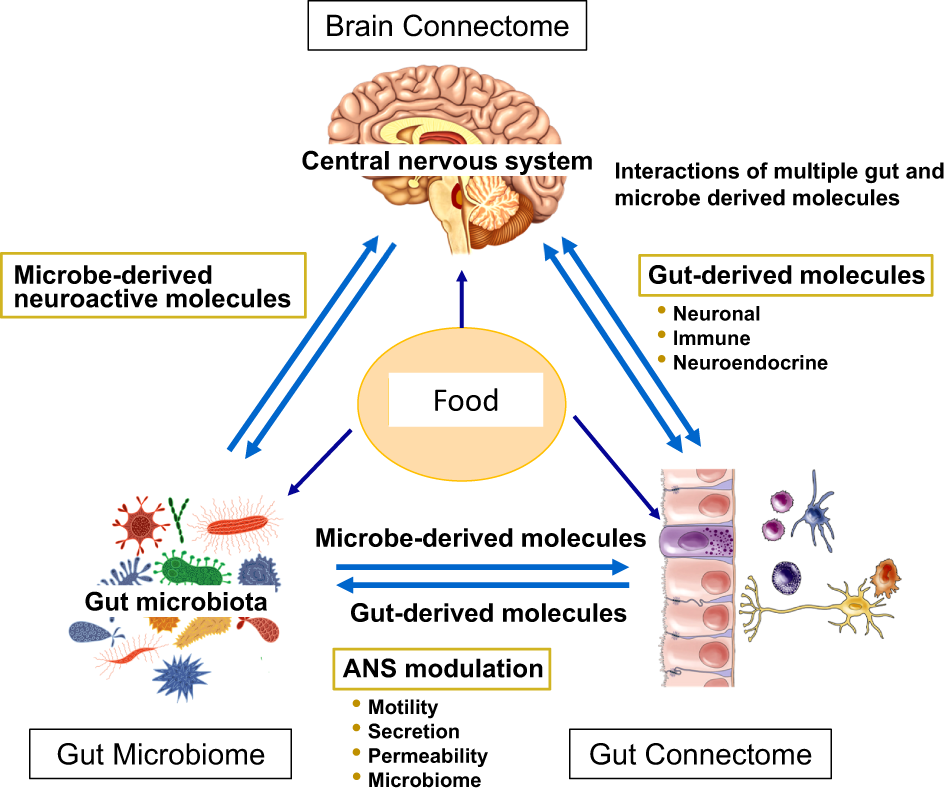
There is emerging evidence that diet has a major modulatory influence on brain-gut-microbiome (BGM) interactions with important implications for brain health, and for several brain disorders. The BGM system is made up of neuroendocrine, neural, and immune communication channels which establish a network of bidirectional interactions between the brain, the gut and its microbiome. Diet not only plays a crucial role in shaping the gut microbiome, but it can modulate structure and function of the brain through these communication channels. In this review, we summarize the evidence available from preclinical and clinical studies on the influence of dietary habits and interventions on a selected group of psychiatric and neurologic disorders including depression, cognitive decline, Parkinson’s disease, autism spectrum disorder and epilepsy. We will particularly address the role of diet-induced microbiome changes which have been implicated in these effects, and some of which are shared between different brain disorders. While the majority of these findings have been demonstrated in preclinical and in cross-sectional, epidemiological studies, to date there is insufficient evidence from mechanistic human studies to make conclusions about causality between a specific diet and microbially mediated brain function. Many of the dietary benefits on microbiome and brain health have been attributed to anti-inflammatory effects mediated by the microbial metabolites of dietary fiber and polyphenols. The new attention given to dietary factors in brain disorders has the potential to improve treatment outcomes with currently available pharmacological and non-pharmacological therapies.
Gut–brain link grabs neuroscientists
Idea that intestinal bacteria affect mental health gains ground.
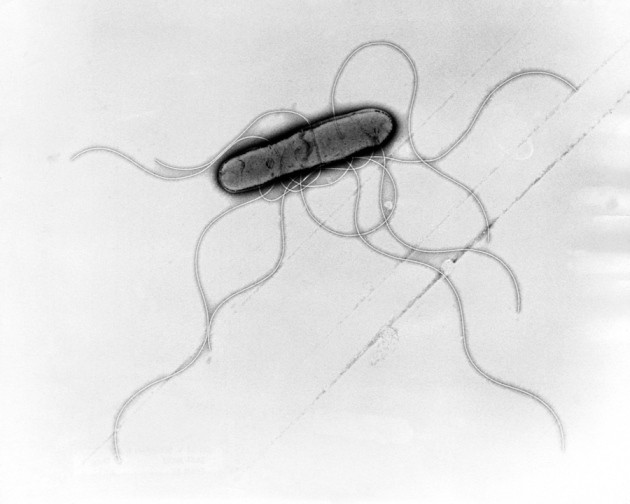
How Gut Bacteria Tell Their Hosts What to Eat
By suppressing or increasing cravings, microbes help the brain decide what foods the body “needs”

Psychobiotics & the Gut-Brain Connection | Qualia
Explore the fascinating world of psychobiotics and the gut-brain connection. Uncover the influence of gut health on mental well-being and cognition.

Intestinal drug shown to boost memory and cognition
The development of drugs to treat cognitive problems in patients with mental illness may be a step closer after a team of researchers discovered that an existing drug – used to treat constipation – may be able to boost our ability to think more clearly.
The Surprising Connection Between Your Stomach and Your Mind
The next frontier of medicine isn’t in the depths of an Amazon jungle or in an air-conditioned lab; it’s in the rich and mysterious bacterial swamp of ...

Eat Less of These Foods to Sharpen Your Brain, Science Says
What you eat affects your brain health.
How your morning coffee is changing the structure of your brain
A novel placebo-controlled study has found daily caffeine consumption can significantly reduce the volume of gray matter in the human brain. These findings do not immediately suggest caffeine negatively impacts the brain but instead points to how the drug may induce a temporary neural plasticity that researchers think warrants further investigation.
Bacteria in the gut have a direct line to the brain
With its 100 million neurons, the gut has earned a reputation as the body's "second brain"—corresponding with the real brain to manage things like intestinal muscle activity and enzyme secretions. A growing ...

Dance training is superior to repetitive physical exercise in inducing brain plasticity in the elderly
Animal research indicates that a combination of physical activity and sensory enrichment has the largest and the only sustaining effect on adult neuroplasticity. Dancing has been suggested as a human homologue to this combined intervention as it poses demands on both physical and cognitive functions. For the present exploratory study, we designed an especially challenging dance program in which our elderly participants constantly had to learn novel and increasingly difficult choreographies. This six-month-long program was compared to conventional fitness training matched for intensity. An extensive pre/post-assessment was performed on the 38 participants (63–80 y), covering general cognition, attention, memory, postural and cardio-respiratory performance, neurotrophic factors and–most crucially–structural MRI using an exploratory analysis. For analysis of MRI data, a new method of voxel-based morphometry (VBM) designed specifically for pairwise longitudinal group comparisons was employed. Both interventions increased physical fitness to the same extent. Pronounced differences were seen in the effects on brain volumes: Dancing compared to conventional fitness activity led to larger volume increases in more brain areas, including the cingulate cortex, insula, corpus callosum and sensorimotor cortex. Only dancing was associated with an increase in plasma BDNF levels. Regarding cognition, both groups improved in attention and spatial memory, but no significant group differences emerged. The latter finding may indicate that cognitive benefits may develop later and after structural brain changes have taken place. The present results recommend our challenging dance program as an effective measure to counteract detrimental effects of aging on the brain.