


Children of highly critical parents show less attention to emotional facial expressions, according to new research from Binghamton University, State University at New York.
The Tyranny of Parents
Most parents, and most adults, don’t like to think about parents as tyrants. Usually instead parents are framed as selfless and hard-working, while children are framed as entitled and needy. Kids are lovable, but also demanding and draining. Parents, we’re told in sitcoms and in parenting advice

What anxious parents of neurodivergent children can learn from Tim and Gwen Walz
The Walz family’s words and their embrace of their son may seem utterly unremarkable. But that’s the point.

New paradigm for psychology just dropped
OR: the ideas your mother warned you about

Gen Alpha 'iPad Kids' Have Emotional Intelligence Skills A Teacher Says She's Never Seen Before
A teacher shared her positive observation of the high emotional intelligence some of her Generation Alpha students have already begun fostering. With a healthy balance of media use and structured parenting, there is hope for the generation many label ‘iPad kids.’

Do newborn boys really tend to prefer a ‘mechanical object’ to a human face? Failure to assess the confounding effect of an exceptionally high caesarean section rate
We review a twenty year old paper on sex differences in human neonatal social perception, and identify a serious issue: a failure to assess whether the results were distorted by an exceptionally high Caesarean Section rate. This is in addition to a number of other methodological weaknesses, which together mean that there is too much ‘noise’ in the data to draw clear conclusions from the results. The paper’s stark conclusion to have ‘demonstrated’ biological sex differences is unsubstantiated and misleading, and it should no longer be considered a reliable reference point.
Why We’re Surrounding Our Kids with AI
A Contrarian Parenting Take by Simone and Malcolm Collins

Struggling with a Moral Panic Once Again
I have to admit that it’s breaking my heart to watch a new generation of anxious parents think that they can address the struggles their…

10 Things to Stop Saying to Your Kids (and What to Say Instead)
Current research shows that some of the most commonly used and seemingly positive phrases we use with kids are actually quite destructive. Despite our

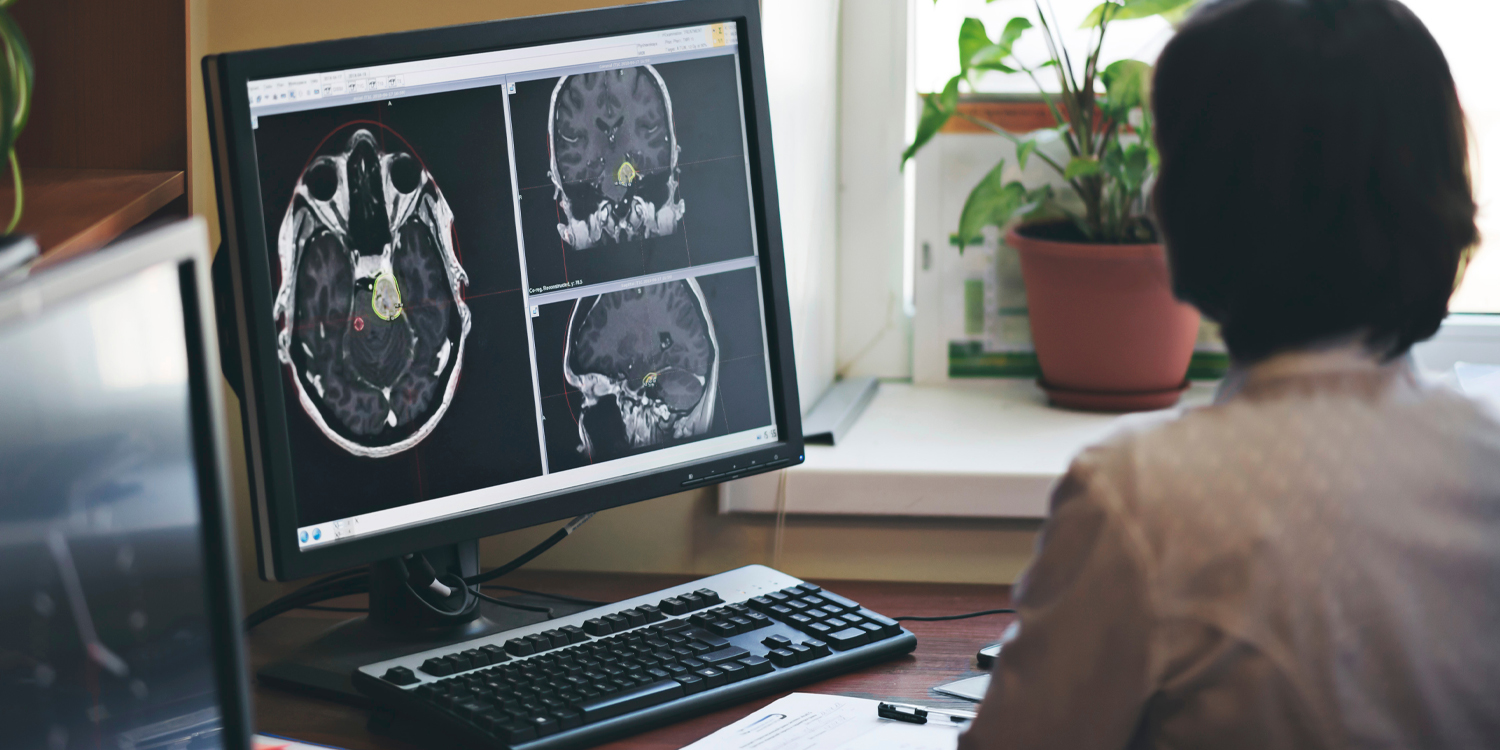
Brain scans suggest first graders don't engage their control networks like adults when talking to ChatGPT
Chatting with a chatbot seems easy, but a small brain imaging study suggests six-year-olds don’t yet coordinate their brain’s control networks the way adults do during the conversation, which the researchers say is why adult guidance matters.
The Power (and Peril) of Praising Your Kids -- New York Magazine - Nymag
What do we make of a boy like Thomas?

My Dad’s Annoying. I’m Annoying. What About My Daughter?
I’ve inherited my dad’s habit of saying and doing inappropriate things. Now I’m making sure my kid won’t follow suit.

Emotional Memory Cells Driving Empathy Discovered - Neuroscience News
Researchers have uncovered a brain mechanism in the prefrontal cortex that determines how animals respond to others’ emotions based on their own past experiences.

Negative Emotions Are Key to Well-Being
Feeling sad, mad, critical or otherwise awful? Surprise: negative emotions are essential for mental health
Want to Raise Well-Adjusted Children? Psychology Says Let Them See You Doing These 10 Things
This powerful parenting advice puts the 'show' in show and tell.

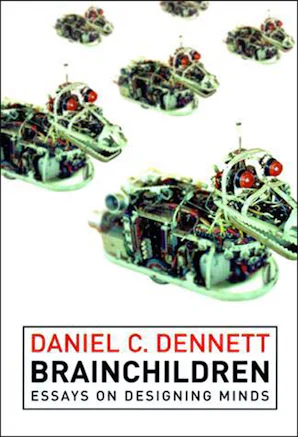
Brainchildren
Minds are complex artifacts, partly biological and partly social; only a unified, multidisciplinary approach will yield a realistic theory of how they came i...
The Human Face Is Far More Expressive Than We Thought
In a study that now seems embarrassingly overdue, scientists have tripled the list of human facial expressions from six to 21 — adding such emotions as
