


As you read this line, you're bringing each word into clear view for a brief moment while blurring out the rest, perhaps even ignoring the roar of a leaf blower outside. It may seem like a trivial skill, ...
Untangling Self-Observation From Self-Reflection
When self-observation and self-reflection are confused, awareness blurs. Untangling them—and adding agency—reveals a clear path from noticing to meaning to action.

Verbalizable Representations Form a Global Workspace in Language Models
If the mind is an ocean, we spend our lives floating at the surface. Beneath us, an enormous amount of processing takes place without our knowledge: our visual systems parsing the contours of a face, our motor circuits maintaining our posture. At any given moment, only a small fraction of this neural activity is accessible to us. Yet it is this privileged sliver of activity that we rely on to reason deliberately: to plan what ingredients to buy for a recipe, or to puzzle out why an engine won’t start. Such thoughts can be articulated out loud, deliberately held in mind, and brought to bear on whatever task the moment demands. This distinction, between our accessible thoughts and our unconscious processing, is perhaps the most striking feature of human cognition.
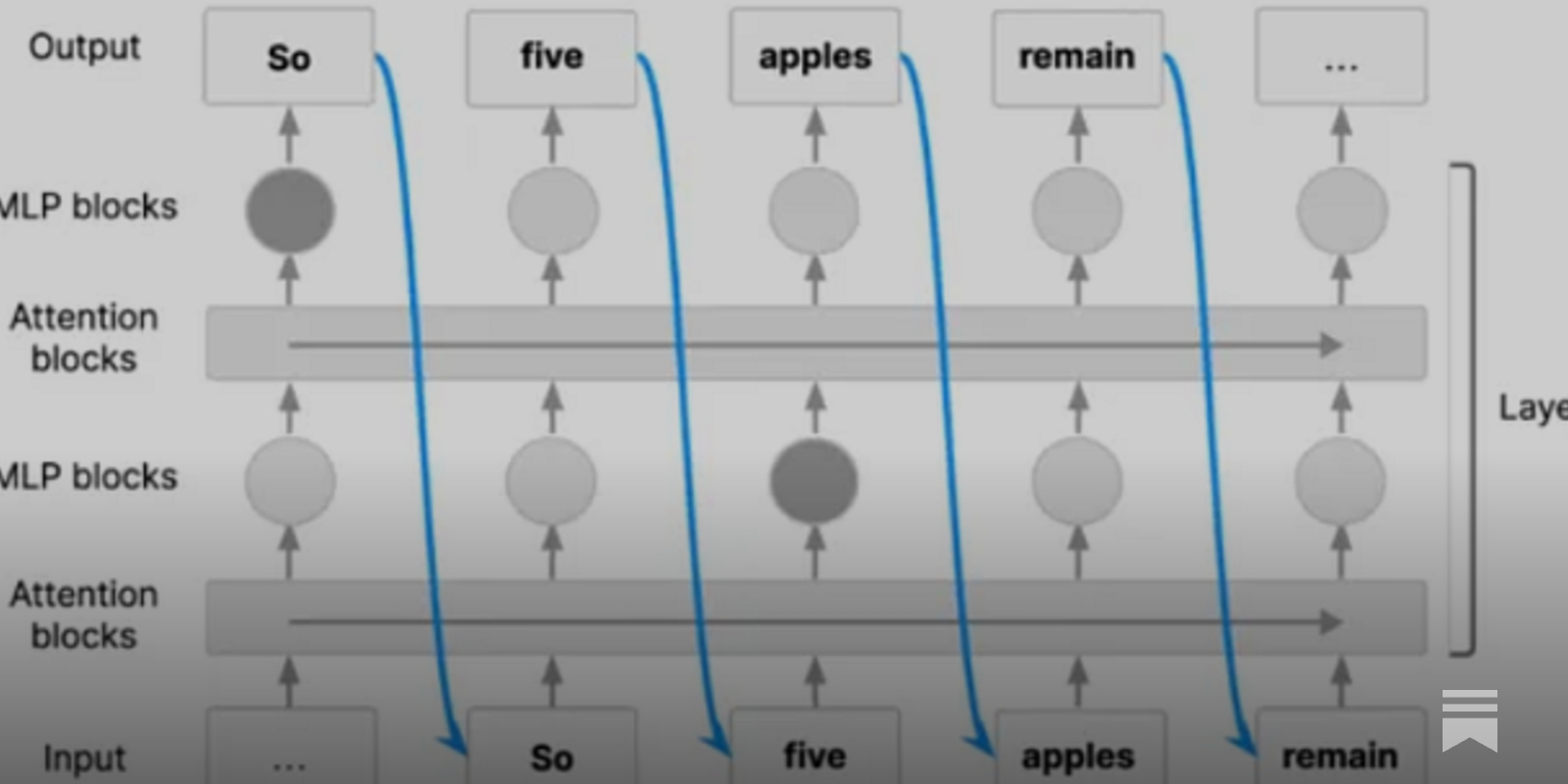
The Illusion of Clarity • Ness Labs
The illusion of clarity is the confident feeling that you understand something, when in reality your grasp is full of gaps you’ve never noticed.
The Breath of the Author
The palpable presence of someone else's mind in our best writing should give us pause about the encroachment of AI text


Our Language Affects What We See
A new look at “the Russian blues” demonstrates the power of words to shape perception
A deep-as-you-like dive into the ATmosphere
An unfinished multilayered explainer into how Bluesky and the rest of the ATmosphere works.
Your AI Use Is Breaking My Brain
AI writing is impossible to avoid, is making everything sound the same, and is driving us crazy.

the attention cottage – The Homebound Symphony
In the last few days I have come across, or had sent to me, anguished cries from people who have recently been dragged on social media and cannot fathom the injustice of it, and I find myself thinking: You haven’t figured this out yet? You complain about your words being taken out of context when you post them in an environment whose entire structure — as we have all known for fifteen years now — demands context collapse? How many more times do you plan to smack your head against that unyielding wall?
Anatomy of a Nature AI article
Edgy first paragraph in bold text saying something gently provocative but essentially brainless.
Writing Is Thinking
When you write about your work, it makes all of us smarter for the effort, including you. Done well, this kind of sharing means you’re contributing signal, instead of noise. But writers are made, n…

