Just a few doses of an experimental drug can reverse age-related declines in memory and mental flexibility in mice, according to a new study by UC San Francisco scientists. The drug, called ISRIB, has ...
Drug Reverses Age-Related Mental Decline Within Days In Mice
In the new study, UCSF researchers showed rapid restoration of youthful cognitive abilities in aged mice, accompanied by a rejuvenation of brain and immune cells that could help explain improvements in brain function.

Aging Mice Have Memory And Cognitive Declines Reversed With An Experimental Drug
A small-molecule drug named ISRIB quickly and safely restores to old mice youthful levels of cognitive function. Alphabet Inc.’s Biotech Firm Calico holds the license to ISRIB.

Drug reverses age-related cognitive decline in a matter of days by erasing 'blockages'
Researchers say brain damage, thought to be irreversible, may be able to be repaired with a single treatment overnight.

Study Reveals a Surprising Cause of Cognitive Decline—and the Key to Reversing It
Researchers pinpoint a lone protein that speeds up the dysfunction of an aging brain. Eliminating it, they claim, can reverse the damage. But there are big hurdles before a treatment is approved.

Drug 'reverses' ageing in animal tests
Mice had more stamina, hair and improved organ function with the drug.

New Drug Reverses Neural and Cognitive Effects of a Concussion - Slashdot
An anonymous reader quotes a report from SciTechDaily: ISRIB, a tiny molecule identified by the University of California, San Francisco (UCSF) researchers can repair the neural and cognitive effects of concussion in mice weeks after the damage, according to a new study. ISRIB blocks the integrated s...

Success of experimental Alzheimer’s drug hailed as ‘historic moment’
Study shows cognition in early-stage patients on lecanemab declines by 27% less than those on placebo
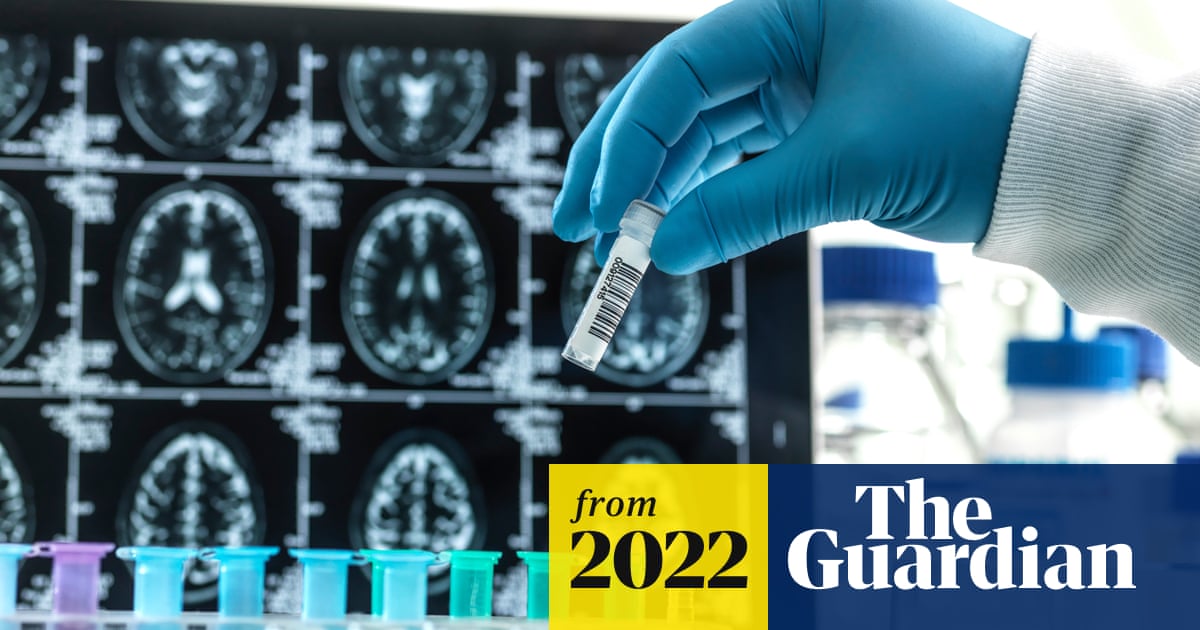
Switching Off One Crucial Protein Appears to Reverse Brain Aging in Mice - Slashdot
A research team just discovered older mice have more of the protein FTL1 in their hippocampus, reports ScienceAlert. The hippocampus is the region of the brain involved in memory and learning. And the researchers' paper says their new data raises "the exciting possibility that the beneficial effec...
The gut microbiome may influence brain aging, mouse study suggests
A communication pathway between the brain and the gut may be integral to how well the brain holds on to memories

Small Trial Reverses a Year of Alzheimer's Cognitive Decline in Just Two Months
The next step is a clinical trial with 150 people.

Scientists Claim They've Reversed Aging in Mice - Slashdot
"In molecular biologist David Sinclair's lab at Harvard Medical School, old mice are growing young again," reports CNN: Using proteins that can turn an adult cell into a stem cell, Sinclair and his team have reset aging cells in mice to earlier versions of themselves. In his team's first breakthrou...

Intestinal drug shown to boost memory and cognition
The development of drugs to treat cognitive problems in patients with mental illness may be a step closer after a team of researchers discovered that an existing drug – used to treat constipation – may be able to boost our ability to think more clearly.
Higher doses of omega-3 supplements may be needed for averting cognitive decline
For years, a scientific puzzle has bedeviled researchers aiming to fight Alzheimer's disease, a common and incurable form of dementia.
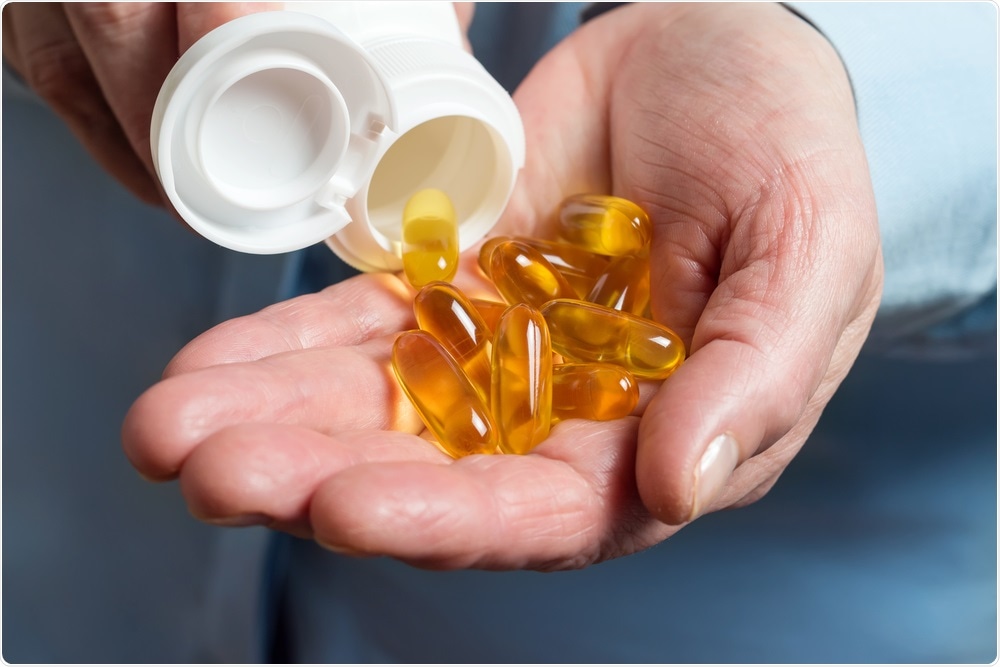
Surprise Link Between Menthol And Alzheimer's Found in Mice
Could inhaling menthol help fight the disease?

Superagers' 'Secret Ingredient' May Be the Growth of New Brain Cells - Slashdot
alternative_right shares a report from ScienceAlert: According to a study of 38 adult human brains donated to science, superagers -- people who retain exceptional memory as they age -- have roughly twice as many immature neurons as their peers who age more typically. Moreover, people with Alzheimer'...
Learning What Substance Is Suspected of Causing Alzheimer’s May Throw You Into an Existential Crisis
A surprisingly common substance was found to have a causal relationship with the kind of brain damage associated with Alzheimer's disease.