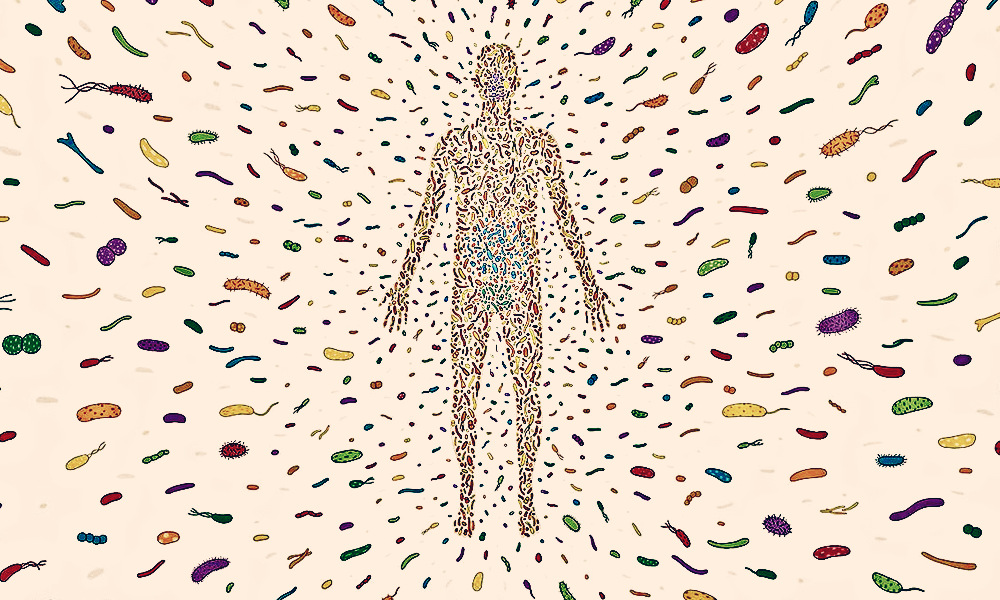
In a first, researchers at the UC San Francisco have successfully used the DNA-editing system, CRISPR to alter the genomes of bacteria living in the guts of mammals, a development which stands to advance ...
New, reversible CRISPR method can control gene expression while leaving underlying DNA sequence unchanged
Over the past decade, the CRISPR-Cas9 gene editing system has revolutionized genetic engineering, allowing scientists to make targeted changes to organisms' DNA. While the system could potentially be ...

Crispr Could Revolutionize the Way We Eradicate Invasive Species
Gene editing isn't brutal like poison, but it could transform our power over nature.

How DNA Editing Could Change Life on Earth
Researchers hope to use the powerful biological tool to alter the genetic destiny of species and eliminate diseases.

Researchers Create Bacteria That Could Protect Your Gut From Antibiotics - Slashdot
In a new study published in the journal Nature Biomedical Engineering, researchers from Harvard and MIT detail work they've done on a "living cellular therapeutic device" that promises to protect humans from the harmful side effects antibiotics can have on our guts. Engadget reports: Per Science Da...

(PDF) Highly efficient genome editing using oocyte-specific z cas9 transgenic zebrafish
PDF | Since its first application, CRISPR/Cas9 rapidly becomes a routine technique to perform genome editing in a variety of biological systems. To... | Find, read and cite all the research you need on ResearchGate

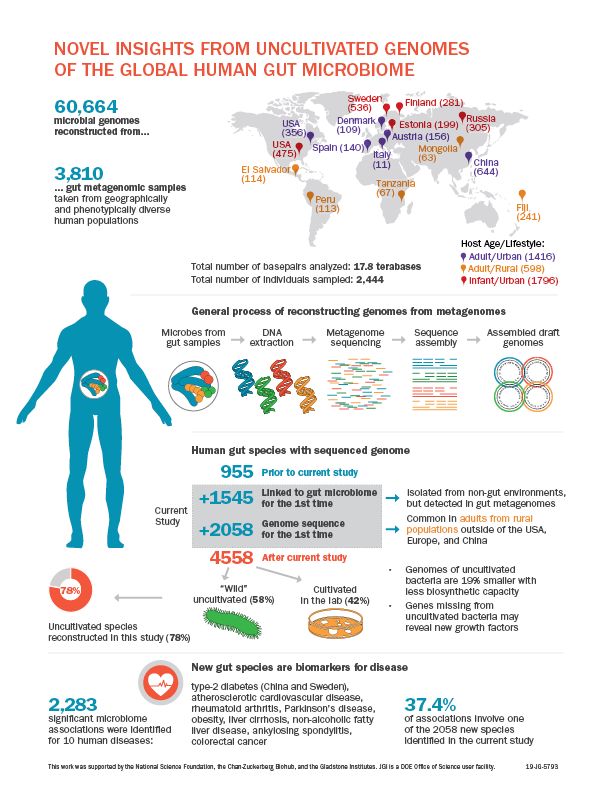
Uncovering Uncultivated Microbes in the Human Gut
Previous studies have estimated that only 50 percent of species in the gut microbiome have a sequenced genome, in part because many species have not yet been cultivated for study.
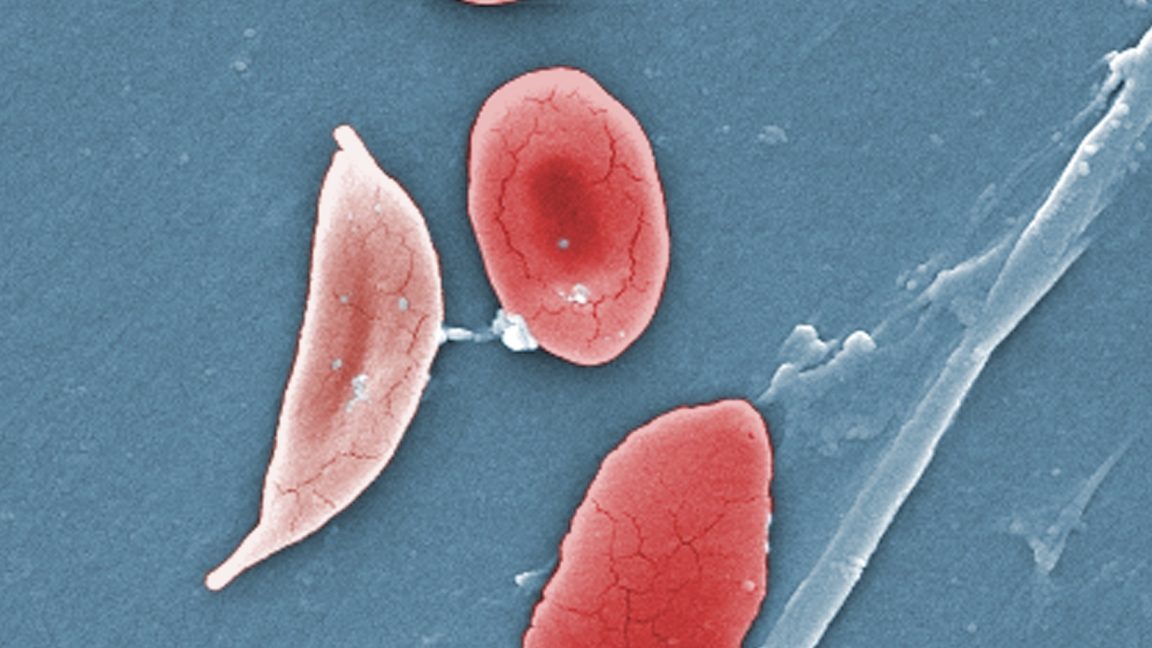
FDA approves first CRISPR therapy—here’s how it works against sickle cell
The landmark treatment turns on another blood protein that prevents sickling.
Diet plan tailored to your gut microbiome could lower disease risk
An international team of researchers led from London analysed the diet, health and gut microbiomes of more than 1,100 participants from the UK and the US.

What major scientific breakthroughs have been made in gut microbiome science in 2020?
Although the COVID-19 pandemic has shifted the focus of research for scientists worldwide, major breakthroughs in gut microbiome science have been made in 2020. In this last post of the year, we bring you articles from our blog that cover the major advances in the gut microbiome in 2020, from bench to bedside.

AI-designed nucleases build on nature’s design
Researchers used AI to create variants of a CRISPR-Cas12-like nuclease, some of which show increased editing activity

DEF CON 25 - John Sotos - Genetic Diseases to Guide Digital Hacks of the Human Genome
CRISPR Now Cuts and Splices Whole Chromosomes - Slashdot
Researchers report they've adapted CRISPR and combined it with other tools to cut and splice large genome fragments with ease. The study, conducted by researchers at the Medical Research Council (MRC) Laboratory of Molecular Biology in Cambridge, U.K., has been published in this week's issue of Scie...

Scientists discover a way to kill dangerous gut bacteria without killing the good
Scientists have discovered a natural compound that targets dangerous C. difficile bacteria without wiping out the gut's beneficial microbes. Successful early tests suggest it could lead to a gentler, more effective treatment for stubborn intestinal infections that frequently return.

This Is The Absolute Easiest Way To Take Your Gut Health From Subpar To Thriving
It's time to make your microbiome a priority.

Prime editing-installed suppressor tRNAs for disease-agnostic genome editing
Precise genome-editing technologies such as base editing1,2 and prime editing3 can correct most pathogenic gene variants, but their widespread clinical application is impeded by the need to develop new therapeutic agents for each mutation. For diseases that are caused by premature stop codons, suppressor tRNAs (sup-tRNAs) offer a more general strategy. Existing approaches to use sup-tRNAs therapeutically, however, require lifelong administration4,5 or show modest potency, necessitating potentially toxic overexpression. Here we present prime editing-mediated readthrough of premature termination codons (PERT), a strategy to rescue nonsense mutations in a disease-agnostic manner by using prime editing to permanently convert a dispensable endogenous tRNA into an optimized sup-tRNA. Iterative screening of thousands of variants of all 418 human tRNAs identified tRNAs with the strongest sup-tRNA potential. We optimized prime editing agents to install an engineered sup-tRNA at a single genomic locus without overexpression and observed efficient readthrough of premature termination codons and protein rescue in human cell models of Batten disease, Tay-Sachs disease and cystic fibrosis. In vivo delivery of a single prime editor that converts an endogenous mouse tRNA into a sup-tRNA extensively rescued disease pathology in a model of Hurler syndrome. PERT did not induce detected readthrough of natural stop codons or cause significant transcriptomic or proteomic changes. Our findings suggest the potential of disease-agnostic therapeutic genome-editing approaches that require only a single composition of matter to treat diverse genetic diseases.
The Invisible Organ Shaping Our Lives: Milestones in Human Microbiota Research - The MIT Press Reader
A survey of over 300 years of microbiome research.