

Although immunologists have developed a deep reservoir of knowledge illuminating how antibodies respond to vaccination against SARS-CoV-2, little is known about the elusive cells that produce infection-fighting ...
SARS-CoV-2 infects coronary arteries, increases plaque inflammation
NIH-funded research sheds light on link between COVID-19 infection and increased risk of cardiovascular disease and stroke.
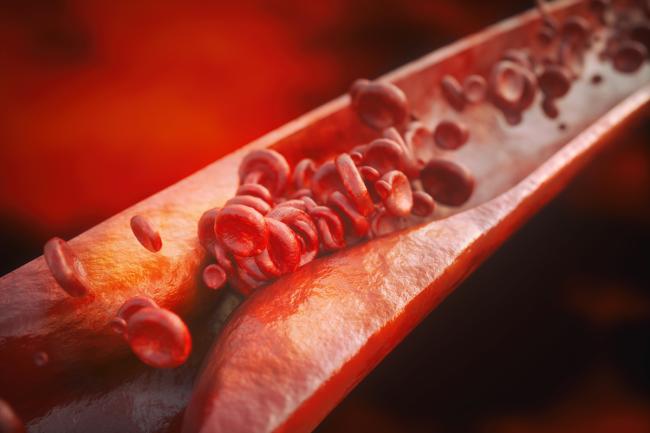
The CDC whispered this a year ago. “SARS-CoV-2 can have lasting effects on nearly every organ & organ system of the body weeks, months, & potentially years after infection. Documented serious post-Covid conditions include cardiovascular, pulmonary, neurological, renal, endocrin
The CDC whispered this a year ago. “SARS-CoV-2 can have lasting effects on nearly every organ & organ system of the body weeks, months, & potentially years after infection. Documented serious post-Covid conditions include cardiovascular, pulmonary, neurological, renal,… pic.twitter.com/xkSStj51y2— Laura Miers (@LauraMiers) March 9, 2024

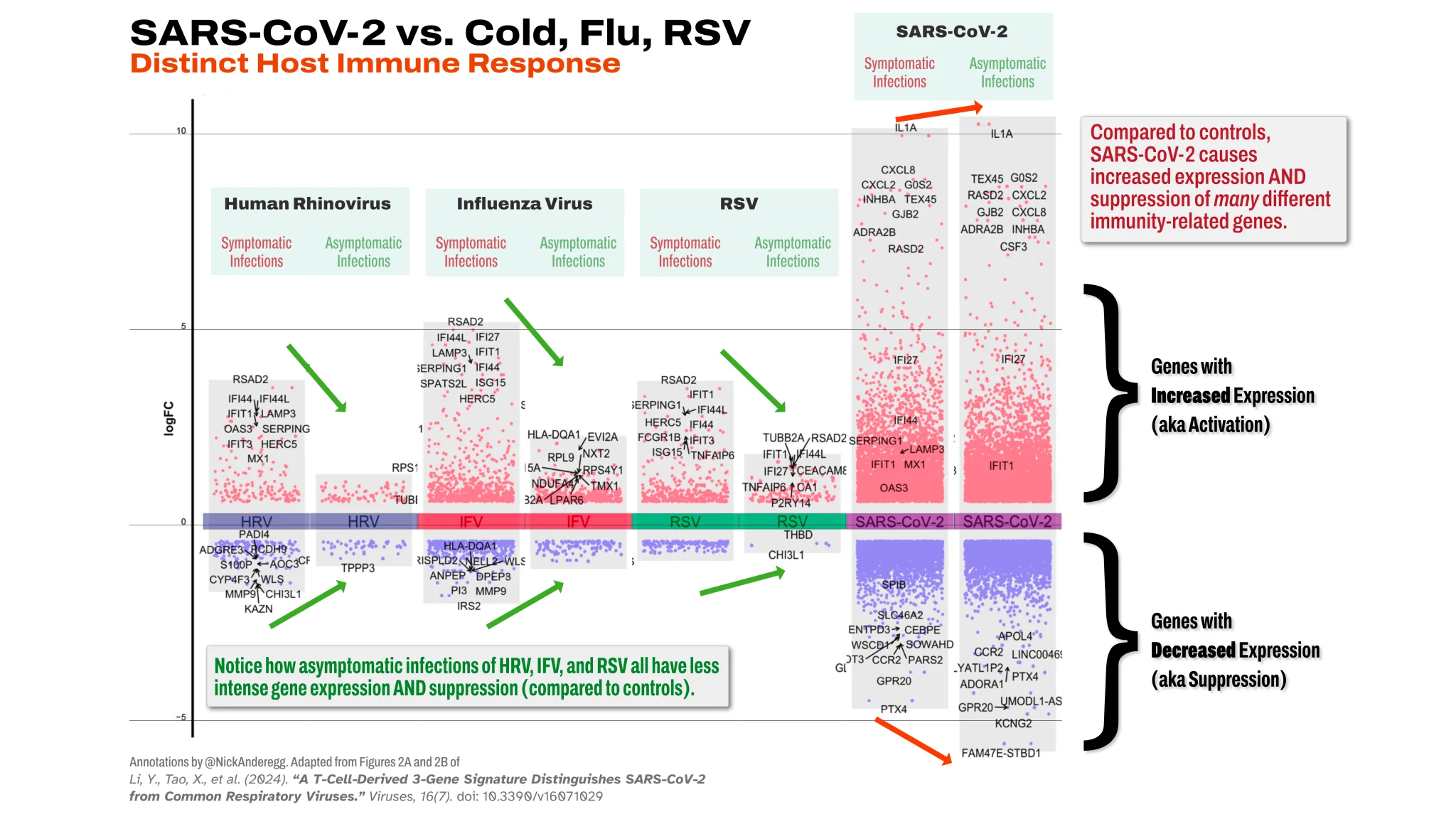
GUESS WHAT?! A new study has shown SARS-CoV-2 infection is DISTINCT from common respiratory viruses! Unequivocally, COVID is NOT "just a cold." These findings are HUGELY significant, for multiple reasons! Here's a breakdown of the study (writt
GUESS WHAT?! A new study has shown SARS-CoV-2 infection is DISTINCT from common respiratory viruses!Unequivocally, COVID is NOT "just a cold."These findings are HUGELY significant, for multiple reasons! Here's a breakdown of the study (written for a general audience)...1/16 pic.twitter.com/P7NJL2STJQ— Nick #RespiratorsFilterAllPathogens😷 Anderegg (@NickAnderegg) July 7, 2024
COVID-19 Vaccine Effectiveness and Safety for the 2026-2027 Respiratory Season
This Special Communication aims to identify and summarize the most recently published evidence evaluating the effectiveness and safety of US-licensed COVID-19 vaccines and report on the epidemiology of SARS-CoV-2 in the US.

Four ways COVID changed virology: lessons from the most sequenced virus of all time
After 150,000 articles and 17 million genome sequences, what has science taught us about SARS-CoV-2?
How COVID Might Sow Chaos in the Brain
SARS-CoV-2 appears to travel widely across the cerebral cortex

COVID-19 Vaccine Effectiveness and Safety for the 2026-2027 Respiratory Season
Importance SARS-CoV-2 remains a substantial cause of respiratory illness, morbidity, and mortality. Evidence to date has demonstrated that COVID-19 vaccines reduce the risk of severe disease, including hospitalization and death. Objective This systematic review identifies and summarizes newly published studies reporting on the effectiveness and safety of COVID-19 vaccines and COVID-19 epidemiology in the US. Evidence Review Cochrane Central Register of Controlled Trials, PubMed/MEDLINE, Embase, and Scopus were searched from August 1, 2025, through June 29, 2026. Studies were eligible if they reported on the effectiveness, efficacy, or safety of a US-licensed COVID-19 vaccine or SARS-CoV-2 epidemiology in the US. Findings From 11 829 identified references, 155 publications were eligible (15 randomized clinical trials, 84 observational studies with a comparator group, 38 product safety studies without a comparator group [single group], and 18 descriptive studies of disease burden). Consistent with prior evidence, studies reported that updated COVID-19 vaccines were associated with a reduction in the risk of hospitalization among both older adults (≥65 years; vaccine effectiveness [VE], 53.0%; 95% CI, 37.0%-65.0%; 2025-2026 season) and adults (18-64 years; VE, 54.0%; 95% CI, 1.0%-78.0%; 2024-2025 season). Maternal vaccination was associated with reduced risk of COVID-19–associated emergency department/urgent care encounters among individuals vaccinated (VE, 58.0%; 95% CI, 24.0%-77.0%) and with fewer COVID-19–related hospital contacts in the first 2 months of life among infants born subsequently (VE range, 50.0%-54.0%), regardless of trimester of vaccination. Vaccination was also associated with a significant reduction in COVID-19–related pediatric emergency department visits (9 months to 4 years; VE, 76.0%; 95% CI, 58.0%-87.0%). Vaccination was associated with a reduced risk of critical COVID-19 illness (intensive care unit admission or death) in immunocompromised adults (VE range, 32.0%-53.0%, depending on condition and other factors). Health care personnel who received 3 to 5 vaccine doses were less likely to develop laboratory-confirmed COVID-19 illness (VE, 41.0%; 95% CI, 34.0%-47.0%) and postacute COVID-19 symptoms (VE, 57.0%; 95% CI, 46.0%-66.0%) compared with those who received only 2 doses. Across adverse events of special interest (eg, stroke, thrombosis, myocarditis), safety profiles were consistent with those of previous reviews. No identified studies conducted under the updated guidance on extended dosing intervals for the primary series reported an increased risk of myocarditis or pericarditis. No new safety signals were reported in the recently published studies eligible for this updated review of US-licensed COVID-19 vaccines. Conclusions and Relevance COVID-19 vaccines were consistently associated with a reduction in the risk of hospitalization and other outcomes, including among individuals at high risk of severe COVID-19, such as infants, and those who were pregnant. No new safety concerns were identified.
outbreak.info SARS-CoV-2 data explorer
Repurposing the estrogen receptor modulator raloxifene to treat SARS-CoV-2 infection
The ongoing coronavirus disease 2019 (COVID-19) pandemic caused by the novel severe acute respiratory syndrome coronavirus 2 (SARS-CoV-2) necessitates strategies to identify prophylactic and therapeutic drug candidates to enter rapid clinical development. This is particularly true, given the uncertainty about the endurance of the immune memory induced by both previous infections or vaccines, and given the fact that the eradication of SARS-CoV-2 might be challenging to reach, given the attack rate of the virus, which would require unusually high protection by a vaccine. Here, we show how raloxifene, a selective estrogen receptor modulator with anti-inflammatory and antiviral properties, emerges as an attractive candidate entering clinical trials to test its efficacy in early-stage treatment COVID-19 patients.

Inside the body, the coronavirus is even more sinister than scientists had realized
Cells hijacked by the coronavirus grow long, streaming tentacles to reach out to new victims, scientists found. This could complicate the search for a vaccine.

COVID-19 Virus Does Not Infect Human Brain Cells, Study Suggests - Slashdot
An anonymous reader quotes a report from The Guardian: The virus that causes Covid-19 does not infect human brain cells, according to a study published in the journal Cell. The findings will raise hopes that the damage caused by Sars-CoV-2 might be more superficial and reversible than previously fea...

The 300-year journey to the covid vaccine: From inoculation to RNA
The history of immunization technology is a quest to achieve immunity with ever-more safety and ever-fewer side effects
OSTEOIMMUNOLOGY: Interplay Between the Immune System and Bone Metabolism
Studies of bone and the immune system have converged in recent years under the banner of osteoimmunology. The immune system is spawned in the bone marrow reservoir, and investigators now recognize that important niches also exist there for memory lymphocytes. At the same time, various factors produced during immune responses are capable of profoundly affecting regulation of bone. Mechanisms have evolved to prevent excessive interference by the immune system with bone homeostasis, yet pathologic bone loss is a common sequela associated with autoimmunity and cancer. There are also developmental links, or parallels, between bone and the immune system. Cells that regulate bone turnover share a common precursor with inflammatory immune cells and may restrict themselves anatomically, in part by utilizing a signaling network analogous to lymphocyte costimulation. Efforts are currently under way to further characterize how these two organ systems overlap and to develop therapeutic strategies that benefit from this understanding.

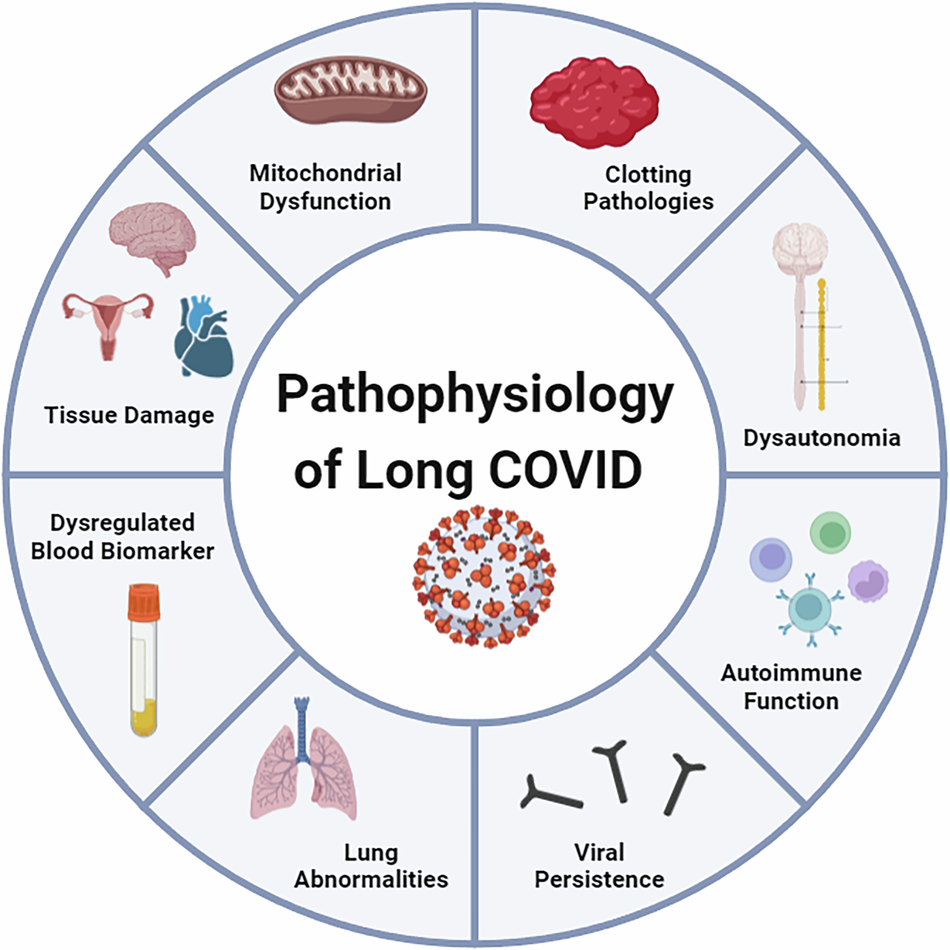
Current status and future perspectives on the mechanistic and pathophysiological understanding of long COVID
Viral and infectious illnesses can exert profound and enduring effects on population health and well-being. In the aftermath of SARS-CoV-2 infection, post-acute sequelae, collectively referred to as Long COVID, have emerged as a major global health challenge, affecting more than 400 million people and contributing to estimated annual economic costs exceeding $1 trillion. Long COVID encompasses a wide and heterogeneous spectrum of debilitating symptoms, including cognitive dysfunction, sleep disturbances, severe fatigue, and post-exertional malaise. Despite its substantial burden, fundamental uncertainties remain regarding its underlying pathophysiology, the development of robust diagnostic criteria, and the identification of effective therapeutic options. This review synthesises current evidence on the biological mechanisms thought to contribute to Long COVID, spanning immune dysregulation, viral persistence, autonomic dysfunction, microvascular pathology, and other emerging hypotheses. We examine advances and limitations in contemporary diagnostic approaches and critically appraise existing treatment strategies, highlighting inconsistencies and gaps that hinder clinical consensus. By integrating interdisciplinary insights, this review underscores the urgent need for mechanistic clarity, validated diagnostic frameworks, and rigorously evaluated treatment pathways. Addressing these gaps will be essential to developing effective, evidence-based management strategies and mitigating the long-term impact of Long COVID on global health.
THIS IS HUGE! Researchers at Stanford University have developed a dual-antibody treatment that remains effective against ALL SARS-CoV-2 variants by targeting a less-mutable part of the virus. This breakthrough could lead to longer-lasting therapies that OUTPACE viral evolution. 🧪🧵⬇️
COVID-19

About the disease itself and/or SARS-CoV-2

49% of COVID infections are asymptomatic according to Yale School of Public Health. Yale advises layered protection: N95 masks, HEPA filters…
doi.org
