The relationship between creativity and mental health has attracted the interest of many psychologists over the past decades. Some past studies have found that creativity is sometimes linked to mental ...
What Makes Us Smart?
Human creativity does not solely rely on our individual cognitive abilities, but instead emerges from the recombination of ideas, practices, and approaches that result from social interactions and id...

Why Your Brain Needs More Downtime
Research on naps, meditation, nature walks and the habits of exceptional artists and athletes reveals how mental breaks increase productivity, replenish attention, solidify memories and encourage creativity

Combinatorial Creativity
Combinatorial creativity recombines existing ideas to spark novel, valuable innovations in cognition, AI, and design.
(PDF) The Four-C Model of Creativity: Culture and Context
PDF | In this chapter, we highlight the Four-C Model of creativity, which traces creative development from mini-c (personal creativity) to little-c... | Find, read and cite all the research you need on ResearchGate

How to be more creative in seconds!
Beyond the Artifact: Power as a Lens for Creativity Support Tools
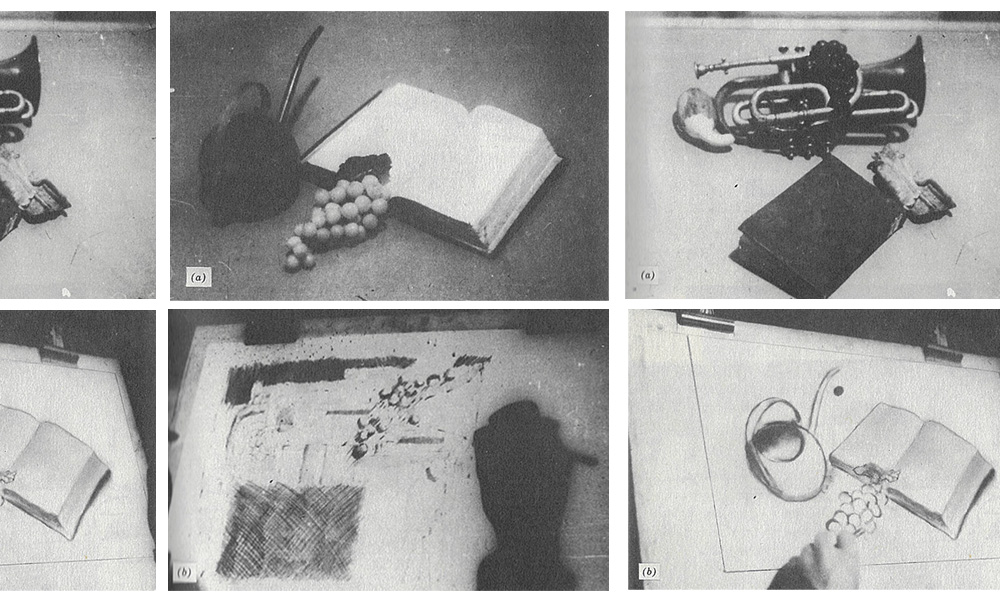
The 1960s Art School Experiment That Redefined Creativity
A groundbreaking study revealed that the most compelling artists seek to find problems, not solve them.
Creativity Is Not a Scarce Commodity
“Creativity”—an original action or object—occurs frequently. Usually praised in the abstract, it’s seldom recognized or rewarded in ordinary life and in the workings of organizations. Seen in organizational contexts, it can be understood as an interesting activity whose potential value organizational constraints make it impossible to recognize for what it is.

Great creative work is usually the product of a single person
Creative limitation
Creative limitation is the concept of how purposely limiting oneself can actually drive creativity. At a 2013 TED conference, artist Phil Hansen made several remarks concerning the value of limitations, among them that "We need to first be limited in order to become limitless,” and “If you treat the problems as possibilities, life will start to dance with you in the most amazing ways.”[TED.com 1]
Willingness to look stupid is a genuine moat in creative work
Looking foolish is underrated.
How to balance full-time work with creative projects – The Creative Independent
A guide to finding the right day job, protecting your time, and building creative habits by Jeffrey Silverstein. Illustrated by Sunny Eckerle.
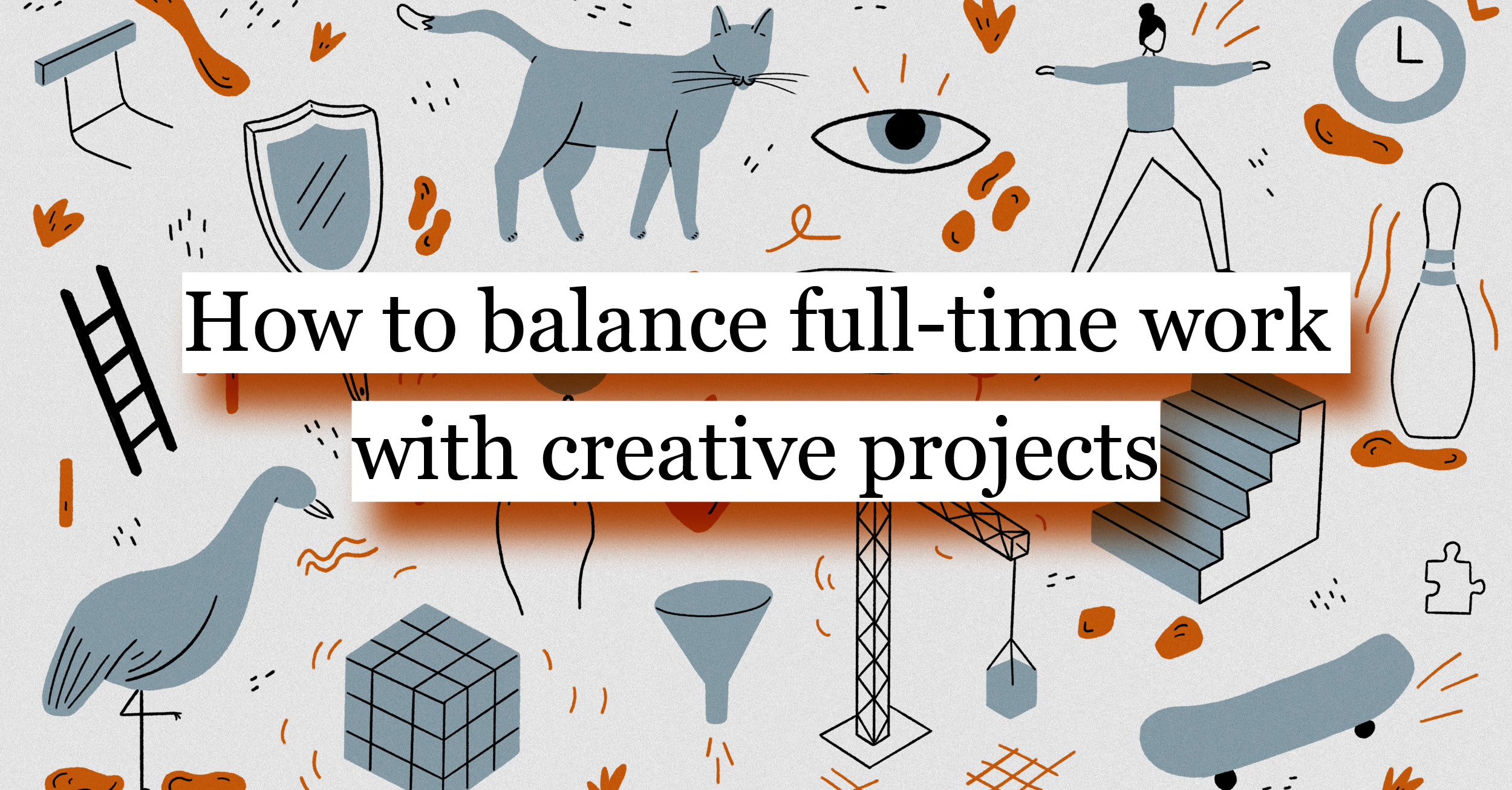
How to balance full-time work with creative projects – The Creative Independent
A guide to finding the right day job, protecting your time, and building creative habits by Jeffrey Silverstein. Illustrated by Sunny Eckerle.
Do social media experiments prove a link with mental health: A methodological and meta-analytic review.
A prosthesis for imagination: Using AI to boost your creativity
AI can already beat humans in many measures of creativity. Let's use that to our advantage.