

The video contains imagery from NASA’s Solar Dynamics Observatory in five wavelengths of ultraviolet light. Scrubbing up and down reveals new layers, from sunspots on the solar surface to prominences extending outward in the corona.
Solar Symphony: Listening to the Sun's hidden "music"
What sound can teach us about our Sun? In this episode, we explore how NASA scientists translate electromagnetic waves from the Sun into sound, and even music. Through this process, researchers are gradually unlocking the Sun's secrets, from the steady \"hum\" of the star's rotation, to the way that solar winds \"play\" the Earth's magnetosphere like a harp. This story comes from the podcast NASA's Curious Universe, and features Host and Astrophysicist Padi Boyd, Sonification Specialist Robert Alexander and Heliophysicist Mike Hartinger. Explore the all new Defacto Sound website, and click the Contact Form to get in touch.If you know what this week's mystery sound is, tell us at mystery.20k.org.Follow Dallas on Instagram, TikTok, YouTube and LinkedIn.Join our community on Reddit and follow us on Facebook.Subscribe to NASA's Curious Universe wherever you get your podcasts.Get 50% off your first meal box plus free shipping at factormeals.com/factorpodcast.Get an exclusive 60% discount on Incogni and a 30-day money-back guarantee at incogni.com/20k.Claim your $75 sponsored job credit at indeed.com/hertz.Download the CFO's Guide to AI and Machine Learning at netsuite.com/20k.Learn more about your ad choices. Visit megaphone.fm/adchoices
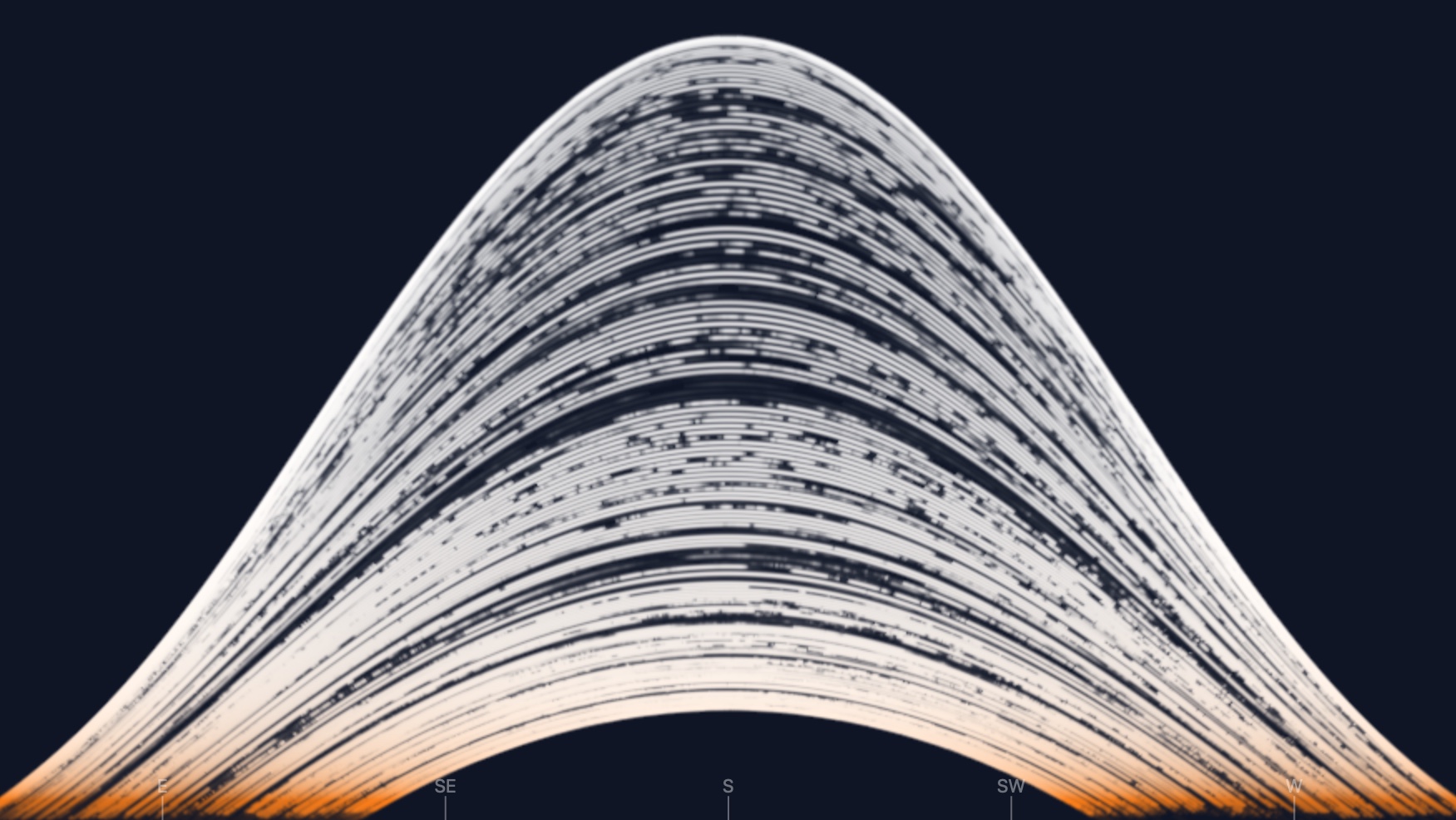
Solargraph Simulator – eagereyes
How a 6-month exposure shows the sun's path across the sky, from solstice to solstice

Eyes on the Solar System - NASA/JPL
Explore the 3D world of the Solar System. Learn about past and future missions.
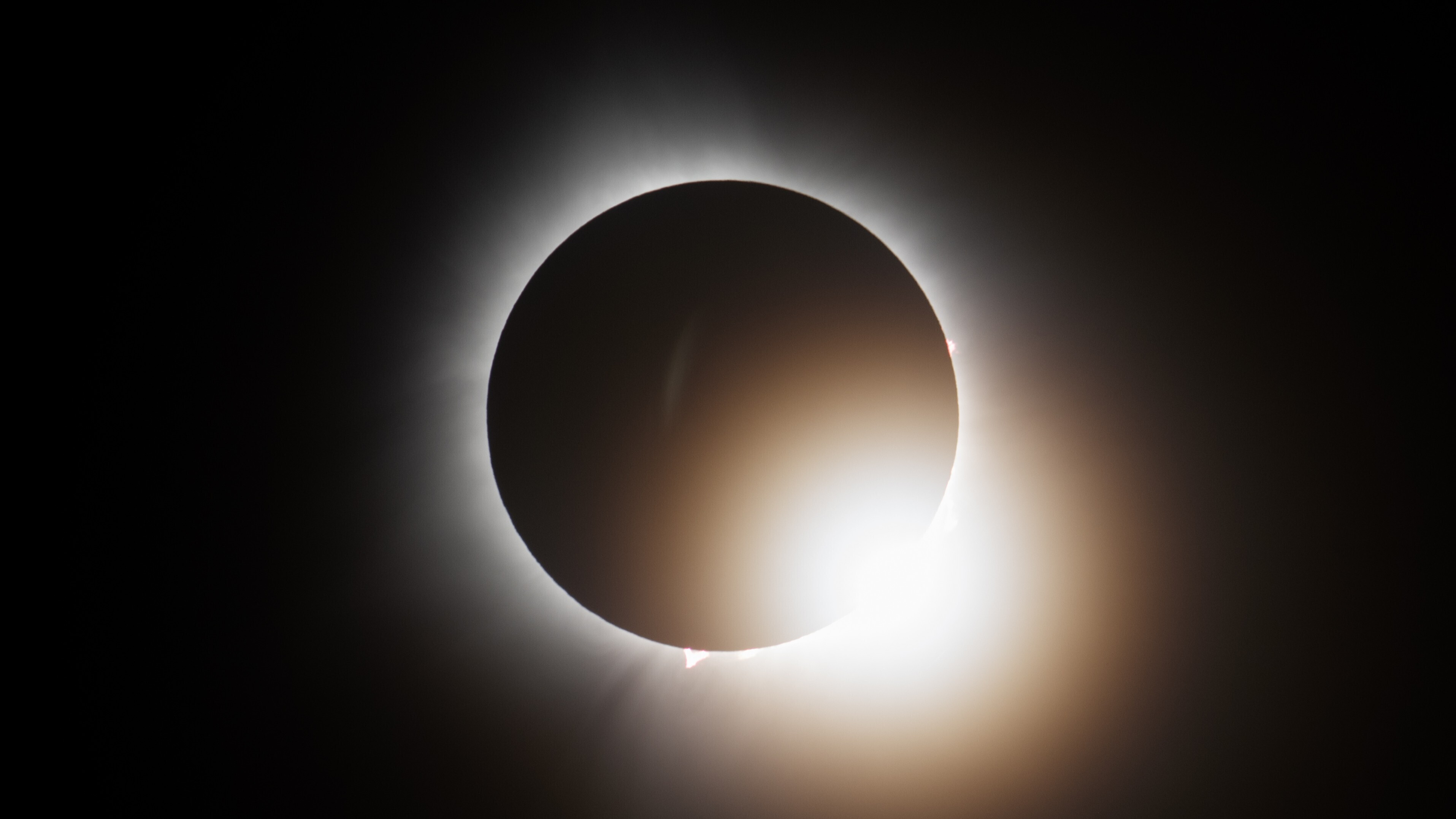
Everything to know about this week's solar eclipse : Short Wave
During a total solar eclipse the world around you is very different. The sun gets totally blotted out and suddenly, it feels like night time. The temperature drops. Birds stop singing. These surreal celestial events happen every year or so around the globe – including tomorrow. To get you prepped, we’re talking to eclipse chasers about what makes these few minutes of darkness worthwhile and break down how to view an eclipse. That includes using special specs, so we’re linking the American Astronomical Society’s list of trustworthy eclipse glasses. To nerd out even more, check out NASA’s eclipse website.Interested in more space news? Email us your question at shortwave@npr.org and we may cover it in an upcoming segment.Support public media with NPR+ and enjoy perks for over 25 podcasts like this one. This show’s perks include sponsor-free listening. Learn more at plus.npr.org.
Our Changing Climate
Perfecting Yoga Asana
The Sunshine Recorder
I went into this video not knowing anything about how a mid-19th century sunshine recorder might work and was genuinely delighted by the reveal. If you’d li

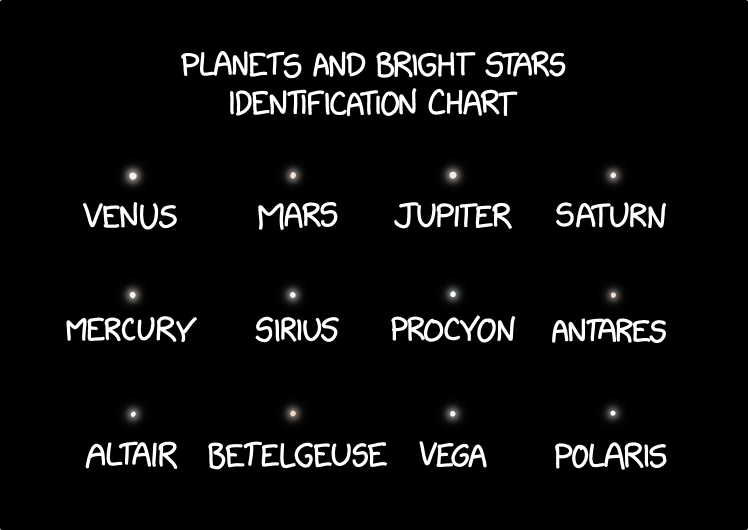
Planets and Bright Stars
This work is licensed under a Creative Commons Attribution-NonCommercial 2.5 License.
The Daily Planet #121: Timefulness - The Daily Planet
Time for the sun to rise | Paul Stephenson | Offprint
Get Season 1 of the Sunset Chronicles - Omnibus Edition.

The sky is psychedelic: why so many people see strange lights in the sky
Your brain evolved to see deep meaning in the sky. And UFOs.
The InterBrain - How Collective DreamWeaving Can Heal the World
Amazing sunset tonight as it dipped behind a layer of cloud and trees #sunset #nikonphotography #photography #northernireland
Waxing crescent Moon, 1.72% illuminated tonight. Venus shining SO bright in the beautiful dusk sky. I actually love how both Venus & the Moon are on the edge of the tree line. Shout-out to my wife 😍 who told me you could see them from the back garden #venus #moon #photography #nikonphotography
