

On Medium, anyone can share insightful perspectives, useful knowledge, and life wisdom with the world.
How to write Medium stories people will actually read
More than 30 million people use Medium each month. They come here in search of something worth reading. Something substantial. And you can give it to them. Medium’s algorithms put you on a level playing field. Your stories can dominate news feeds. Yo...

Medium has been great for us
More readers, wider distribution, new audiences. An enjoyable place to write. Win, win, win. Win. Just about a year ago we switched this blog, Signal vs. Noise, to Medium. Here’s the post announcin…

Inside Medium: an attempt to bring civility to the internet
Long-form writing site Medium has become a megaphone for the powerful and powerless alike - the BBC meets its creator.

Medium vs. Own Blog: What Actually Drives SaaS Traffic
Where to publish something has becoming a difficult decision for a lot of businesses. You read so many stories about using various channels to distribute content and grow traffic, it’s hard to know what does and doesn’t work. Medium, in particular, has become a major player in the world of startup content, but is it really that great?

We shouldn't wait for Medium
Medium has to create a miracle in the economics of publishing. But the users of Medium just want an easy and elegant blogging system. It doesn't seem like a match, long-term.
Medium acquires Superfeedr
Publishing on the web is changing drastically. Medium is one of these few companies which are building the future of publishing and reading. We're excited to join forces with them and continue building the open web in this new era!

Signal v. Noise moves to Medium
When Jason Fried a few months ago suggested that we should start posting articles on Medium, I was skeptical. What possible gain could we have from sharing our stories on someone else’s platform ra…
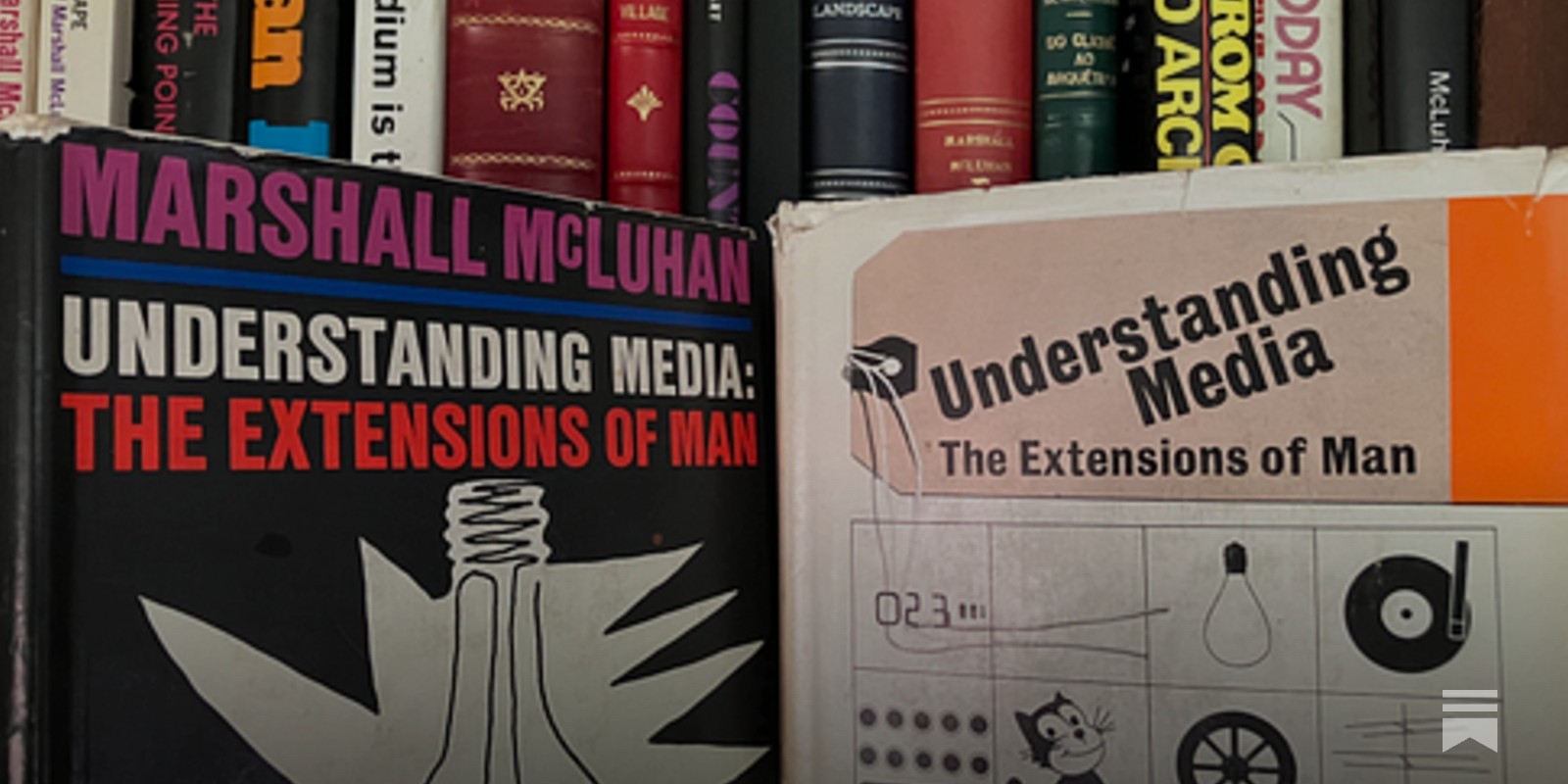
Reading, and Understanding Media
A guidebook, and poetry more than prose, Marshall McLuhan's 1964 work remains one of our best resources for exploring the nature and effects of new media. It's not an easy read, so I'm going to help.
Ultra-Processed Minds: The End of Deep Reading and What It Costs Us
A reflection on the reading life. What formed it, what threatens it, and what remains.

How tweet threads cured my writer's block: Twitter as a medium for sketching
Twitter is a powerful <b>medium for sketching</b>: a tool for fluidly developing ideas in realtime. What can we learn from its design? I think it shows us the power of 1) the right constraints, 2) low barriers to starting and finishing, and 3) a social context.

Resonite
A novel digital universe with infinite possibilities. Whether you resonate with people around the world in a casual conversation, playing games and socializing. Or you riff off each other when creating anything from art to programming complex games, you'll find your place here.
Read - Night Science
Itai and Martin have published – and continue to publish – about the main aspects of the creative scientific process and its thinking tools.

how do you a call a person who is interacting with digital media ?
We use tools from computer science, media design, and digital art to study massive cultural data sets. Directed by Dr. Lev Manovich.
A home for the writing you love · Standard Reader
New writing from the standard.site publications you subscribe to — calm, chronological, and yours to take anywhere.
How to create reading experiences that "go beyond information transmission and toward reader transformation.” Great paper by @blue-phia.bsky.social @lepidopterane.bsky.social @yijunliu.bsky.social Sarah Sterman @sh1m.bsky.social @maxkreminski.bsky.social arxiv.org/abs/2606.04308 >
