


responding with slowness in relations
tech isn’t the future it’s just capitalism faster
responding with slowness in relations
The Future Is Not Tech-Forward
On artificial intelligence, data centers, technological politics, and who gets to build the future.
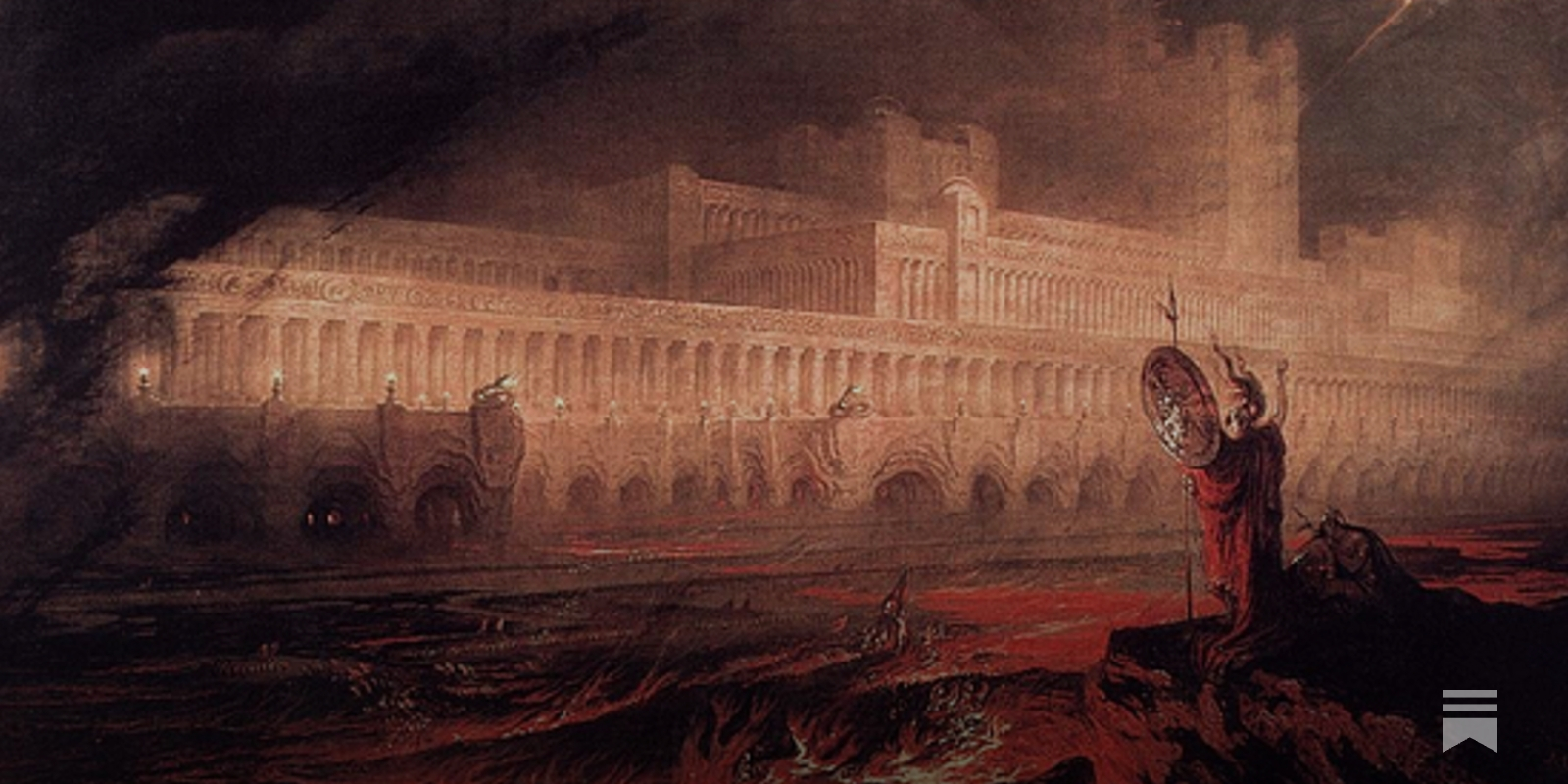
A billionaire and a novelist offer two versions of tech's future. Who's right?
Where exactly is tech going? Joanne McNeil's debut novel 'Wrong Way' and billionaire Marc Andreessen's 'Techno-Optimist Manifesto' offer some clues.
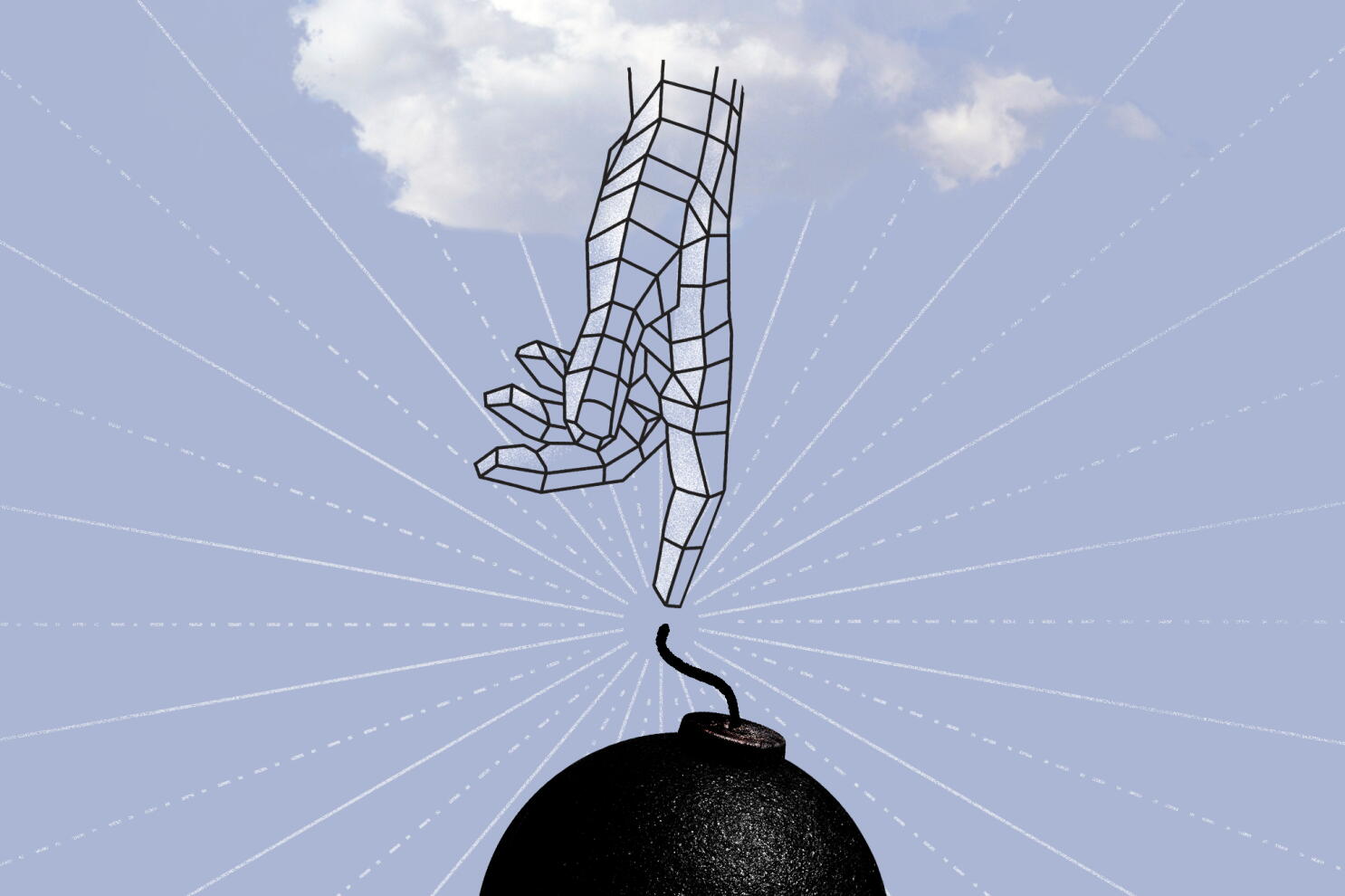
It’s Time to Dismantle the Technopoly
As technology accelerates, we need to stop accepting the bad consequences along with the good ones.

Why I (Still) Love Tech: In Defense of a Difficult Industry
Technology is just another human creation—like religion or government or sports or money. It's not perfect, and it never will be. But it's still a miracle.

Techno-solutionism
“techno-solutionism,” the simplification of complex societal problems into apps and algorithms. Ed-Tech’s Inequalities “Technological solutionism” is the related tendency to identify simple answers — in all domains, not just the tech sector — “before the questions have been fully asked” or the problems fully articulated. Take, for example: “the Internet has changed everything about how […]

Progress, Postmodernism and the Tech Backlash
Here are two aspects of the anti-tech backlash that I believe are both true, and are actually reciprocally related to each other: Critics in media, politics, and even in tech itself, who spend all …

Deep research requires a slower pace than tech industry work
Anyone working in an industry for a while will become accustomed to that culture—its processes, its norms, its values, its tacit knowledge. Much of this is incredibly valuable, of course, but these ideas can also represent constraints. There are some important impedances here between tech industry culture and research culture. In particular, tech culture is calibrated to a much faster pace. This can lead to impatience or early abandonment when confronting problems which require a researcher’s pace.
AI, I tried to love you – Writings and rehearsals by Nathan Schneider
Among my peers who study the cultures and economies surrounding technology, I often find myself more tech-positive than most. On the whole I like computers, like the internet, and like in general the emergent human creativity that these things have enabled and revealed. A source of my appreciation is that I expend a lot of effort on the practice of “slow computing,” which is to say, choosing tools and technical communities that I can feel in right relationship with. I tend to approach new socio-technologies (like gig economies, blockchains, and social media) not from a perspective of why is this so bad? so much as asking how could we do this right?
A Real Political Economy of Technology - The Ideas Letter
Two technological futures are competing for political and material priority: generative AI and the green transition. Benanav argues that while AI is marketed as a world-reordering breakthrough, its productivity gains…
The Future Is Worker-Owned
It’s time for businesses to work for people, not the other way around

other futures: tech, resistance & imagining otherwise
big tech wants to control our future, but there are other paths we can choose instead. on "other futures" we bring together leading tech researchers, organizers, critics, and storytellers to help us imagine what more liberatory and human-centered tech futures could look like—and how we can build them together. brought to you by DAIR and the All Tomorrows Institute.
Why can't our tech billionaires learn anything new?
On Marc Andreessen's "techno-optimist manifesto"
Technology is part of the humanities. People who work in tech-adjacent fields but do not understand that will plateau very fast in their careers. The parts of the job that vibecoding eliminates aren't the political ones.

Hetan Shah
It’s 25 years since we lost Douglas Adams. I am happy to have been able to get a reference to him into this piece in the FT about why the humanities are essential ft.com/content/fbde3d46-0e53-47cb-8f…
