

The Web is 25 this year, and on this its silver anniversary, there is a new campaign called (The) Web We Want. Its 5 guiding principles are…
Who Shapes Web Standards? Uncovering the Main Topics of Interest in the W3C
Opinion | How to Save the Web (Published 2018)
Governments, businesses and users around the world must commit to a set of fundamental principles for the web.

Robin Berjon: Web standards
The standards that govern the World Wide Web develop at the intersection of profit-seeking companies, nonprofit organizations, and small groups of people with …
On forking the Web
This document contains a set of informal notes on how to build an alternative specification to the Web, in such a way that hopefully prevents many of its drawbacks while still preserves many of the good points. This document is not an specification, and is therefore subject to change over time.
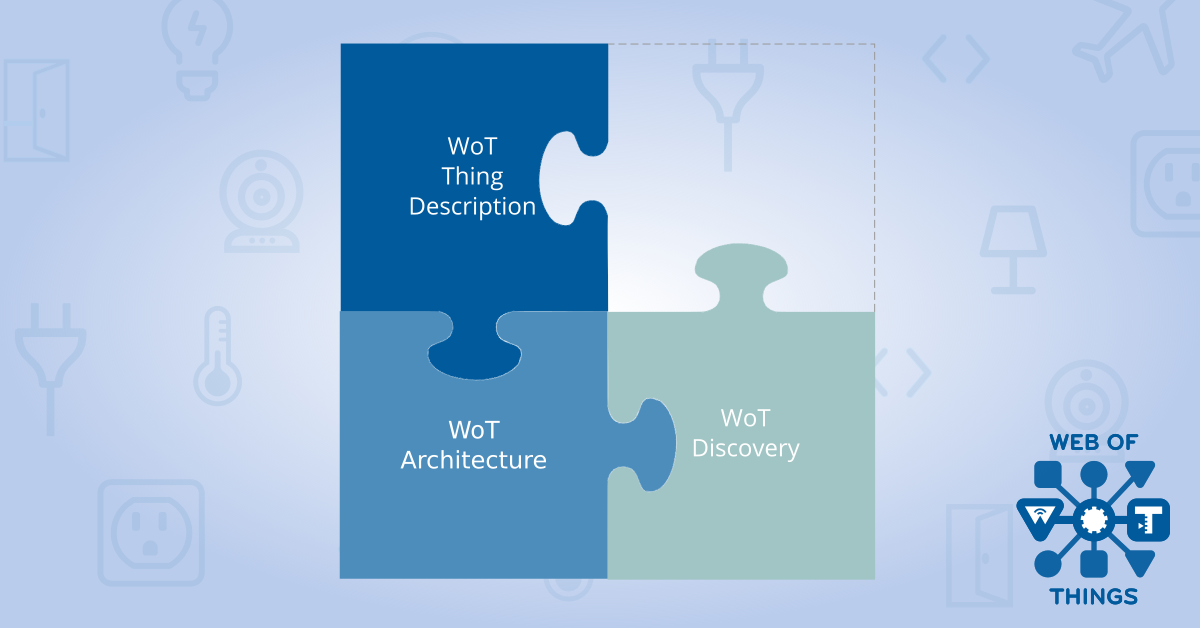
Putting the Web back in the Web of Things
We spent over a decade standardising the Web of Things, but I believe it’s still missing a key component it needs in order to grow. I this blog post I provide a deep-dive retrospective into the last 10+ years of standardisation, how the Web of Things is being used today, and what I believe it is sti
The Web Is For User Agency
We take the Web for granted as that thing that's there and we talk of things being good or bad for the Web, but we don't ever sit down and really say what the Web is for. I take a look at this question with an eye towards understanding what it is we need to do to build a Web that's actually better.

The W3C At Twenty-Five — Smashing Magazine
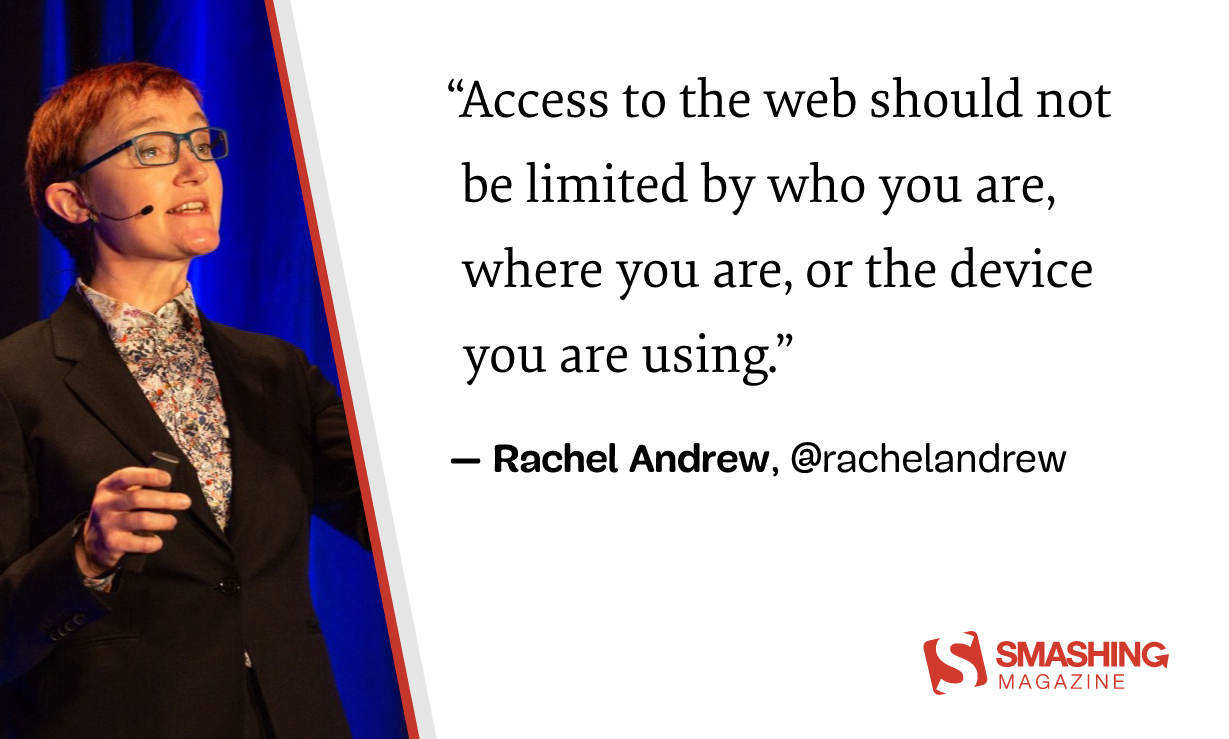
The W3C celebrated its 25th anniversary on the 1st of October 2019. In this article, Rachel Andrew explains how the W3C works and shares her “Web Story” to explain why the Web Standards process is so vitally important for everyone to have an open web platform where they can share their stories and build awesome things for the web together.
Standards — IndieWeb
The IndieWeb is a people-focused alternative to the "corporate web". These standards are organized roughly in order of age and breadth of implementation.
One Small Step for the Web…
I’ve always believed the web is for everyone. That’s why I and others fight fiercely to protect it. The changes we’ve managed to bring have…

The web is for everyone: Our vision for the evolution of the web | The Mozilla Blog
Over the last two decades, the web has woven itself into the fabric of our lives. What began as a research project has become the world’s most important

Ethical Web Principles
The web should be a platform that helps people and provides a positive social benefit. As we continue to evolve the web platform, we must therefore consider the consequences of our work. The following document sets out ethical principles that will drive W3C's continuing work in this direction.
Long Live the Web: A Call for Continued Open Standards and Neutrality
The Web is critical not merely to the digital revolution but to our continued prosperity—and even our liberty. Like democracy itself, it needs defending

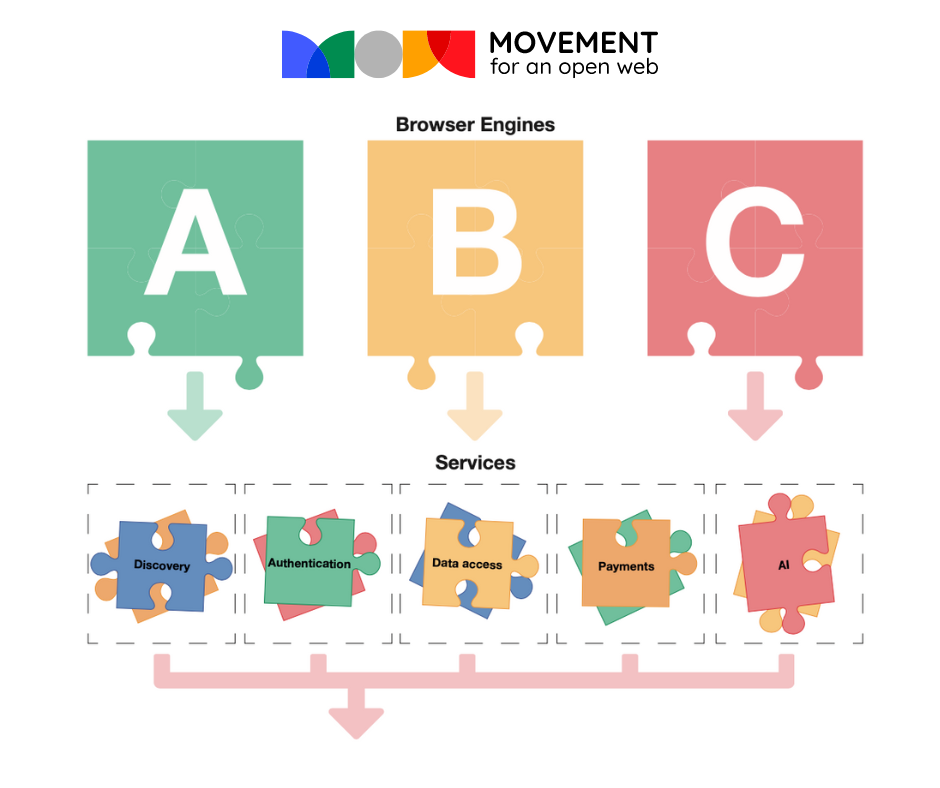
Break up the Browsers. A Proposal to Save the Open Web. - Movement For An Open Web
The Open Web is one of the world’s modern wonders. Based on core, universally recognised technical standards and owned and controlled by no one body, it is a unique structureRead More
Stephanie Stimac - Sustainable Futures: Funding the Web Ecosystem
The New Web Typography
How should we go about making typographic laws, rules and guidelines for the web?

I found a really great article around web standards "Every feature begins life as a non-standard proposal, often shipped. This is not a bug" that I shared with @blaine.bsky.social last September. Thread in the forum discourse.atprotocol.community/t/web-standards-and-the-fall-…

Web Standards and the Fall of the House of Iamus (Alex Russell)
discourse.atprotocol.community
Blaine
I need to write more about this, but one of the core benefits of atproto is that it (dramatically) lowers the cost of coordination, both in divergence and convergence.
