

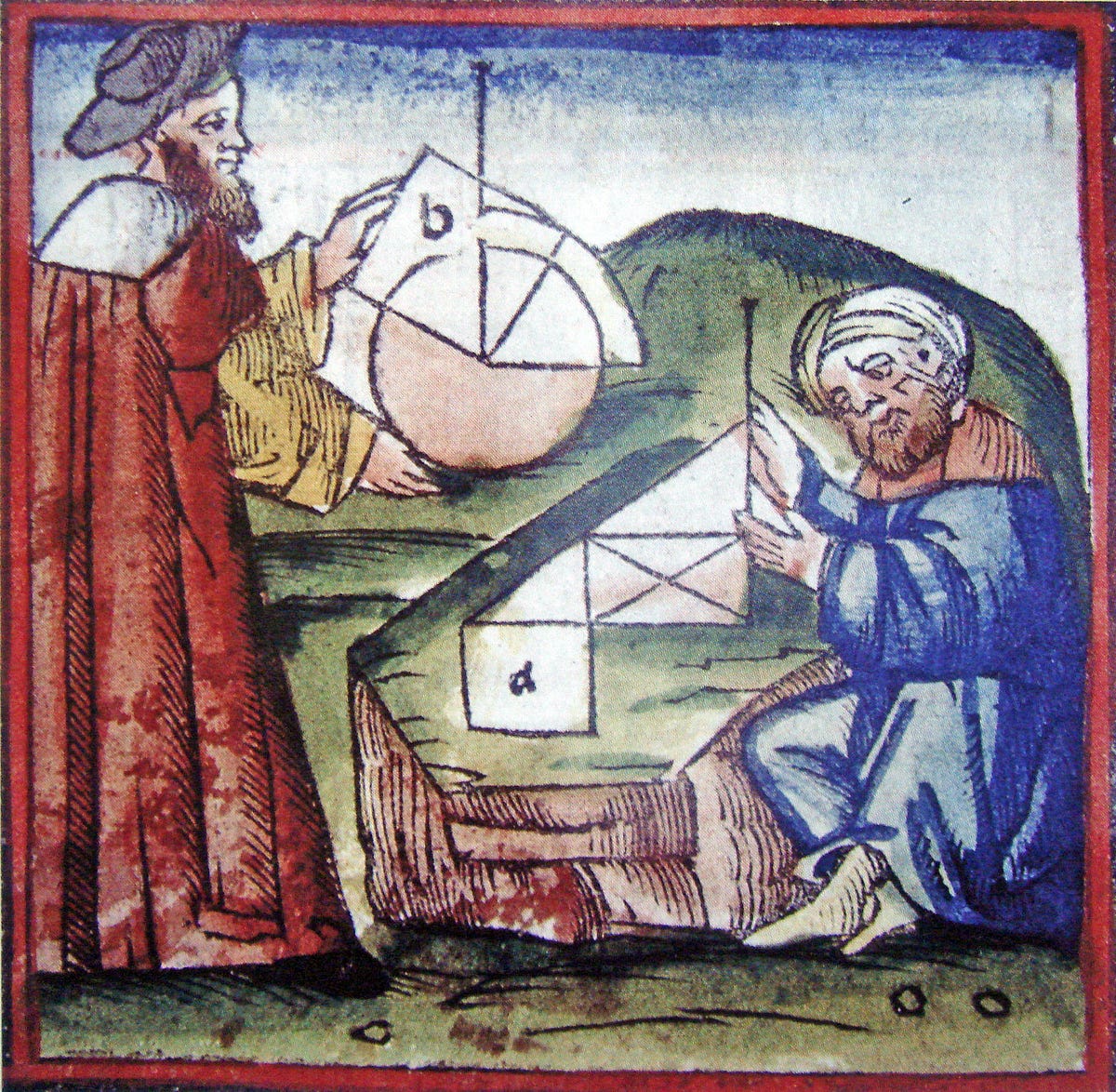
In the last couple of weeks, a lot of people have been asking me about what I’ve been reading as reference points for my commentary on the…
Guest post: If you’re going to critique science, be scientific about it
Loren K. Mell Editor’s note: This post responds to a Feb. 13 article in The Atlantic, “The Scientific Literature Can’t Save Us Now,” written by Retraction Watch cofounders Adam Marcus and Ivan Oran…

What happened to Science Goodreads and how do we rebuild it? A 65 million dollar question (at least) - Cosmik Labs
The story of the rise and fall of Mendeley
What happened to Science Goodreads and how do we rebuild it? A 65 million dollar question (at least) - CAIROS Blog
The story of the rise and fall of Mendeley
Quotation errors in general science journals
Abstract. Due to the incremental nature of scientific discovery, scientific writing requires extensive referencing to the writings of others. The accuracy

11 books that hit me like lightning
A budding discipline around how science gets read and judged - Aris
Scholarly publishing spent thirty years arguing about access. It has barely begun arguing about what readers do with the paper once they have it. At Aris we call that second argument scholarly interface design. Mike Morrison's community calls it ScienceUX. Either way it is becoming a field, and here is why it is worth your attention.
What stories should we tell about scientific progress now?
In search of the mysterious fruits of basic science

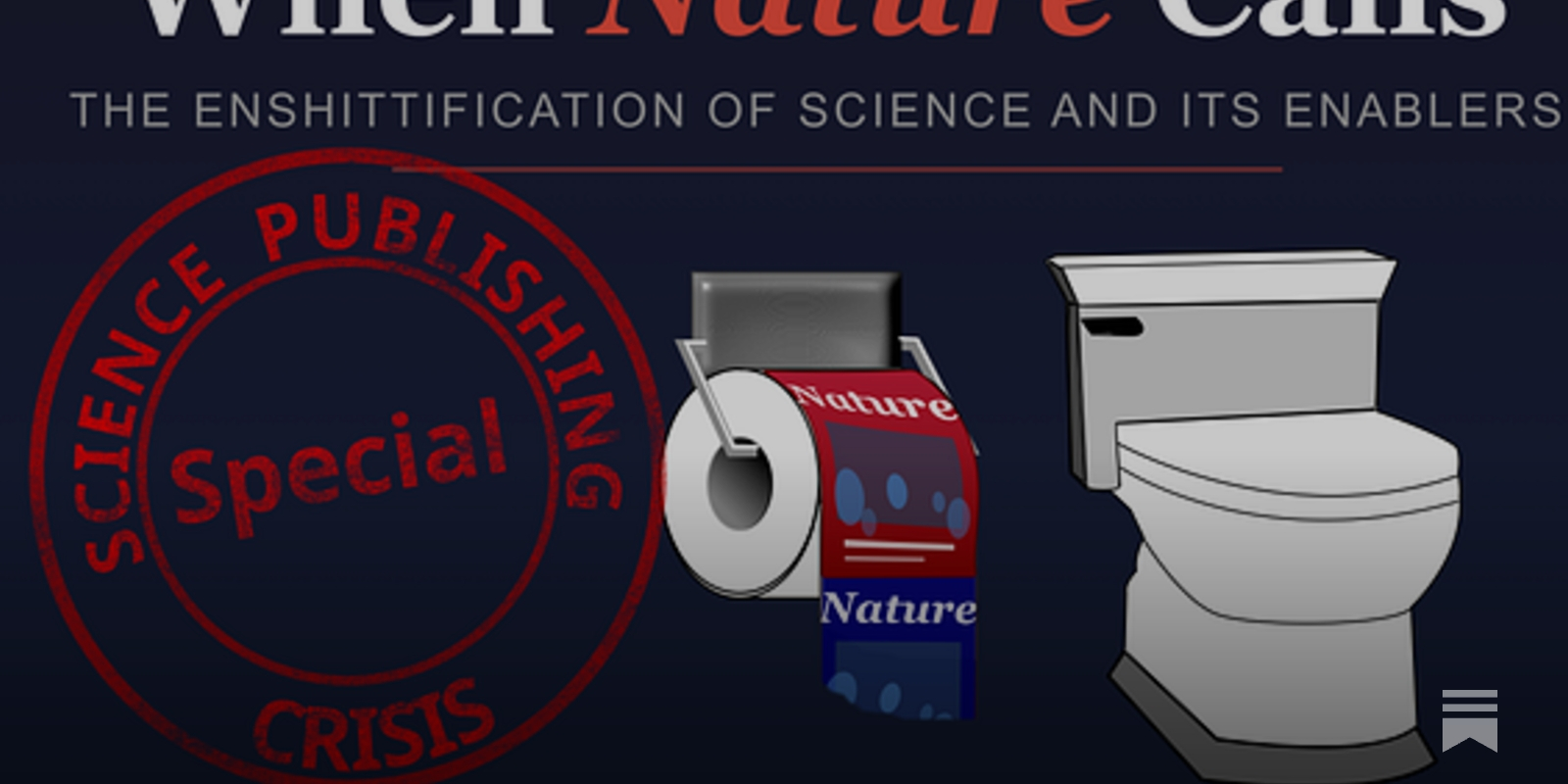
When Nature Calls: The Enshittification of Science and Its Enablers
Proof-of-work papers, policy laundering, and the collapse of self-correction
The new way we’ll do science
Papers should become human-readable views over a graph of data, tools, results, and certificates.
Quotation errors in general science journals
Due to the incremental nature of scientific discovery, scientific writing requires extensive referencing to the writings of others. The accuracy of this referencing is vital, yet errors do occur. These errors are called ‘quotation errors’. This paper presents the first assessment of quotation errors in high-impact general science journals. A total of 250 random citations were examined. The propositions being cited were compared with the referenced materials to verify whether the propositions could be substantiated by those materials. The study found a total error rate of 25%. This result tracks well with error rates found in similar studies in other academic fields. Additionally, several suggestions are offered that may help to decrease these errors and make similar studies more feasible in the future.
1/ Lots of thoughts about the new White House science and tech policy report, meanwhile just a few quick notes (I only skimmed it so far but plan to read through it)

Science: A New Golden Age
www.whitehouse.gov"One of the important skills of the professional scientists... is to know what to read and what not to read. This is narrow community knowledge built up through extended face-to-face socialisation in expert groups."

Large language models eroding science understanding: an empirical study of ‘malignment’ - AI and Ethics
link.springer.com📚 MIRA Book Club

mira.science community reading recommendations
re-commoning science
reimagining science

The Ground Truth Institute
How Infrastructure Works: Transforming our shared systems for a changing world

The release of #ClaudeDesign left me wondering what a tool like this could look like for academics (rather than designers) I then used Claud…

What if paper reading and reviewing was interactive and visual? Tools today assume a very passive way of engaging with a paper: you open a…
Profit, cost, price, learned societies; further thoughts on Samuel A. Moore's Publishing Beyond the Market

Publishing Beyond the Market: Open Access, Care, and the Commons
Authorship, division of labour, material and digital form; thoughts on Samuel A. Moore's Publishing Beyond the Market
Bioregionalism, Commoning, and Relationalized Finance | David Bollier
Reclaiming the Computing Commons

The Drain of Scientific Publishing