


The internet is exploding with conversations about the Panama Papers — the largest data dump in history of secret files about rich people…
What are the Panama Papers? A guide to history's biggest data leak
What is Mossack Fonseca, how big is it, and who uses offshore firms? Key questions about one of the biggest ever data leaks
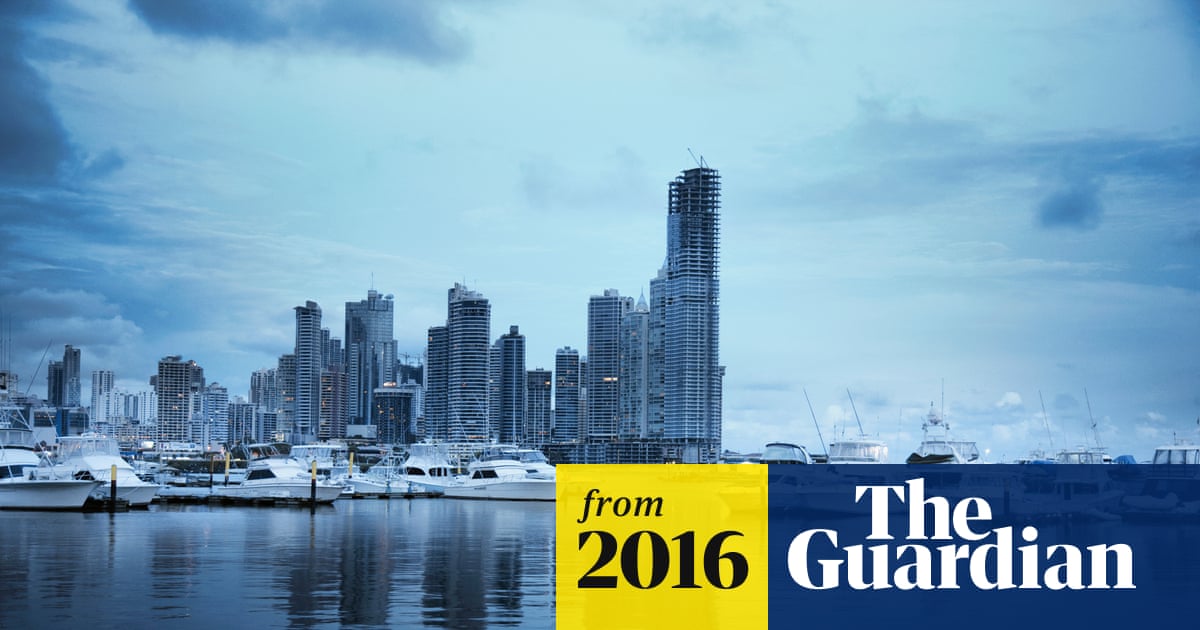
Panama Papers Show How Rich United States Clients Hid Millions Abroad (Published 2016)
Mossack Fonseca, the Panamanian law firm at the center of the trove of revealing documents, offered a menu of services to conceal the true owners.

Here's Why You Should Give a Shit About the Panama Papers
Soon after the story broke, people were already tweeting: "Oh shock, horror: rich, powerful person is corrupt—why should I care?" This is why you should care.
Docs Reveal Hundreds of US Agencies Spying on Americans' Money Transfers | Common Dreams
"These records paint a damning portrait of government overreach."
Who's downloading pirated papers? Everyone
Data from the controversial website Sci-Hub reveal that the whole world turns to it for journal articles.

Billion Dollar PDFs
Documents that crystallized a narrative and moved billions of dollars of capital.

Data Is a Toxic Asset - Schneier on Security
Thefts of personal information aren’t unusual. Every week, thieves break into networks and steal data about people, often tens of millions at a time. Most of the time it’s information that’s needed to commit fraud, as happened in 2015 to Experian and the IRS. Sometimes it’s stolen for purposes of embarrassment or coercion, as in the 2015 cases of Ashley Madison and the US Office of Personnel Management. The latter exposed highly sensitive personal data that affects security of millions of government employees, probably to the Chinese. Always it’s personal information about us, information that we shared with the expectation that the recipients would keep it secret. And in every case, they did not...
Leaked: Politicians’ emails and passwords on the dark web (2026 update) | Proton
Government officials across Europe and the US have had their official email addresses — and even passwords — leaked on the dark web. Here's how to protect yourself.
Government Surveillance and Internet Search Behavior
This paper displays data from the US and its top 40 trading partners on the search volume of select keywords from before and after the surveillance revelations

Tracers in the dark: the global hunt for the crime lords of cryptocurrency
"A propulsive story of a new breed of investigators who have cracked the Bitcoin blockchain, taking once-anonymous realms of money, drugs, and violence and holding them up to the light Black markets have always thrived in the shadows of society. Increasingly, these enterprises-drug dealing, money laundering, human trafficking, terrorist funding-have found their shadows online. Digital crime lords inhabiting lawless corners of the internet have operated more freely than their analog counterparts could have ever dreamed of. At the heart of their massive conspiracies: cryptocurrency. By transacting not in dollars or pounds but in Bitcoin-a currency with anonymous ledgers, overseen by no government, beholden to no bankers-black marketeers robbed law enforcement for years of their chief method of cracking down on criminal markets, namely, following the money. But what if the centerpiece of this dark economy held a secret, fatal flaw? What if their currency wasn't so cryptic after all? An investigator using the right mixture of technical wizardry, financial forensics, and old-fashioned persistence could crack open an entire world of crime. Men with No Names is a story of crime and consequences unlike any other. With unprecedented access to the major players in federal law enforcement and private industry, veteran cybersecurity reporter Andy Greenberg tells an astonishing saga of criminal empires built and destroyed. He introduces an IRS agent with a defiant streak; a Bitcoin-tracing Danish entrepreneur; and a colorful ensemble of hardboiled agents and prosecutors as they delve deep into the crypto-underworld. The result is a thrilling, globe-spanning story of dirty cops, drug bazaars, sex-abuse rings, and the biggest takedown of an online narcotics market in the history of the internet. This is a cat-and-mouse story and a tale of a technological one-upmanship that's utterly of our time. Filled with canny maneuvering and shocking twists, it answers a provocative question: How would some of the world's most brazen criminals behave if they were sure they could never get caught?"--

Revealed: Leaked Chats Expose the Daily Life of a Scam Compound’s Enslaved Workforce
A whistleblower trapped inside a “pig butchering” scam compound gave WIRED a vast trove of its internal materials—including 4,200 pages of messages that lay out its operations in unprecedented detail.

Where Did WikiLeaks' $25 Million Bitcoin Fortune Go? - Slashdot
Everyone from early investors to cybercriminals has benefited from the huge spike in the value of bitcoin in the past few weeks. It's a boon for one other outfit that has likely racked up tens of millions of dollars' worth of the cryptocurrency: WikiLeaks. Joseph Cox, reporting for The Daily Beast: ...

Me and my metadata - thoughts on online surveillance - Ethan Zuckerman
The NSA documents Edward Snowden leaked have sparked a debate within the US about surveillance. While Americans understood that the US government was likely intercepting telephone and social media data from terrorism suspects, it’s been an uncomfortable discovery that the US collected massive sets of email and telephone data from Americans and non-Americans who aren’t… Read More »Me and my metadata – thoughts on online surveillance

Revealing Economic Terrorists: a Slumlord Conspiracy
An economic justice organization uses InFlow SNA software to reveal a slumlord conspiracy
BETTER THAN FREE | Edge.org
This super-distribution system has become the foundation of our economy and wealth. The instant reduplication of data, ideas, and media underpins all the major economic sectors in our economy, particularly those involved with exports — that is, those industries where the US has a competitive advantage. Our wealth sits upon a very large device that copies promiscuously and constantly.

