

What I wish I had known when starting my career in consumer tech a decade ago…
36 important life and work lessons a top tech executive learned before turning 30
The days are long but the decades are short.
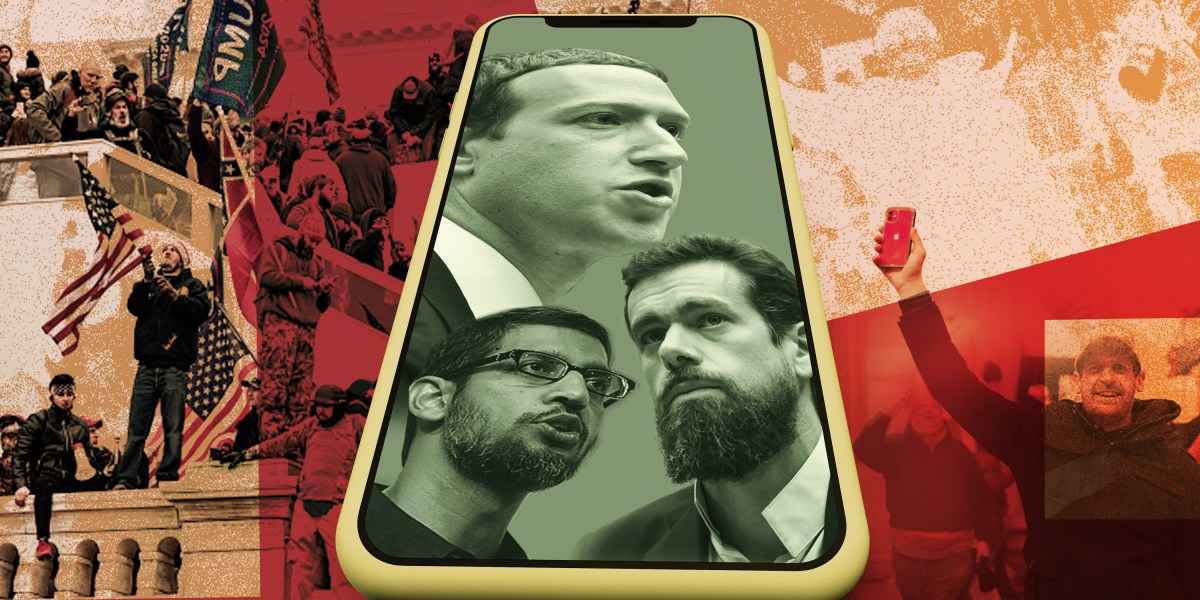
The Beginning of the End of Big Tech
From politicians to VC firms, everyone is falling out of love with the massive, money-oriented, global technology titans. In their place, we have the chance to build something open and trustworthy.

The Rise of the Silicon Valley Small Business
What you need to know about the next big startup archetype
Build the thing you wish to see in the world
For most of my career, I've been confusing building products with building businesses—and that confusion kept me from pursuing a lot of ideas. Two weeks off helped me realize that not everything needs to be a startup, and some of the best things we build are the ones we build just because we want them to exist.
Goodbye, Ivory Tower. Hello, Silicon Valley Candy Store. (Published 2016)
The promise of big data and big paychecks is drawing some of academia’s top economists to study consumer behavior for tech companies like Airbnb, Amazon and Uber.

All Things Sales! 16 Mini-Lessons for Startup Founders | Andreessen Horowitz
As a former CEO and software engineer (Citrix, XenSource, VERITAS, etc.), board member of GitHub (recently acquired by Microsoft), and lecturer in management at the Stanford Graduate School of Busines, a16z general partner Peter Levine is constantly asked “Why sales?” by entrepreneurs and technical founders. He himself used to hold the “engineer-centric” view that if...

Big Tech’s attention economy can be reformed. Here’s how.
The business model is doing irreparable harm to society. But there is an alternative, and we don’t need to destroy the tech giants to get there.
Steve Jobs
"FROM THE AUTHOR OF THE BESTSELLING BIOGRAPHIES OF BENJAMIN FRANKLIN AND ALBERT EINSTEIN, THIS IS THE EXCLUSIVE BIOGRAPHY OF STEVE JOBS. Based on more than forty interviews with Jobs conducted over two years--as well as interviews with more than a hundred family members, friends, adversaries, competitors, and colleagues--Walter Isaacson has written a riveting story of the roller-coaster life and searingly intense personality of a creative entrepreneur whose passion for perfection and ferocious drive revolutionized six industries: personal computers, animated movies, music, phones, tablet computing, and digital publishing. At a time when America is seeking ways to sustain its innovative edge, and when societies around the world are trying to build digital-age economies, Jobs stands as the ultimate icon of inventiveness and applied imagination. He knew that the best way to create value in the twenty-first century was to connect creativity with technology. He built a company where leaps of the imagination were combined with remarkable feats of engineering. Although Jobs cooperated with this book, he asked for no control over what was written nor even the right to read it before it was published. He put nothing off-limits. He encouraged the people he knew to speak honestly. And Jobs speaks candidly, sometimes brutally so, about the people he worked with and competed against. His friends, foes, and colleagues provide an unvarnished view of the passions, perfectionism, obsessions, artistry, devilry, and compulsion for control that shaped his approach to business and the innovative products that resulted. Driven by demons, Jobs could drive those around him to fury and despair. But his personality and products were interrelated, just as Apple's hardware and software tended to be, as if part of an integrated system. His tale is instructive and cautionary, filled with lessons about innovation, character, leadership, and values"--

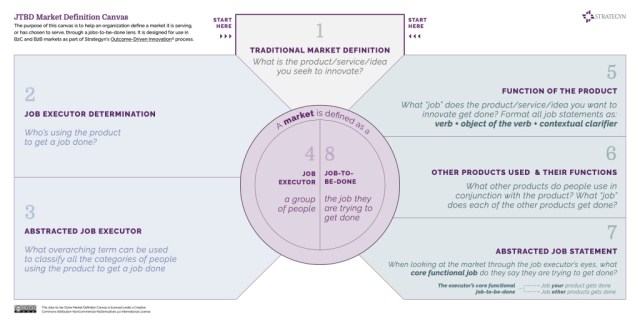
Steve Blank How to Find a Market? Use Jobs-To-Be-Done as the Front End of Customer Discovery
Modern entrepreneurship began at the turn of the 21st century with the observation that startups aren’t smaller versions of large companies – large companies at their core execute known business mo…
Big Tech
Big Tech is a name given to the largest technology companies in the United States, which dominate consumer computing technology around the world. The individual companies change, but the interests and practices of these companies largely remain the same, and are at odds with many of the principles of permacomputing.
The Toolbox Strategy: How To Become Uniquely Valuable
After having just dropped out of university, at 19-years-old; I received a line of advice that changed how I made every decision in my career…

FF26 – This is not the tech I signed up for! – An approach to permacomputing - Darío Gutiérrez Mori
What I Learned From Building An App For Low-Income Americans - Fast Company
The brief was simple: build a tech product for low-income American households. It wasn’t simple at all.

The Startup Marketing Checklist
I tried dozens of side projects before starting Draft.dev, and now I’ve worked with hundreds of early-stage startups and established enterprises to help with growth marketing. So, a lot of founders ask me how to get started in marketing when your marketing budget is small and your product is new. I created this list to […]
Unintuitive Things I’ve Learned about Management (Part 1)
I first started managing people seven years ago, three years after I graduated and got my first design job. At the time, I was woefully…

I got into tech six years ago because I figured I could have an outsized impact on making a less harmful, more empowering world for workers and marginalised people. Only this year, I started connecting IRL with people who think this way. Here I tried to write about the ways that's transformed me.

DWeb, Culture and Resistance
meri.garden