


The most important thing I learned in 2015? That depression and social media do not go well together at all.
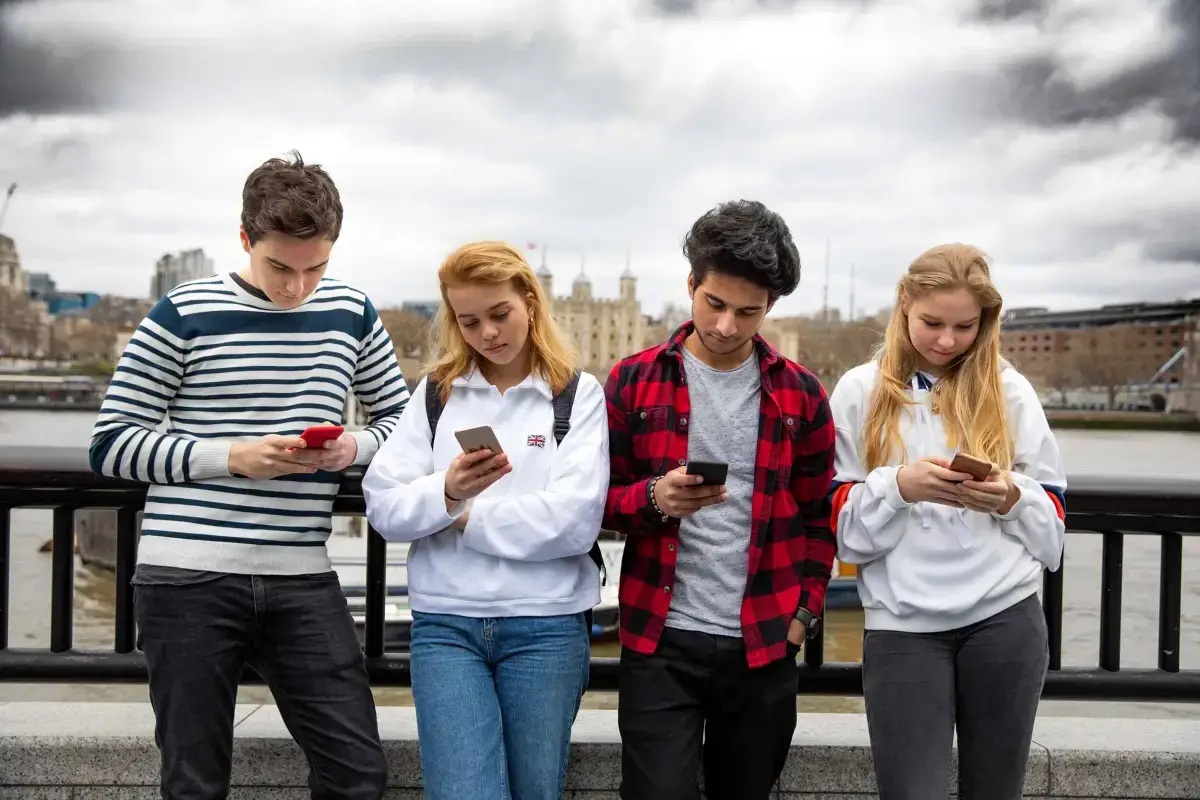
The great rewiring: is social media really behind an epidemic of teenage mental illness?
The evidence is equivocal on whether screen time is to blame for rising levels of teen depression and anxiety — and rising hysteria could distract us from tackling the real causes.

The great rewiring: is social media really behind an epidemic of teenage mental illness?
The evidence is equivocal on whether screen time is to blame for rising levels of teen depression and anxiety — and rising hysteria could distract us from tackling the real causes.
The great rewiring: is social media really behind an epidemic of teenage mental illness?
The evidence is equivocal on whether screen time is to blame for rising levels of teen depression and anxiety — and rising hysteria could distract us from tackling the real causes.
Social media and youth mental health: Simple narratives produce biased interpretations.
Former Facebook Exec: 'You Don’t Realize It But You Are Being Programmed'
This is the year everyone—including founding executives—began publicly questioning the impact of social media on our lives. Last month, Facebook’s first

A "gold standard" study finds deleting Facebook is great for your mental health
A unique study praised for its rigor finds numerous upsides to deactivating your Facebook account

Estimating the association between Facebook adoption and well-being in 72 countries
Social media's potential effects on well-being have received considerable research interest, but much of past work is hampered by an exclusive focus on demographics in the Global North and inaccurate self-reports of social media engagement. We describe associations linking 72 countries' Facebook adoption to the well-being of 946 798 individuals from 2008 to 2019. We found no evidence suggesting that the global penetration of social media is associated with widespread psychological harm: Facebook adoption predicted life satisfaction and positive experiences positively, and negative experiences negatively, both between countries and within countries over time. Nevertheless, the observed associations were small and did not reach a conventional 97.5% one-sided credibility threshold in all cases. Facebook adoption predicted aspects of well-being more positively for younger individuals, but country-specific results were mixed. To move beyond studying aggregates and to better understand social media's roles in people's lives, and their potential causal effects, we need more transparent collaborative research between independent scientists and the technology industry.

How to Fix Facebook—Before It Fixes Us
An early investor explains why the social media platform’s business model is such a threat—and what to do about it.

How Social Media Brings Out the Worst in Us
A new book argues that social media does more harm than good and we might be happier and healthier using it less.
Facebook Wrestles With the Features It Used to Define Social Networking (Published 2021)
Likes and shares made the social media site what it is. Now, company documents show, it’s struggling to deal with their effects.

Death of the private self: how fifteen years of Facebook changed the human condition
In 2004, the social network site was set up to connect people. But now, with lives increasingly played out online, have we forgotten how to be alone?
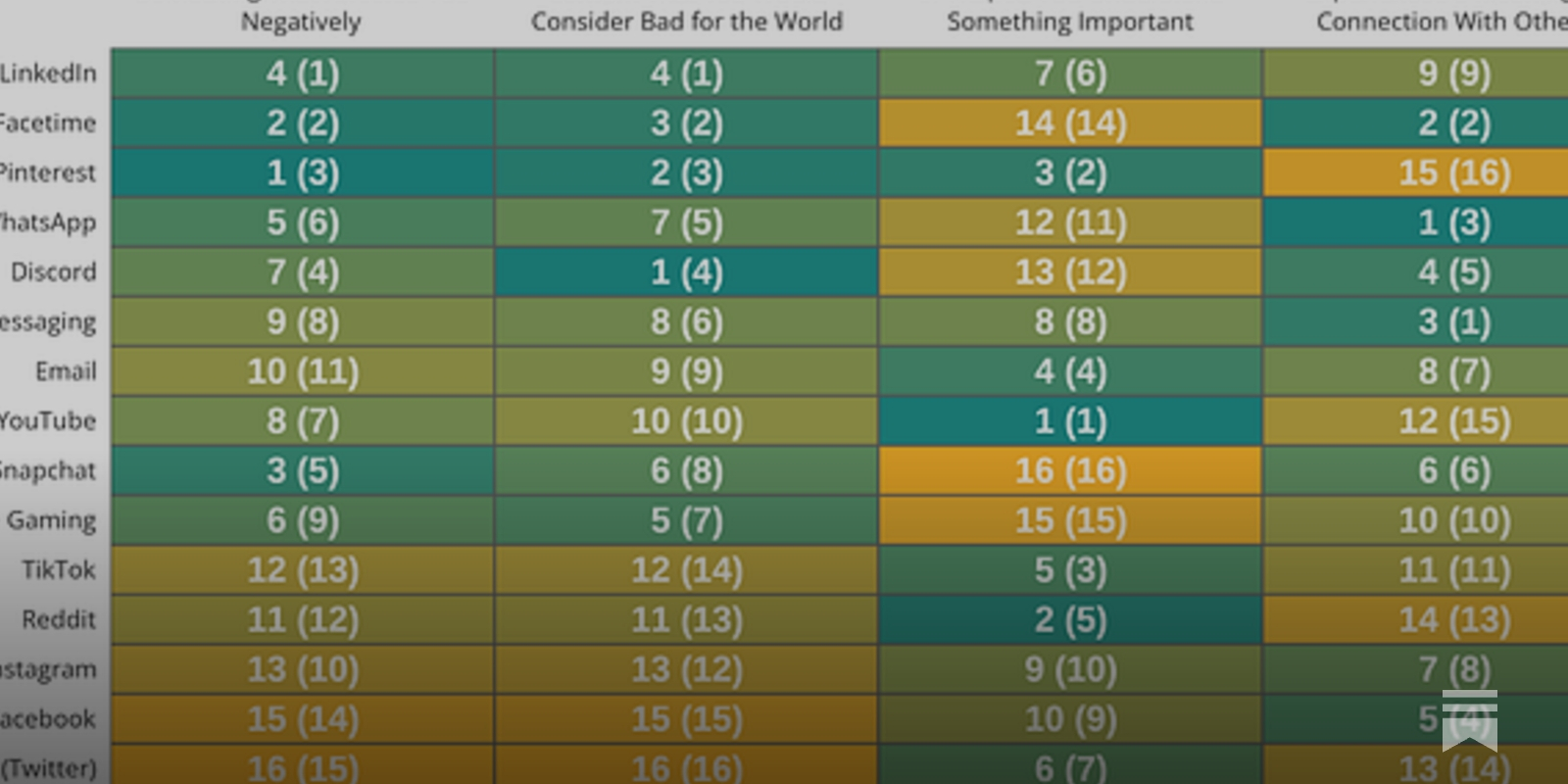
Social Media Experiences Across Nearly 2 Years Since Launching the Social Media Index
With new data through January 2025, we find that social media use is decreasing, bad experiences are mostly holding steady, and positive experiences are increasing on some platforms
Douglas Rushkoff: 'I’m thinking it may be good to be off social media altogether'
The media critic on the malfunctioning tech economy, digital detoxes and why Facebook is unhygienic

The Destructive Switch from Search to Social
2006 wasn’t a great year for our brains. In July, Twitter launched to the world, and in September, Facebook added the News Feed. But…

Facebook Gets Older: Demographic Report Shows 3 Million Teens Left Social Network In 3 Years
A new report from digital marketing agency iStrategyLabs shows exactly how many teens have abandoned Facebook.

Criticism of Facebook
Facebook (and parent company Meta Platforms) has been the subject of criticism and legal action since it was founded in 2004.[1] Criticisms include the outsize influence Facebook has on the lives and health of its users and employees, as well as Facebook's influence on the way media, specifically news, is reported and distributed. Notable issues include Internet privacy, such as use of a widespread "like" button on third-party websites tracking users,[2][3] possible indefinite records of user information,[4] automatic facial recognition software,[5][6] and its role in the workplace, including employer-employee account disclosure.[7] The use of Facebook can have negative psychological and physiological effects[8] that include feelings of sexual jealousy,[9][10] stress,[11][12] lack of attention,[13] and social media addiction that in some cases is comparable to drug addiction.[14][15]