


At Ionic, we’re incredibly bullish on the future of the web on mobile: Progressive Web Apps (PWAs). In this future, web developers are…
Thanks to Capacitor, I’ve fallen in love with mobile development again
Long before joining Ionic, I built web-based apps (using jQuery and Knockout.js!) and deployed them to iOS and Android using Cordova. They weren’t pretty (I didn’t have something like this 😉 available), the code was messy, but they got the job done: I was a web developer building mobile apps using one codebase! Despite my […]

Progressive Web Apps on iOS are here 🚀
With iOS 11.3, Apple has silently added support for the basic set of new technologies behind the idea of “Progressive Web Apps” (PWAs)…

What PWA Can Do Today
A showcase of what is possible with Progressive Web Apps today.

Announcing Ionic Portals
Ionic Portals is a supercharged WebView for extending native apps with rich web functionality powered by industry-leading Capacitor runtime.
Progressive Web Apps | web.dev
If you're new to PWA, we've got you covered. Our Learn PWA course guides you through the fundamentals of how PWA work, and further topics to help you sharpen your skills.

Capacitor by Ionic - Cross-platform apps with web technology
Build iOS, Android, and Progressive Web Apps with HTML, CSS, and JavaScript

Announcing the Ionic Framework v6 Beta
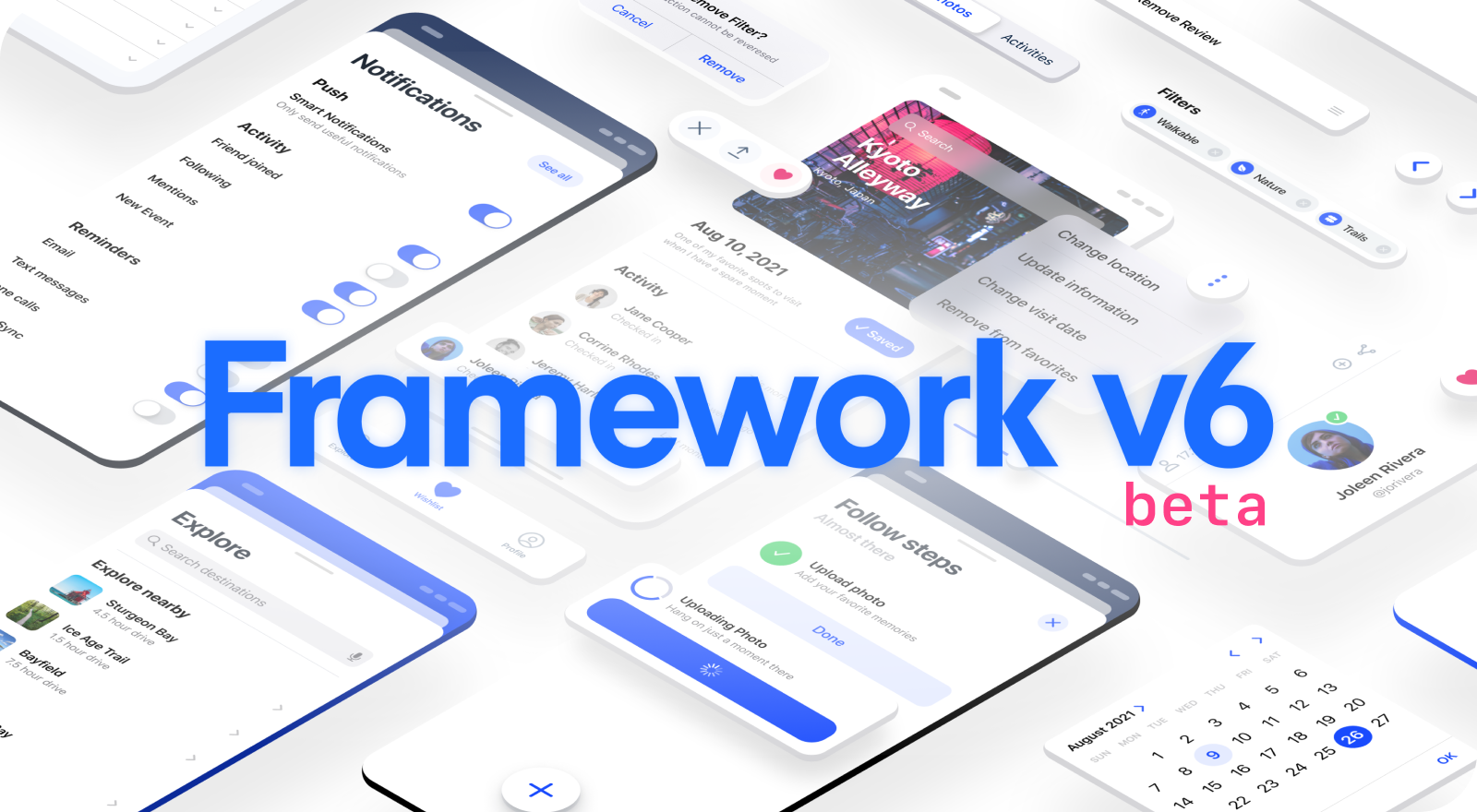
Earlier this week I had the privilege of giving the Ionic Framework Update at Ioniconf 2021 where we announced the Ionic Framework v6 beta. Ionic Framework has come far from its roots as an AngularJS-only UI library to a truly cross-platform framework for building Web Native applications. As we look to the future of Ionic […]
Making PWAs installable - Progressive web apps | MDN
One of the defining aspects of a PWA is that it can be promoted by the browser for installation on the device. Once installed, a PWA appears to users as a platform-specific app, a permanent feature of their device which they can launch directly from the operating system like any other app.

Yes, That Web Project Should Be a PWA
A Progressive Web App (PWA) is a website with special powers. Despite what you might have heard, most websites—and, more importantly, their readers—can benefit from becoming PWAs. And it’s so easy!…

Native Apps are Doomed
From now on, I won’t be building any more native apps. All my apps going forward will be progressive web apps. Progressive web apps are web…

PWA Demos & Examples — What PWA Can Do Today
Learn what Progressive Web Apps are and see 40+ live demos of what they can do today — installation, notifications, file system access, and more.
iOS doesn’t support Progressive Web Apps, so what?
One common argument for why organizations aren’t investing in Progressive Web Apps is that iOS doesn’t support them. Hogwash. Here’s why organizations should invest in Progressive Web Apps regardless. Source: Pixabay Progressive Web Apps still work on iOS Just because iOS doesn’t support every aspect of Progressive Web Apps…

How to Get a Progressive Web App into the Google Play Store | CSS-Tricks
PWA (Progressive Web Apps) have been with us for some time now. Yet, each time I try explaining it to clients, the same question pops up: "Will my users be

Web Components: The Long Game - Infrequently Noted
Web Components have taken longer than any of us would like to emerge as viable alternatives to proprietary systems that lock teams into choices they can't revisit as necessary, but that day is now here, and it couldn't come at a more appropos point in the arc of mobile's growth.
PWAs: building bridges to mobile, desktop, and native (Google I/O '18)
PWA

Progressive web apps
Native Apps Should Be Avoided Whenever Possible — No One's Happy