

Before we fix science, we need to ask who built it!
Metascience Since 2012: A Personal History
This essay is a personal history of the $60+ million I allocated to metascience starting in 2012 while working for the Arnold Foundation (now Arnold Ventures).
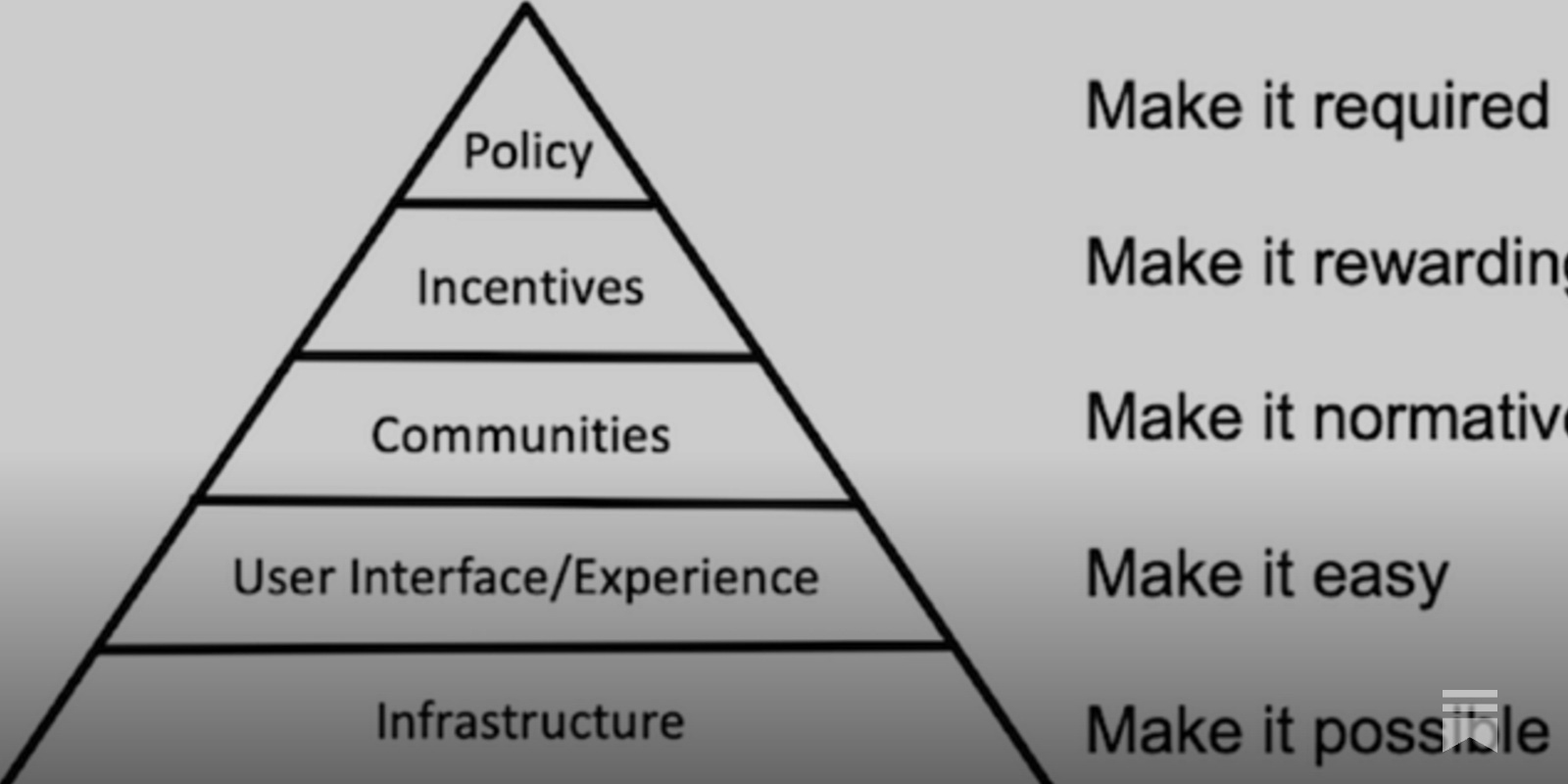
Metaventory — the meta-science community
A comprehensive community of the people building meta-science and the tools they make — psychology and economics first, growing science-wide.

A Vision of Metascience
How does the culture of science change and improve? Many people have identified shortcomings in core social processes of science, such as peer review, how grants are awarded, how people are selected to become scientists, and so on. Yet despite often compelling criticisms, strong barriers inhibit widespread change in such social processes. The result is near stasis, and apathy about the prospects for improvement. People sometimes start new research institutions intended to do things differently; unfortunately such institutions are often changed more by the existing ecosystem than they change it. In this essay we sketch a vision of how the social processes of science may be rapidly improved. In this vision, metascience plays a key role: it deepens our understanding of which social processes best support discovery; that understanding can then help drive change. We introduce the notion of a metascience entrepreneur, a person seeking to achieve a scalable improvement in the social processes of science. We argue that: (1) metascience is an imaginative design practice, exploring an enormous design space for social processes; (2) that exploration aims to find new social processes which unlock latent potential for discovery; (3) decentralized change must be possible, so outsiders with superior ideas can't be blocked by established power centers; (4) ideally, change would align with what is best for science and for humanity, not merely what is fashionable, politically popular, or media-friendly; (5) the net result would be a far more structurally diverse set of environments for doing science; and (6) this would enable crucial types of work difficult or impossible within existing environments. For this vision to succeed metascience must develop and intertwine three elements: an imaginative design practice, an entrepreneurial discipline, and a research field. Overall, it is a vision in which metascience is an engine of improvement for the social processes and ultimately the culture of science.
Where Should Science Go Next
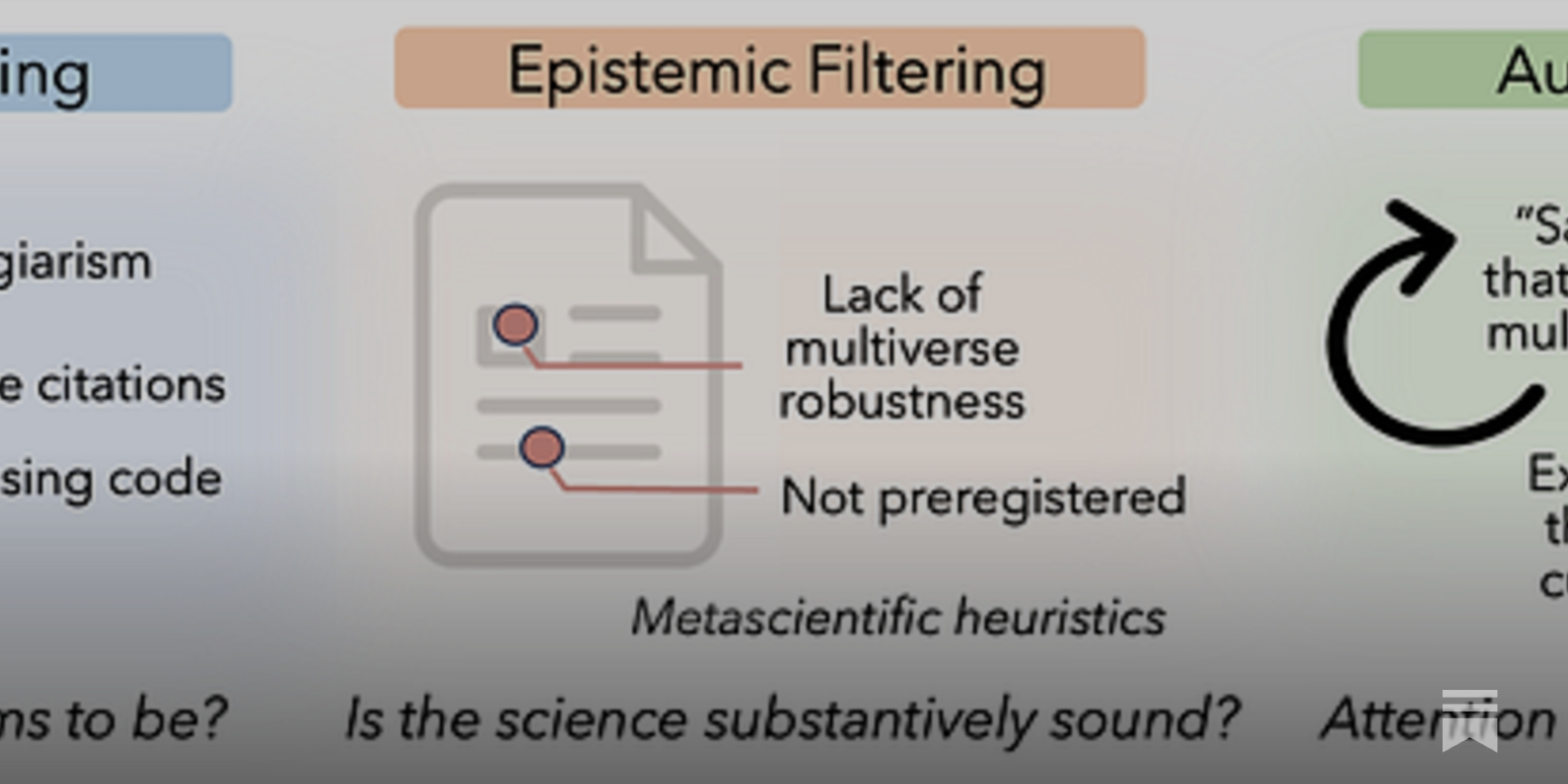
Where Should Science Go Next? Prashant Garg, April 2026 Every researcher has to choose what to work on next. Science has formal procedures for judging answers, but no comparable procedure for comparing questions. Einstein said in 1918 at Max Planck's sixtieth birthday: "There is no logical path t...

Rebuilding the Architecture of Science
Science built the modern world. It’s time to rebuild the world of science.

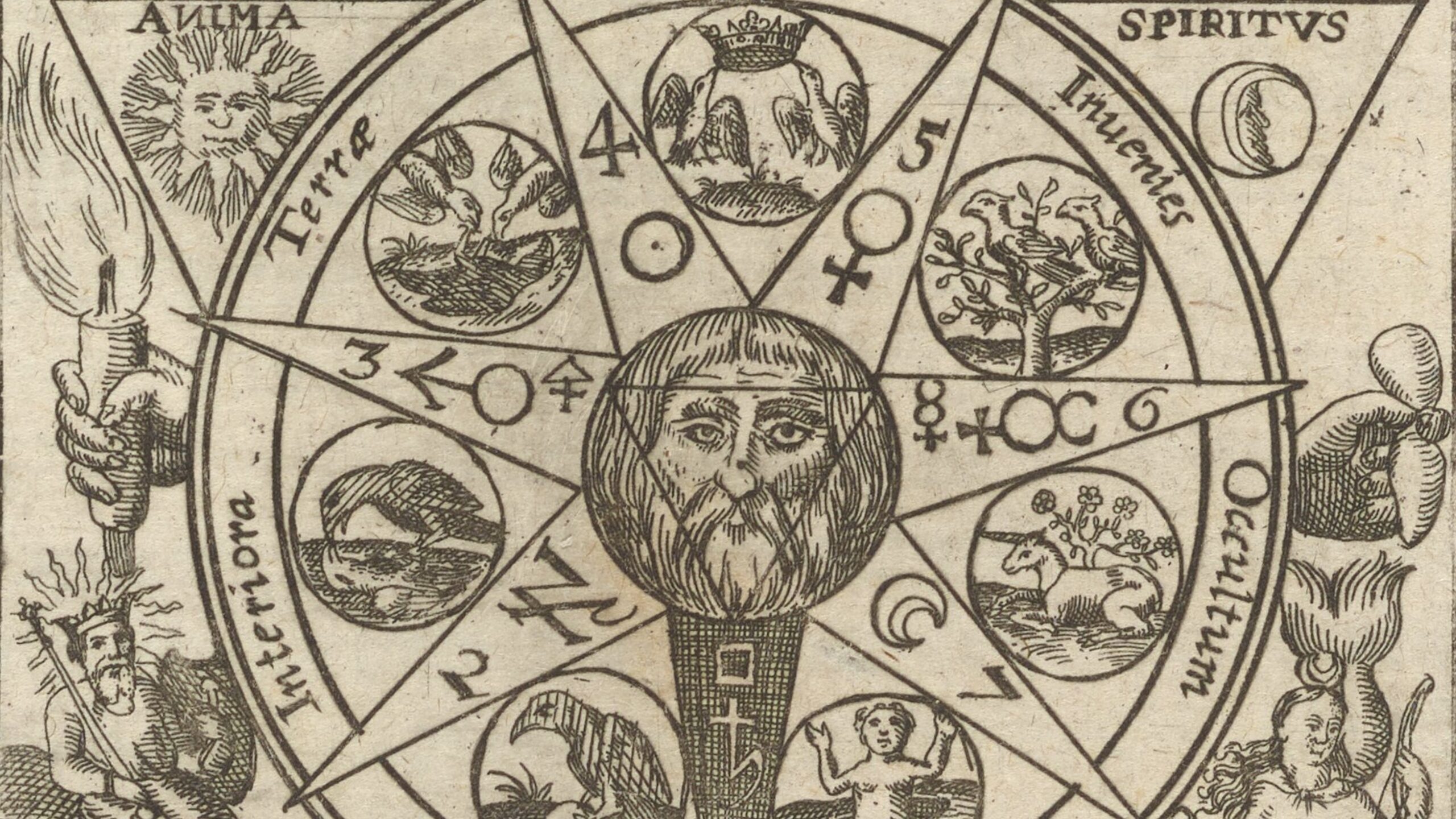
Convergence · Gathering open science · Montreal, June 16–18, 2027
Three days in Montreal for the people rethinking how science is created, shared, funded, published, measured, and used. June 16–18, 2027.

Guest post: If you’re going to critique science, be scientific about it
Loren K. Mell Editor’s note: This post responds to a Feb. 13 article in The Atlantic, “The Scientific Literature Can’t Save Us Now,” written by Retraction Watch cofounders Adam Marcus and Ivan Oran…
Do the Math | Using physics and estimation to assess energy, growth, options—by Tom Murphy
Few among us question actions done “in the name of science” when said actions are carried out by credible groups or individuals. It goes without saying that the acquisition and expansion of knowledge is highly valued. As long as the pursuit is not directly harmful to people, it generally gets a pass. But one level deeper, what is science itself done in the name of?
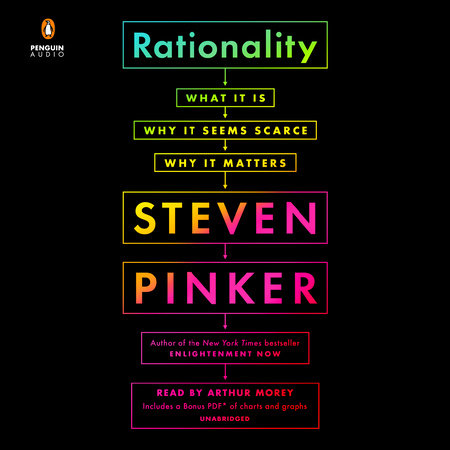
Rationality: What It Is, Why It Seems Scarce, Why It Matters by Steven Pinker
In the twenty-first century, humanity is reaching new heights of scientific understanding—and at ...
⚡ Metaventory: building better science ⚡ Had many discussions about the need for mapping out all that's meta-science: people, tools, events, jobs, simulations, etc. in one place. Metaventory aims to help connect those interested in meta-science & improving science. metaventory.vercel.app

