

The C programming language is not trendy. The most recent edition of the canonical C text (the excitingly named The C Programming Language)…
Its Time for a New Programming Language
Today, when compared to any other point in programming history, we find ourselves spoiled for choice when it comes to programming…

The Story of C++: The World's Most Consequential Programming Language | The Official Story
Learn C • Build Your Own Lisp
If you're looking to learn C, or you've ever wondered how to build your own programming language, this is the book for you.
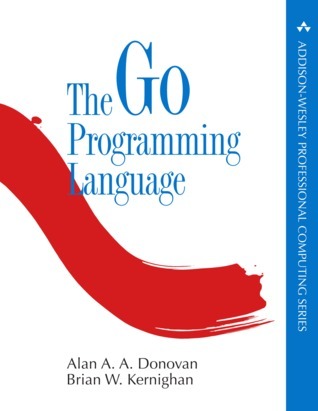
The Go programming language
Go may be our generation's most important new programming language. It is exceptionally expressive, highly efficient in both compilation and execution, and enables the development of extremely reliable and robust programs. It shares the same spirit programmers once found in C: it helps serious professional programmers achieve maximum effect with minimum means. Now, Go shares something else with C, too. Brian Kernighan, who wrote the world's most respected and useful C primer for working programmers, has just done the same for Go. Together with Google Go insider Alan Donovan, Kernighan explains what Go does and doesn't borrow from C ... the great ideas it borrows from other modern languages ... and how it avoids features that lead to unnecessary complexity and unreliable code. Throughout, their short, carefully-crafted code examples demonstrate today's most effective Go idioms, so you can start using Go effectively right from the beginning, and quickly take advantage of its full power. All code has been extensively reviewed by Go's creators at Google for both completeness and accuracy
Roc on Twitter / X
New syntax, new compiler, new Roc ✨Watch the full talk on where the language is today and where we’re going:https://t.co/FltMYr1YiR— Roc (@roc_lang) November 25, 2025
Write code that is easy to delete, not easy to extend.
“Every line of code is written without reason, maintained out of weakness, and deleted by chance” Jean-Paul Sartre’s Programming in ANSI C.
Modular: The Claude C Compiler: What It Reveals About the Future of Software
Compilers occupy a special place in computer science. They're a canonical course in computer science education. Building one is a rite of passage. It forces you to confront how software actually works, by examining languages, abstractions, hardware, and the boundary between human intent and machine execution.

RFC: Programming Languages Course Reboot, 2026
Ncursesw - RogueBasin
The version of the popular ncurses library that handles wide characters, or Unicode, is surprisingly difficult to get working with C programs. This article is intended to be a checklist for developers so that they can effectively use the library.
proposal: cmd/cgo: cgo without a C toolchain · Issue #81450 · golang/go
Cgo Without C Toolchain Background Cgo provides a mechanism to incorporate C code into Go programs. Currently, it requires a C toolchain to be present on the host system whenever building code with...
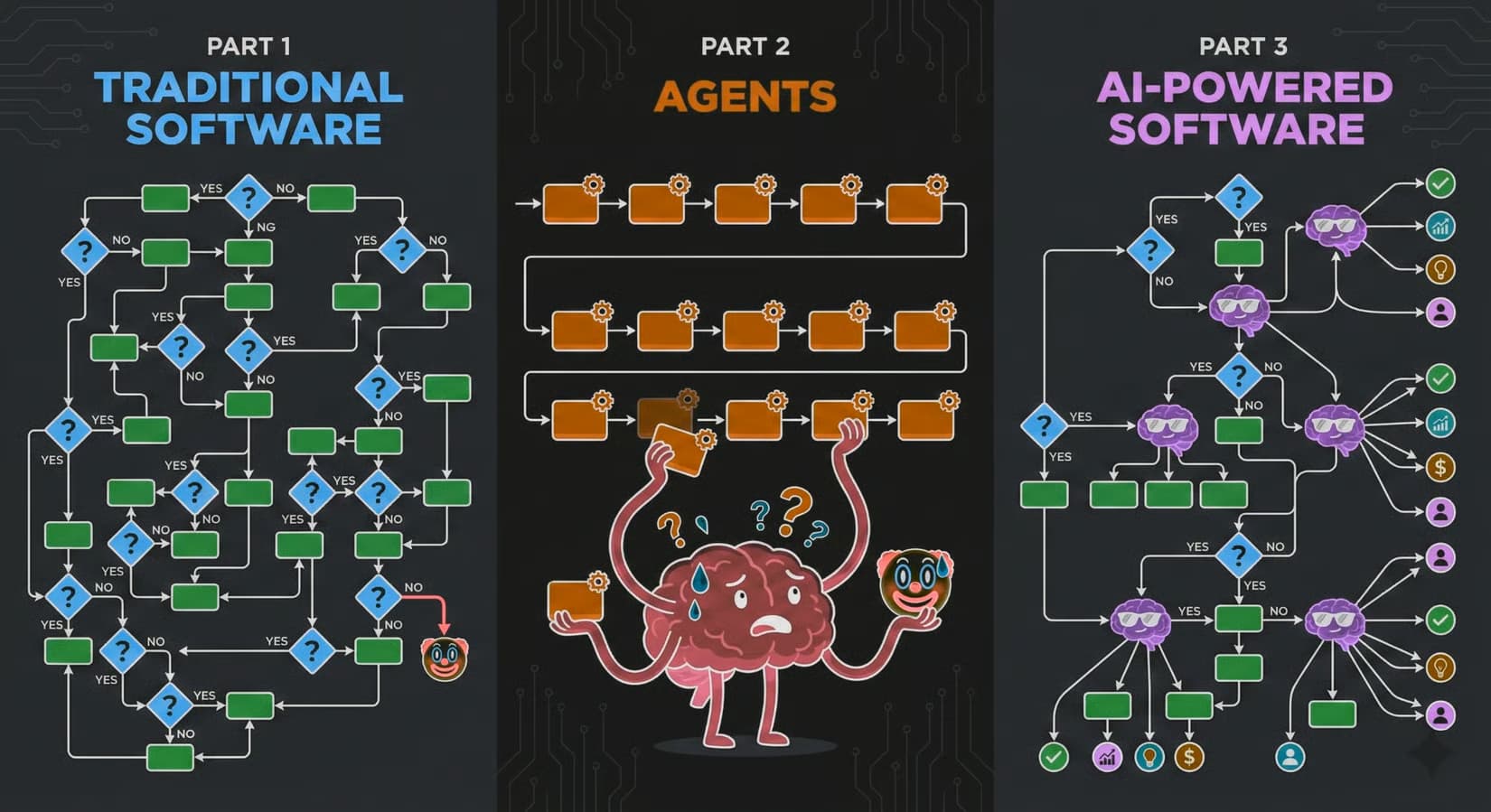
What I Found Interesting in Claude Code's Source
A breakdown of the most interesting engineering patterns in Claude Code's leaked source code: composable system prompts, runtime instruction injection, context compression, forking, prompt caching architecture, and more.
ZigCool
I can’t think of any other language in my 45 years long career that surprised more than Zig. I can easily say that Zig is not only a new programming language, but it’s a totally new way to write programs, in my opinion. To say it’s merely a language to replace C or C++, it’s a huge understatement.
Coroutines in C
[Coroutines trilogy: C preprocessor | C++20 native | general philosophy ]
A break from programming languages
This is a blog post I have been considering writing for a long time.
It's Not Easy Being Green: On the Energy Efficiency of Programming Languages
Does the choice of programming language affect energy consumption? Previous highly visible studies have established associations between certain programming languages and energy consumption. A causal misinterpretation of this work has led academics and industry leaders to use or support certain languages based on their claimed impact on energy consumption. This paper tackles this causal question directly: it develops a detailed causal model capturing the complex relationship between programming language choice and energy consumption. This model identifies and incorporates several critical but previously overlooked factors that affect energy usage. These factors, such as distinguishing programming languages from their implementations, the impact of the application implementations themselves, the number of active cores, and memory activity, can significantly skew energy consumption measurements if not accounted for. We show -- via empirical experiments, improved methodology, and careful examination of anomalies -- that when these factors are controlled for, notable discrepancies in prior work vanish. Our analysis suggests that the choice of programming language implementation has no significant impact on energy consumption beyond execution time.
