

How Valve’s perfect work culture turned into a toxic bully’s yard and what it tells us about “flat hierarchy” workplaces.
Ex-Valve employee describes ruthless internal politics at 'self-organizing' companies
He doesn't name the company in question, but it doesn't take any stretching to figure out who he's talking about in cases.
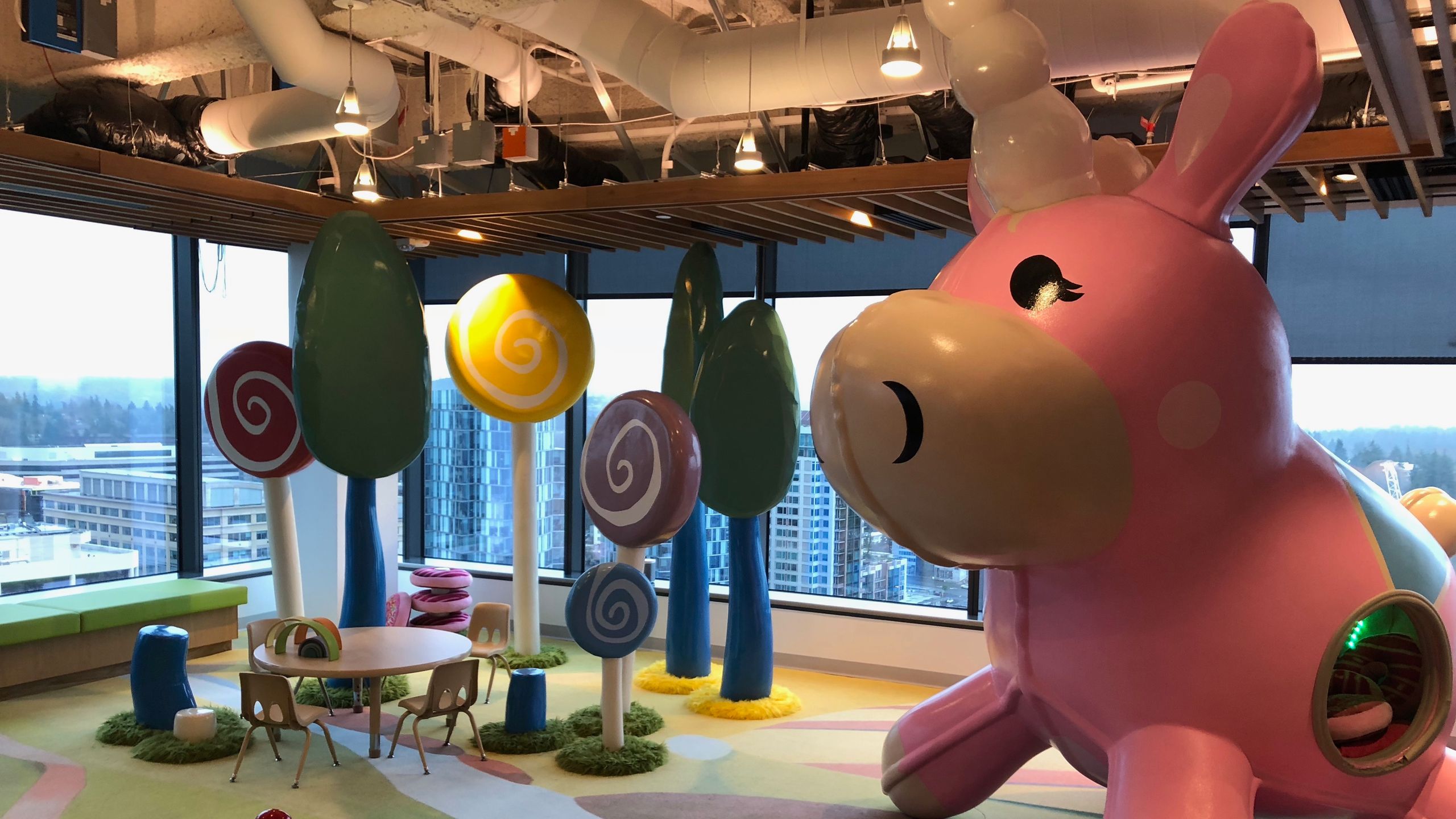

The Fractal Organization
The world of management is in crisis - the old remedies no longer work and organizations are failing at an increasing rate. Although many talk of 'joined up thinking', few offer practical guidance on how to achieve this in organizations. <b><i>The Fractal Organization</i></b> sets down the practical implications of a well tested systemic approach to building organizations that are capable of surviving and flourishing in these turbulent times. <p>"An excellent read…Many organizations fail at the mercy of their own ignorance. The author has done an excellent job in making ‘the science of effective organization’ accessible to management, providing them with a new knowledge to deal with the uncertainties that the markets place upon them."<br /><b>Stephen J. Brewis, Business Architect, British Telecom</b></p> <p>"...one of the most interesting, thorough and rigorous guides to management that I have ever read, … introduces new insights in every chapter… carries a credibility which acts as a counterbalance to the sometimes difficult message which he conveys which is that a lot of mainstream management practice is at best ineffective and at worst downright destructive. I would recommend this book to anyone interested in management or systems thinking."<br /><b>Penny Marrington</b>, <b>Course Chair, Systems Group, Open University</b></p> <p>"In my opinion this book manages to present sound academic theory that is relevant and helpful to the practitioner in the business. I experienced several A-HA moments."<br /><b>Pauline Marsh, Strategy Director, CS&S International, BAE SYSTEMS</b></p> <p>"The insights of the Viable System Model have been open only to a select few for much too long. Hoverstadt has gone furthest in bringing these ideas to a wider audience…Management books have too often been serious but not practical, or practical but not serious. This book is both brilliantly serious and practical, and often entertaining too."<br /><b>Professor Peter Kawalak, Manchester Business School</b></p> <p>"Integrates mainstream management ideas with the systems ideas underpinning the VSM, and flows and reads well. As a starting point for developing understanding of the VSM in today's world this book improves greatly on all books that have gone before, I would certainly recommend it to colleagues, clients, and students."<br /><b>Dr. Robin Asby, Course Chair, Communication and Systems, Open University</b></p>
Gamified Capitalism and 21st Century Fascism w/ Max Haiven
The Rise of the Decentralized Startup
I think we’re seeing a very big shift right now in how startups are created and operate. But before we dig into that, I want to spend some time talking about work. For centuries, work has bee…

Why GitHub Finally Abandoned Its Bossless Workplace
The software maker, which once prided itself on a flat corporate environment similar to Valve and Zappos, finds that workers can benefit from a little direction.

Rebooting the Tech Worker Movement - Dissent Magazine
Workplace organizing in the tech sector has undergone a steep decline. What went wrong?

Scale deep — The Systems Sanctuary
The world calls us to shift our mindsets and values from outdated ways of being and doing rooted in dominance, hierarchy and harmful systems, towards new ways rooted in relationship, collaboration and innovation.

What Google Learned From Its Quest to Build the Perfect Team (Published 2016)
New research reveals surprising truths about why some work groups thrive and others falter.

Here Comes Everybody (book)
Here Comes Everybody: The Power of Organizing Without Organizations is a book by Clay Shirky published by Penguin Press in 2008 on the effect of the Internet on modern group dynamics and organization. The author considers examples such as Wikipedia, MySpace, and other social media in his analysis. According to Shirky, the book is about "what happens when people are given the tools to do things together, without needing traditional organizational structures". The title of the work alludes to HCE, a recurring and central figure in James Joyce's Finnegans Wake and considers the impacts of self-organizing movements on culture, politics, and business.

Enshittification, Despotification, and the Open Internet
It’s not about whether technology is inherently good or bad, liberating or oppressive. Architecture shapes incentives; incentives shape outcomes.

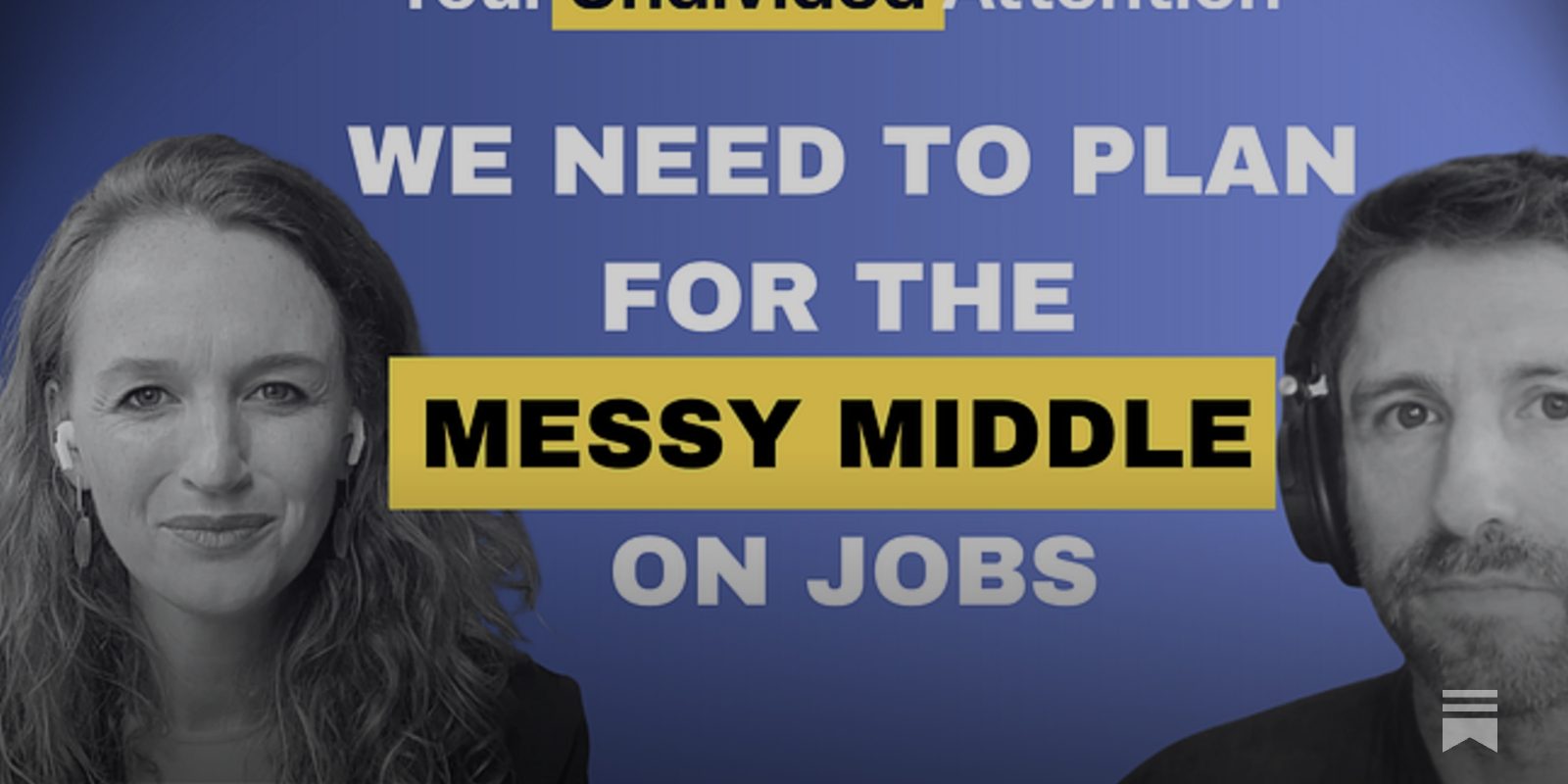
Enough Debate about the AI Jobpocalypse. We Need To Plan for the Messy Middle.
Caught between arguments of abundance and apocalypse, economist Molly Kinder explores what workers can expect in the near future — and what we can do about it.
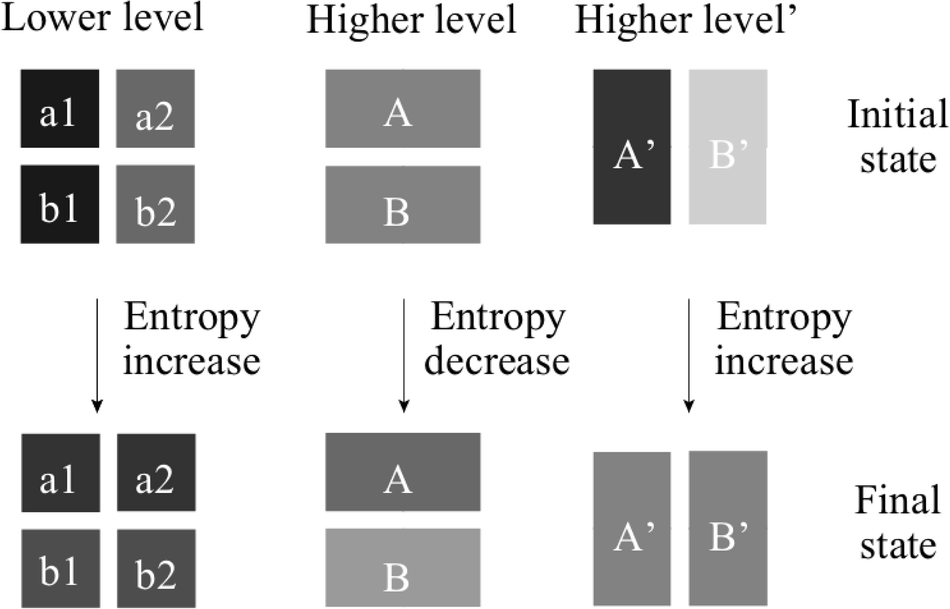
Self-organizing systems: what, how, and why?
I present a personal account of self-organizing systems, framing relevant questions to better understand self-organization, information, complexity, and emergence. With this aim, I start with a notion and examples of self-organizing systems (what?), continue with their properties and related concepts (how?), and close with applications (why?) in physics, chemistry, biology, collective behavior, ecology, communication networks, robotics, artificial intelligence, linguistics, social science, urbanism, philosophy, and engineering.
The Fractal Organisation Manual: How to diagnose & design organisations using the Viable System Model | SCiO - Systems and Complexity in Organisation
RRP: £12.99; Paperback: 192 pp; Publisher: SCiO; ISBN 979-8250847018
Work Smarter: The Cocktail of Simplicity, Manageable Adversity, and Muntzing
Sometimes deliberate roadblocks can be a good thing to get more efficient and effective products and workflow. Here's how.

Appearing Productive in The Workplace — No One's Happy
AI can produce work that looks expert without being expert. The failure arrives in two shapes, and both are reshaping the workplace.