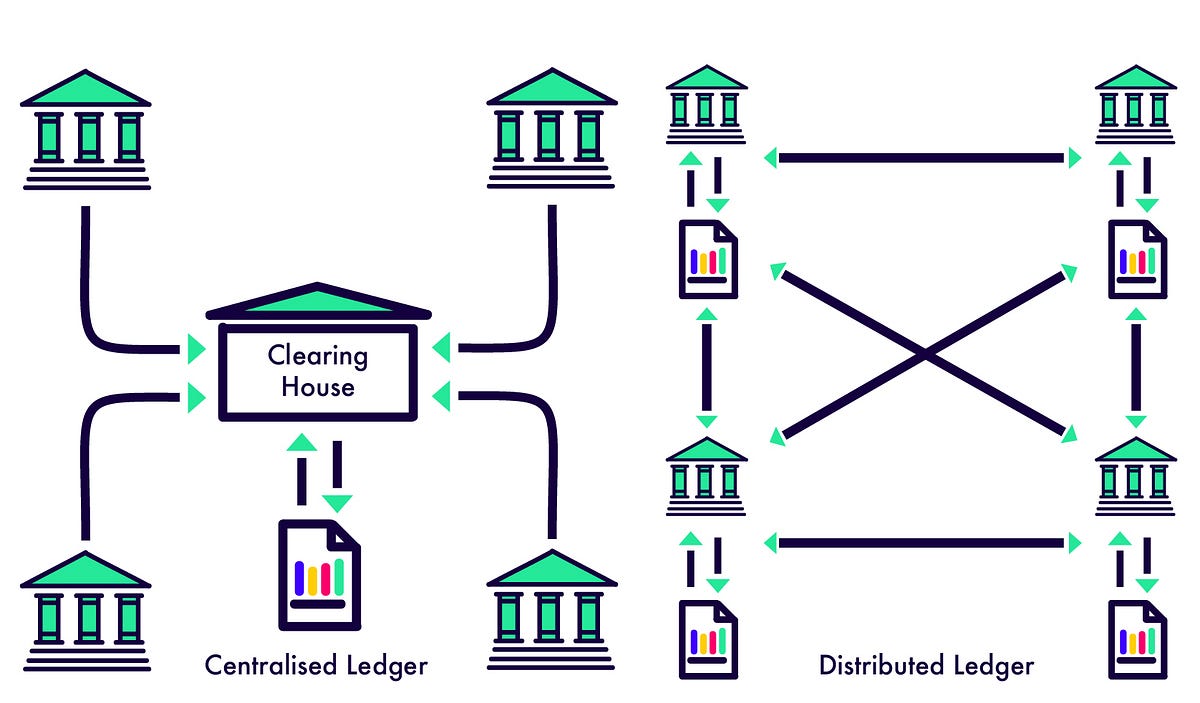
The blockchain revolution is growing open source
Fueling Open Source with Vibes & Money
Economists think Open Source is a business model. Devs know better, and fund it accordingly.
The future of open source is still very much in flux
Free and open software have transformed the tech industry. But we still have a lot to work out to make them healthy, equitable enterprises.

More Money For Better Open-Source Software
Is This the End of Open-Source? | Built In
Open-source licensure empowers governments and moneyed interests over devs. A reckoning might be on the horizon.

Open Source is Not Enough
by James Halliday // The open source movement has fundamentally changed how software gets written. But in the process, corporations have been given a vast gift of free labor.
The Money In Open-Source Software | TechCrunch
It’s no secret that open-source technology -- once the province of radicals, hippies and granola eaters -- has gone mainstream. According to industry estimates, more than 180 young companies that give away their software raised roughly $3.2 billion in financing from 2011 to 2014. Despite the growing popularity of open-source software, though, many open-source companies are not financially healthy.

Where money meets open source
Nadia Eghbal explores how money can support open source development without changing its incentives.

In 2019, multiple open source companies changed course—is it the right move?
We have to draw a line between open source and the right to make money with open source."
The emerging economic paradigm of Open Source
The following commentary is part of First Monday's Special Issue #2: Open Source. Open Source developers have, perhaps without conscious intent, created a new and surprisingly successful economic paradigm for the production of software. Examining that paradigm can answer a number of important questions. It's not immediately obvious how Open Source [1] works economically. Probably the worst consequence of this lack of understanding is that many people don't understand how Open Source could be economically sustainable, and some may even feel that its potential negative effect upon the proprietary software industry is an overall economic detriment. Fortunately, if you look more deeply into the economic function of software in general, it's easy to establish that Open Source is both sustainable and of tremendous benefit to the overall economy. Open Source can be explained entirely within the context of conventional open-market economics. Indeed, it turns out that it has much stronger ties to the phenomenon of capitalism than you may have appreciated.
Open Collective Launches New Way to Support Open Source through Public Stock Shares
It’s no secret that companies are making loads of cash using open source technology. A 2021 survey of 1,250 IT leaders commissioned by Red Hat found that 90% are using enterprise open source …

The New Deal for the Open Source Community
Building the Economic Layer to our Digital Infrastructure
Open Source Is Eating The Software World
It's been said software is eating the world. This year’s Future of Open Source survey points to the fact that open source is eating the software world.

Open Source Doesn’t Make Money Because It Isn’t Designed To Make Money
We all know the story: you can’t make money on open source. Is it really true?
Open source and the software supply chain
Managing something as esoteric as resources for building software with a variety of contributions made by the open source community is more amorphic.

Open Source infrastructure deserves a business model
Open Source infrastructure is essential, invisible, and chronically underfunded. A more sustainable approach may be to connect the cost of running that infrastructure to the organizations that rely on it most.