News organisations and citizens need to stay constructive and keep looking for ways to make Facebook a more informative space.
Publishers fearing Facebook dependency: fight for your future, reinvent RSS.
Right now Facebook accounts for over 40% of all traffic for U.S. news organizations, making many dependent on the social network for…

Reddit holds the secret to fixing Facebook
News discussion site Reddit offers a model for a fairer internet - if it can overcome its flaws.
Facebook content management controversies
Facebook and Meta Platforms have been criticized for their management of various content on posts, photos and entire groups and profiles. This includes but is not limited to allowing violent content, including content related to war crimes, and not limiting the spread of fake news and COVID-19 misinformation on their platform, as well as allowing incitement of violence against multiple groups.

Criticism of Facebook
Facebook (and parent company Meta Platforms) has been the subject of criticism and legal action since it was founded in 2004.[1] Criticisms include the outsize influence Facebook has on the lives and health of its users and employees, as well as Facebook's influence on the way media, specifically news, is reported and distributed. Notable issues include Internet privacy, such as use of a widespread "like" button on third-party websites tracking users,[2][3] possible indefinite records of user information,[4] automatic facial recognition software,[5][6] and its role in the workplace, including employer-employee account disclosure.[7] The use of Facebook can have negative psychological and physiological effects[8] that include feelings of sexual jealousy,[9][10] stress,[11][12] lack of attention,[13] and social media addiction that in some cases is comparable to drug addiction.[14][15]
How to Fix Facebook—Before It Fixes Us
An early investor explains why the social media platform’s business model is such a threat—and what to do about it.

How to rage bait Americans
The Guardian pulls out of Facebook’s Instant Articles and Apple News
"Our primary objective is to bring audiences to the trusted environment of the Guardian to support building deeper relationships."
Note from Mark Zuckerberg
Everything we do at Facebook is focused on our mission to make the world more open and connected.
Facebook Shouldn't Give Politicians More Power Than Ordinary Users
Amidst escalating rhetoric about alleged "anti-conservative bias" on social media, Facebook has doubled down on its policies exempting (some) politicians from its ordinary fact-checking and from its

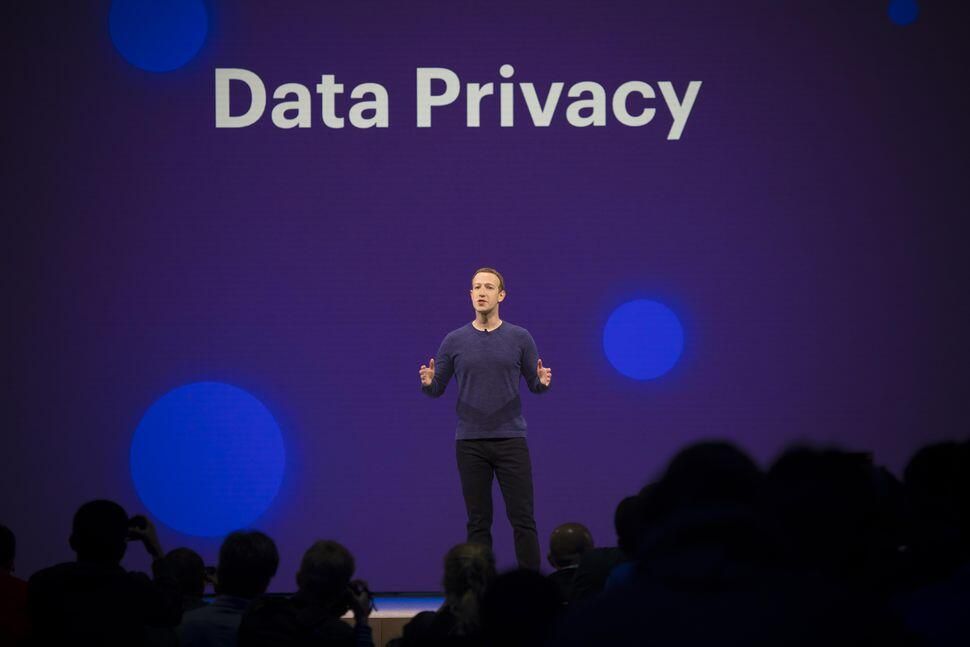
Facebook Data Privacy Scandal: A Cheat Sheet - TechRepublic
Read about the saga of Facebook's failures in ensuring privacy for user data, including how it relates to Cambridge Analytica, the GDPR, the Brexit campaign, and the 2016 US presidential election.
Widely Viewed Content Report: What People See on Facebook | Transparency Center
Facebook regularly publishes reports to give our community visibility into community standards enforcement, government requests and internet disruptions
Changes to the Facebook Algorithm Decreased News Visibility Between 2021-2024
Platforms, especially Facebook, are primary news sources in the US. In its widely criticized "War on News," Meta algorithmically deprioritized news and political content. We use data from 40 news organizations (5,243,302 Facebook posts, 7,875,372,958 user reactions) and 21 non-news pages (396,468 posts; 1,909,088,308 reactions) between January 1, 2016 and February 13, 2025 to examine how these changes influenced news visibility on the platform. Reactions to news declined by 78% between 2021 and 2024 while reactions to non-news pages increased, indicating targeted suppression of news visibility. Low-quality sources were especially suppressed, yet the 2025 end to "War on News" increased user reactions to news, especially low-quality ones. These changes do not reflect decreased news supply, Facebook user base, or interest in news over this period.

“Men Are Scum”: Inside Facebook’s War on Hate Speech
The company blew it on privacy and fake news. Can it do better against trolls and racists? An exclusive embed with Facebook’s shadow government.

Can We Build a Better Facebook? - JSTOR Daily
Is it time to turn our back on Facebook? And if so, what social network could possibly replace it?

How to Responsibly Report on Hacks and Disinformation
The run-up to the 2016 U.S. presidential election illustrated how vulnerable our most venerated journalistic outlets are to a new kind of information warfare. Reporters are a targeted adversary of foreign and domestic actors who want to harm our democracy. And to cope with this threat, especially in an election year, news organizations need to prepare for another wave of false, misleading, and hacked information. Often, the information will be newsworthy. Expecting reporters to refrain from covering news goes against core principles of American journalism and the practical business drivers that shape the intensely competitive media marketplace. In these cases, the question is not whether to report but how to do so most responsibly. Our goal is to give journalists actionable guidance.
553,000,000 Reasons Not to Let Facebook Make Decisions About Your
Another day, another horrific Facebook privacy scandal. We know what comes next: Facebook will argue that losing a lot of our data means bad third-party actors are the real problem that we should