And other lessons from a year of creating developer content
Stack Overflow Developer Survey 2026
More than 30K technologists from 169 countries have shared their thoughts with us, and now it’s time to share everything we’ve learned with you. So let’s dive into this year’s Annual Developer Survey.

Guide to Incrementals/Appeal to Developers | The Paper Pilot
The Paper Pilot's digital garden of thoughts on philosophy, politics, and sociology
Stack Overflow Developer Survey 2023
In May 2023 over 90,000 developers responded to our annual survey about how they learn and level up, which tools they're using, and which ones they want.
What’s new for developers? (March 2024)
The latest installment of a monthly roundup that showcases features that are specific to theme and plugin developers with a special focus on the WordPress 6.5 development cycle.

Programming as Theory Building: Why Senior Developers Are More Valuable Than Ever
Peter Naur's 1985 theory of programming explains why experience matters more in the age of AI-generated code
“We should be more ambitious with the software we build”

When is the right time to share our excitement about new web features? | Rachel Andrew
When we share content about emerging web platform features, we have to be careful that we aren’t frustrating people with things they can’t use yet. However there is a place for talking about new things, and people who enjoy hearing about them. This post is about some of the ways I try to meet the needs of a browser DevRel team that need to share information about new things, with those of developers who need to know what actually works now. If you write or speak about the web, perhaps some of these ideas will help you too.
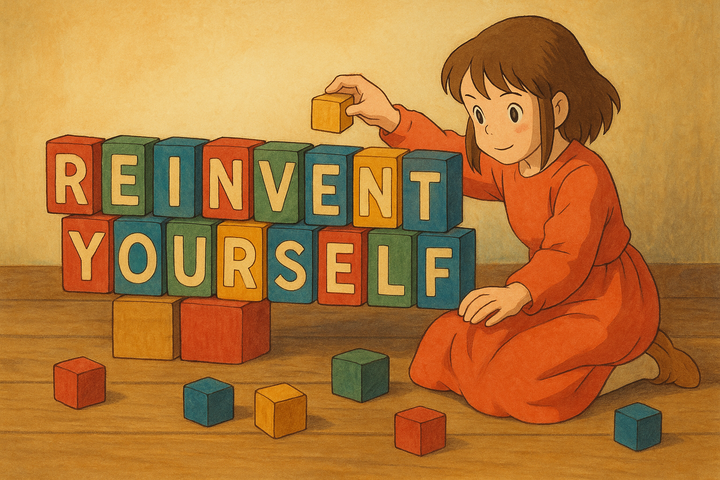
Developers, Reinvented – Thomas Dohmke
What started as fear of AI replacing developers is switching to pragmatically embracing the ambitious reality of AI and viewing it as a growth opportunity. As we build the tools of tomorrow, we can usher developers through this reinvention of their role in ways that are intuitive, delightful, and cater to developers’ curiosity, keeping them fulfilled and happy during the transition. That makes us optimistic. Realistically.

21 Lessons From 14 Years at Google
Lessons learned from 14 years of engineering at Google, focusing on what truly matters beyond just writing great code.

Mythical man month : 10 lines per developer day - NDepend Blog
February 10, 2020 4 minutes read The mythical book, Mythical man month quotes that no matter the programming language chosen, a professional developer will write on average 10 lines of code (LoC) day. After 14 years of full-time development on the tool NDepend I’d like to elaborate a bit here. Let’s start with the definition of logical … Continue reading Mythical man month : 10 lines per developer day

Aspiration | Better Tools for a Better World
It's our 23rd Anniversary! Nonprofit staff, developers, capacity builders, and grassroots activists will convene at the 2026 Nonprofit Software Development Summit, 18-20 November, 2026, to share knowledge, build capacity, and collectively envision the future of free, open and equitable digital tools and practices to support social change efforts.
Less is more, more or less
In the age of AI, knowing what not to build might be the most important skill of all.
Writing Code vs. Shipping Code: Productivity Effects Across Generations of AI Coding Tools
How do the productivity effects of AI evolve across successive generations of tools, and to what extent do task-level gains ultimately translate into final output? We study these questions in the context of software development, using data on more than 100,000 GitHub developers combined with their AI usage telemetry. In a matched event study design, we find that autocomplete, interactive coding agents, and autonomous coding agents each significantly increase coding activity ("commits"), with respective cumulative effects of 40%, 140%, and 180%. These gains, however, attenuate sharply across the production hierarchy: the 180% cumulative effect falls to 50% for the number of projects, and to 30% for actual releases. This pattern is consistent with the weak-link hypothesis: the strong productivity gains from AI are attenuated by human bottlenecks in the production chain, with an estimated elasticity of substitution of 0.25 between AI and human effort, which indicates strong complementarities. We further confirm these results across four major app marketplaces, finding a moderate increase in the number of new apps but no increase in total usage. Large task-level AI productivity gains have therefore translated only partially into shipped and used software thus far.

Twelve tips for growing communities around your open source project | Ben Balter
Publishing code isn't enough. Twelve practical tips to attract users, welcome contributors, and grow a healthy open source community.