


Capture and Conversion
Britain Still Has Conversion Therapists. Here’s Why.
The Gutenberg Parenthesis
A 2024 CHOICE OUTSTANDING ACADEMIC TITLEPROSE AWARDS MEDIA AND CULTURAL STUDIES FINALIST 2024The Gutenberg Parenthesis traces the epoch of print from its fatefu…

Internet Archive
We saw the www.lostlandscapes.org show which was put on to benefit the Internet Archive which suffered from a fire recently. The show featured footage of SF from the 1920s to 1980s. The soundtrack is the crowd, as they yell out recognized locations and ask questions, etc. The Internet Archive (which has the Wayback Machine) is located in a former church. The grand hall is where the show was held, and you can see that the church pews are still in tact. In the alcoves at the back are two server racks which store the master copy of the archives. On the edges are little statues. Those are representations of people who dedicated many hours volunteering for the archive. The one I happened to photograph is Aaron Swartz.

Solidarity Cinema
We believe liberatory media should be as free as the future we struggle toward. We’ll do our best to collectively update and maintain the library and catalog. For now the catalog is updated occasionally, but films are added regularly.

The Vintage Technology Digital Archive
Archiving web sites
I recently took a deep dive into web site archival for friends who were worried about losing co [...]
The Skeleton Library
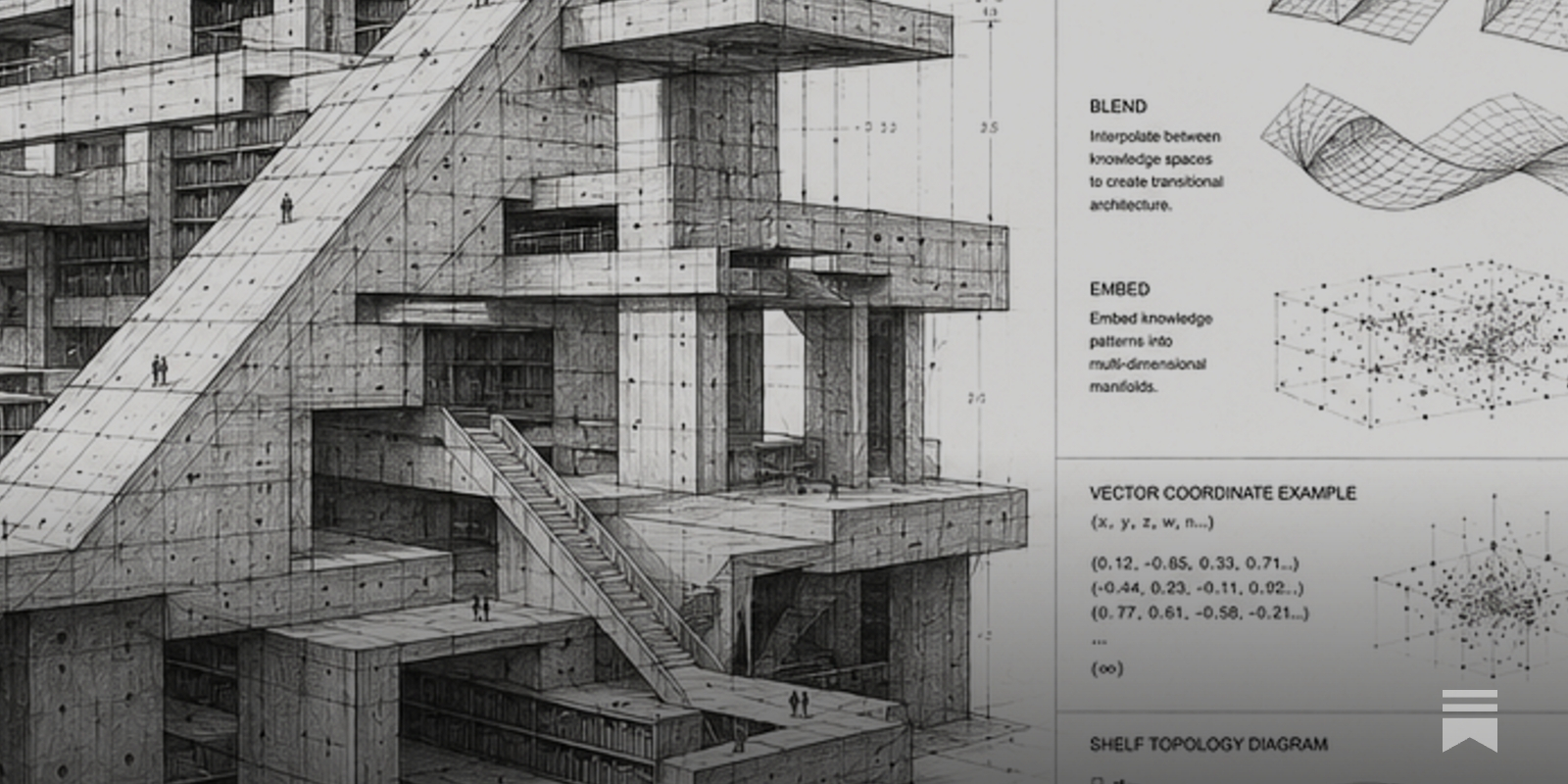
On Interpolatable Archives, Part 1: Compulsions to Connect, Warburg, Borges and Goldsmith, Cultural Technologies and Digital Oralities
Cassyni Archivist
Cassyni Archivist joins approved talks, captures the session and chat, enriches it with AI, and publishes a citable video record when you choose to make it public.
Paper's back | Paul Stephenson | Offprint
Get all episodes of the Sunset Chronicles in print now

The Sounds Resource
Archiving and preserving video game media since 2003!

Michael Thrower Chowdhury on Twitter / X
This book is very good. I started it today and was hooked, am about halfway through already. Cooper assesses the ways in which beliefs in traditional family structures underpin the laissez-faire resurgence of the 1990s. Definitely recommend. pic.twitter.com/hPYnom4XGV— Michael Thrower Chowdhury (@BevansAdvocate) September 27, 2026

José María Luna
Vector - The Journal of the British APL Association (WP)
About a year ago, my daughter scanned nearly 600 old family photographs, adding captions to them as she went. This was fine as a start but then I was asked for photos of my grandparents’ weddings there was nothing for it but to...
Back into blogging and just published something I've been thinking about for a while now – making archival content more resilient and discoverable on atproto. Oral history, interactive transcripts, content addressing, and keeping important stories from being quietly erased. maboa.it/resilient-archives-on-the-at-…

Keeping Archives Alive: Resilience and Discovery on ATProto
maboa.it