

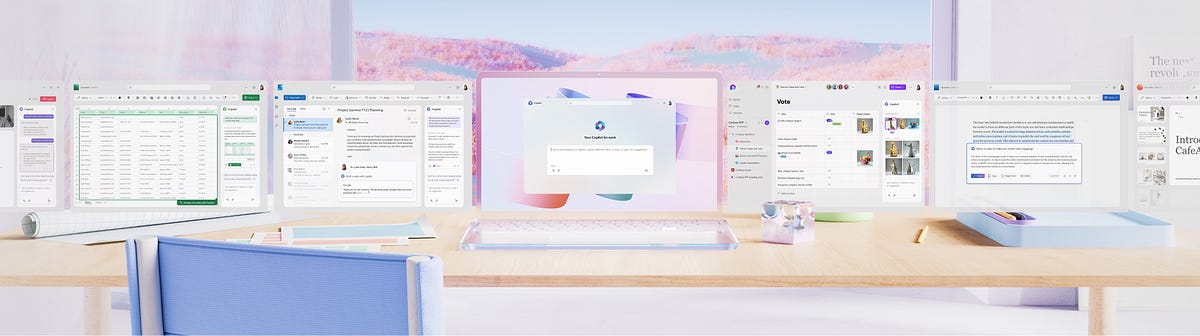
When the system is the product; on crafting the next generation of user experiences
Designing in the age of ChatGPT
Disruption, opportunities, and the evolving role of design.

High-Tech Anthropology® Process Tour
Come learn about the benefits of observing end users, creating and mapping personas, and assessing iterative designs. Additionally, see the other tools we use and visuals we create to capture and distill information that will help us mitigate the risk of a failed end product. These steps build the foundation for user-friendly designs tailored to target persona(s) – for products that are actually adopted (and even enJOYed!) rather than tossed to the side or treated like paperweights.

The Incongruence of the Designed and the Designer — fasterandworse
A fundamental attribute of User Experience design is its inability to change the underlying product. The concerns of a UX designer, or r...

Design System Diary (Part 1) | Mike Aparicio
Chronicling the start of a new design system.
Should you invent a new UX? - @ASmartBear
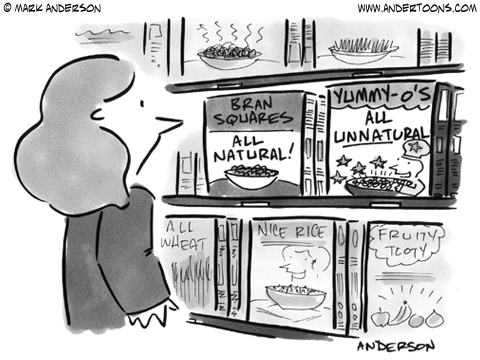
Using common metaphors makes your product UI identical to all the others. There’s no personality, no brand, solidifying the notion that this product is “just another tool” rather than a new way of interacting with a computer. Surely technology can be better than that. But this is an egocentric view. Your customers don’t want to figure out some newfangled damn thing just to navigate a dialog box. Which way is the right way?
Built by Designers: No Explanation Needed
Designers now turn ideas into working products. Explore a curated collection of apps, tools, websites, and experiments designed, built, and shipped by designers.
Design System | TanStack
The TanStack Design System — living design tokens and components.

Learning From Terminals to Design the Future of User Interfaces
How we overvalue the wrong technology and novel aspects of interface design at the expense of substantial gains to our productivity.
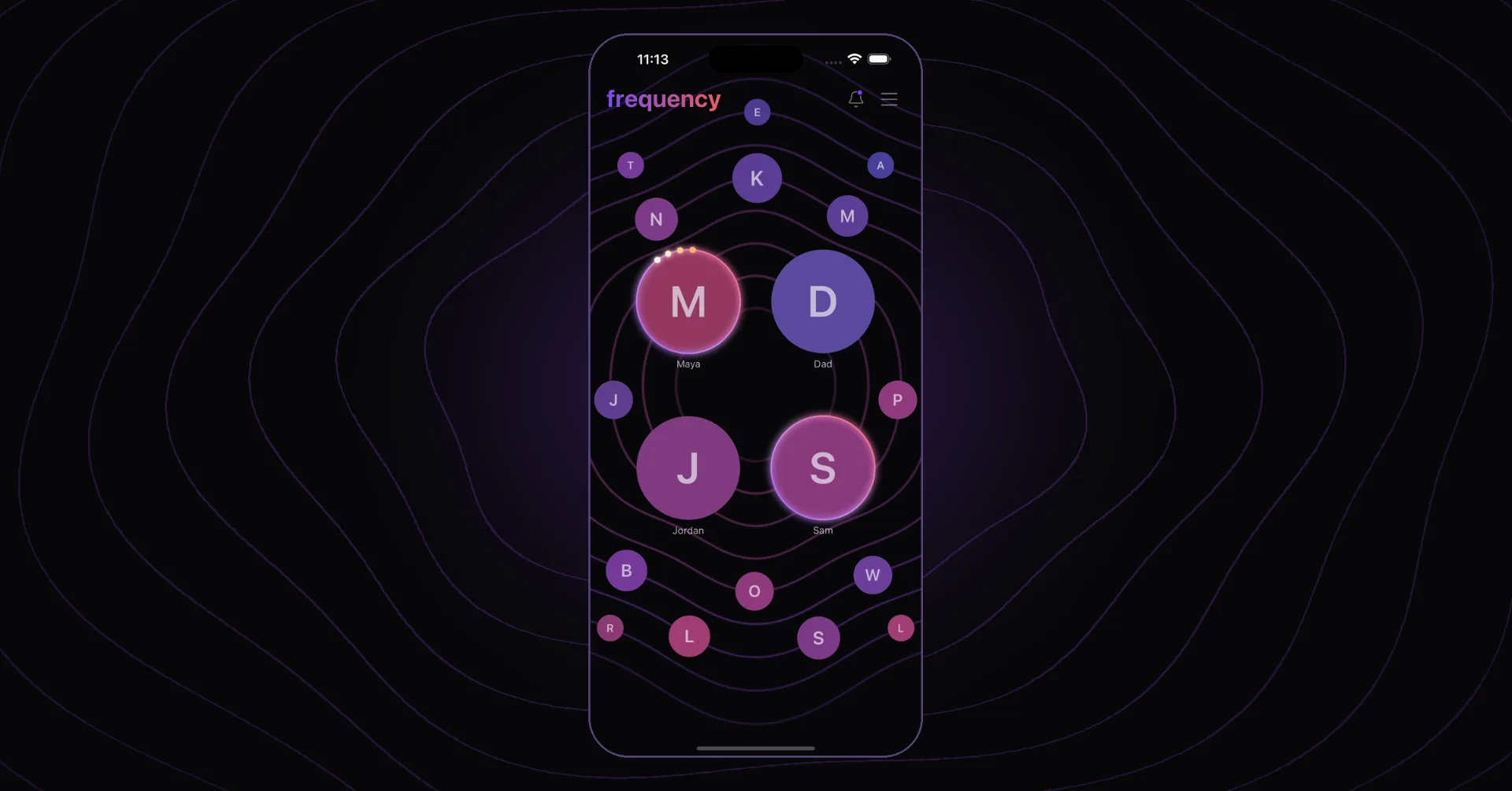
People, Not Feeds - transmissions from the atmosphere
How to move from addictive design to connective design
A practical guide to frontend System Design
Sam, a passionate frontend developer, had been in the job market for what felt like...

Why We Need to Know Cybernetics // Part II — Resilient Product Design
Product Design & Automation Systems

Mark Bernstein: NeoVictorian Computing
This page holds a variety of notes about the craft of software design by Tinderbox designer Mark Bernstein, originally written for a plenary lecture at OOPSLA. We are accustomed to viewing software as a means to an end, a mass-produced industrial tool that ought to be beneath our notice. We are told that software ought to be intuitive, invisible, and free. This is wrong.

Design Sprints
A structured, time-boxed process for rapidly exploring problems, generating ideas, and validating solutions with real users.

The World's Most Satisfying Checkbox | !Boring Software
The Art of Game Feel (a.k.a Juice) in Product Design

Thrilled to be sharing my latest work at #CogSci2026! Many of the spaces we move through, from kitchens to airports, were designed with specific uses in mind. How do people create such environments, and how do users figure out what they were designed for? 📃 osf.io/preprints/psyarxiv/hd6px_v1
