


On June 19th, 2017, one hundred people gathered in San Francisco to create a cultural shift in how we think about the sustainability of…
Culturalizing sustainability
Policy-makers and scientists dominate high-level sustainability debates but any decision that follows has consequences for ordinary people in their local communities and environments. We asked experts to reflect on the importance of embracing a culturally informed, bottom-up approach to the sustainability discourse and action.

Sustainability is not enough: we need regenerative cultures
By Daniel C. Wahl

We Gathered 100 Open Source Sustainers — Here’s What We Learned
SustainOSS was a one day unconference for open source sustainers. There were no keynotes, expo halls or talks — only discussions about how…

Sustain
Sustain brings together practitioners, sustainers, funders, researchers and maintainers of the open source ecosystem. We have conversations about the health and sustainability of the open source community. We learn about the ins and outs of what ‘open source’ entails in the real world. Open source means so much more than a license; we're interested in talking about how to make sure that the culture of open source continues, grows, and ultimately, sustains itself. Newsletter
Introduction - SITUATIONAL AWARENESS: The Decade Ahead
Leopold Aschenbrenner, June 2024 You can see the future first in San Francisco. Over the past year, the talk of the town has shifted from $10 billion compute clusters to $100 billion clusters to trillion-dollar clusters. Every six months another zero is added to the boardroom plans. Behind the scenes, there’s a fierce scramble to

Transformational Pathways to Sustainability Through Polycrisis
Keep up to date with our latest news, events, and other IIASA activities. Sign up.
#SustainOSS 2018 Notes
I went to the second ever SustainOSS conference on October 25th, 2018 in London near St. Pancras International Station.
From Redlining to Greenlining: The Political Ecology of Race, Class, and Access to Green Space in Oakland, California from 1937-2020
Author(s): Corbin, Chryl Natasha Elaine | Advisor(s): Morelli-Frosch, Rachel | Abstract: Since the 1960s, Oakland, California, has been represented as a predominantly African American, low-income, and high crime urbanity. In the 2000s, the municipality started to become recognized as a top green city, and by the 2010s the city began to emerge as a gentrification hot spot. This dissertation elucidates how the relationships between race, class, housing, and access to green spaces have changed from redlining—prior to the Civil Rights Acts of 1964, 1965, and 1968—to 2020, after Oakland adopted an environmental agenda and began to establish itself as a green city starting in the 1990s. I question how Oakland’s urban environmental “sustainable development” agenda has impacted residents’ access to green spaces, and to what extent and how are these policies and practices creating, exacerbating, and/or mitigating urban environmental (in)justice issues. I examine both sides of environmental (in)justice, uneven distribution of environmental harms and the uneven development of environmental goods in which low-income residents and communities of color are disproportionally exposed to environmental hazards while also being prevented from benefiting from environmental amenities. I interrogate Oakland as a 21st century sustainable green city while also examining the historical urban policies and practices embedded in legal residential segregation and the current green gentrification processes which influence and contribute to the environmental (in)justices being (re)produced today.

Redefining our needs: Permacomputing and Vernacular computing
How to ensure an increasing focus on sustainability in computing?

Projects – discover our non-empty spaces
Fostering spaces for growth is an important part of our trajectory. We seek to harness the combined power of practice, critical inquiry and creativity to address some of the issues of our times - health, environmental awareness, social equality and multilingual, trans-cultural collaborations.
Open source sustainability | TechCrunch
Open source sustainability has been nothing short of an oxymoron. Engineers around the world pour their sweat and frankly, their hearts into these passion

Effective Altruism Summit 2013
Bioeconomy
An open access, interactive textbook with videos and Q&As on sustainability and social change in the emerging field of bioeconomy in second edition.
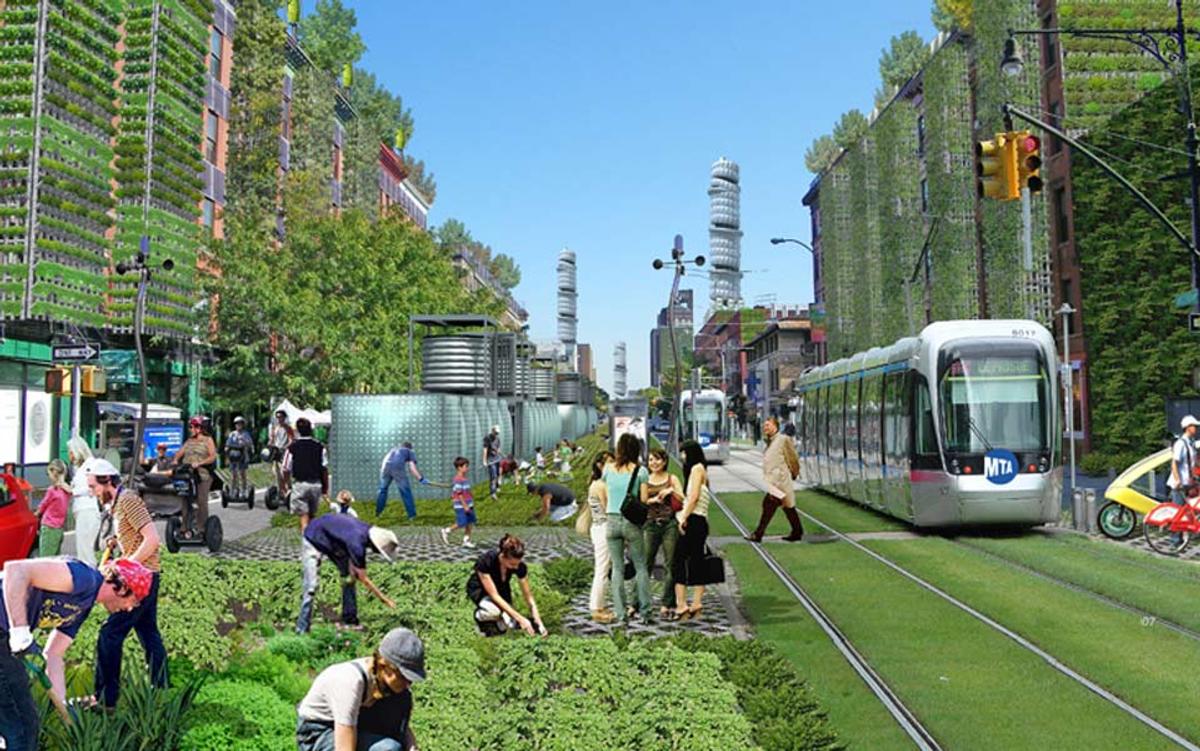
NYC: can this city-state be completely self-reliant? | Aeon Essays
Green living in NYC need not be simple living – think skyscraper farms, meat-production towers and revamped aqueducts
For my Viennese muts and folk on here, I've started to build a collection of resources on initiatives for sustainability in and around Vienna at semble.so/profile/mihaizaurus.at/collec… The collection is open and I'd be happy if you shared any cool insights you have!

Sustainability Initiatives and Resources in Vienna (by Mihai) — Semble
semble.soopen source sustainability


Selective Openness
Cross-License Collaboratives
Nobody pays for open source. We can force them to. | Seldo.com
A Research Lab for Open Source ✸ Software Stewardship Lab
An equitable company - Roomy

Ideas on a Financially Sustainable Atproto | Alex | Offprint
