


Massive electrification and the opportunity of American abundance when we decarbonize.
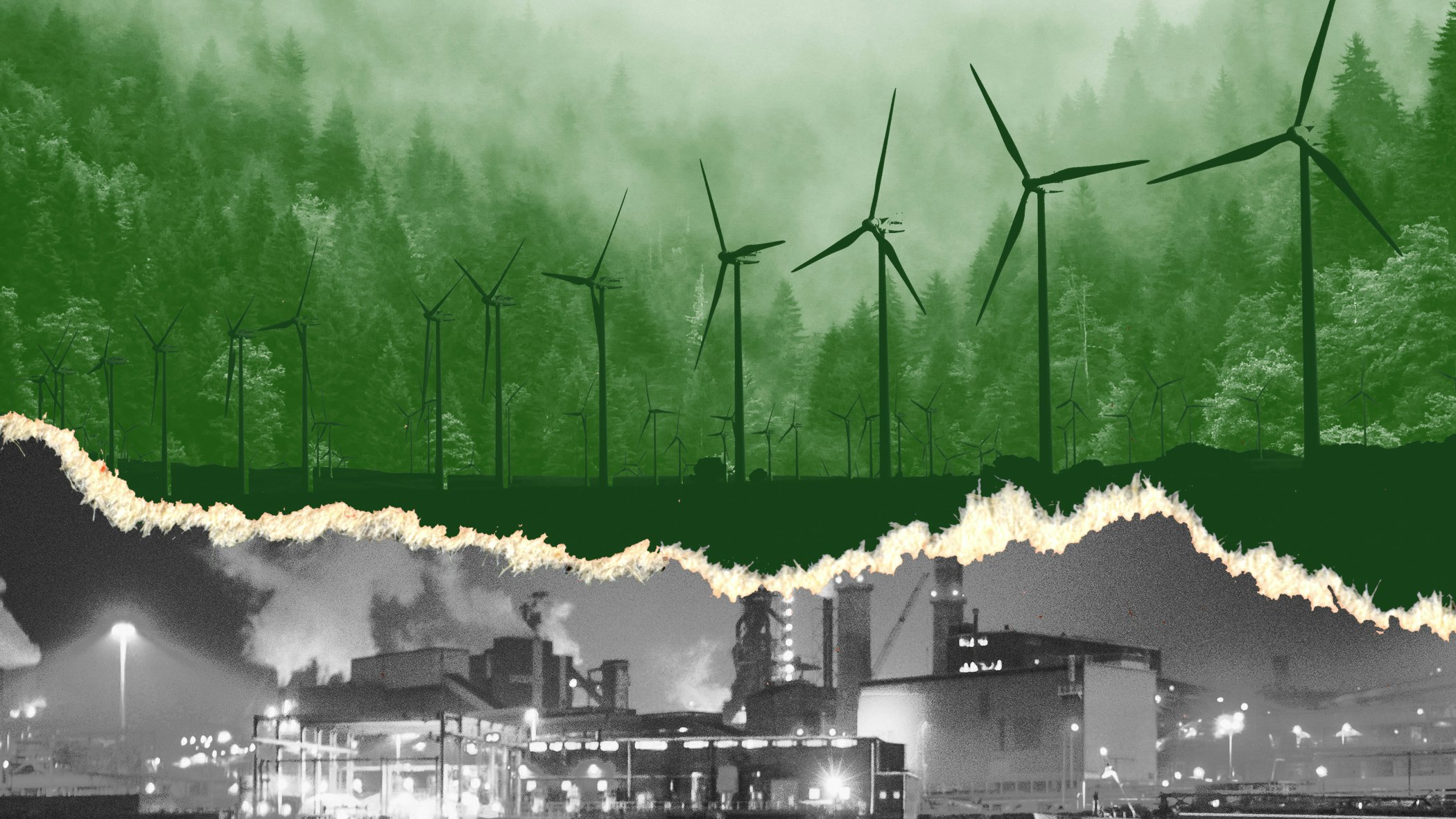
The New Geopolitics Of The Green Transition
The only path forward for tackling the climate crisis hinges on cooperative industrial strategies to coordinate clean energy investment and infrastructure development.
After recent tests, China appears likely to beat the United States back to the Moon
An expert explains why this will be enormously bad for the United States.

A Reality Check on Our ‘Energy Transition’ | The Tyee
To our peril, there’s been no green revolution. Just green addition to rising fossil fuel use.

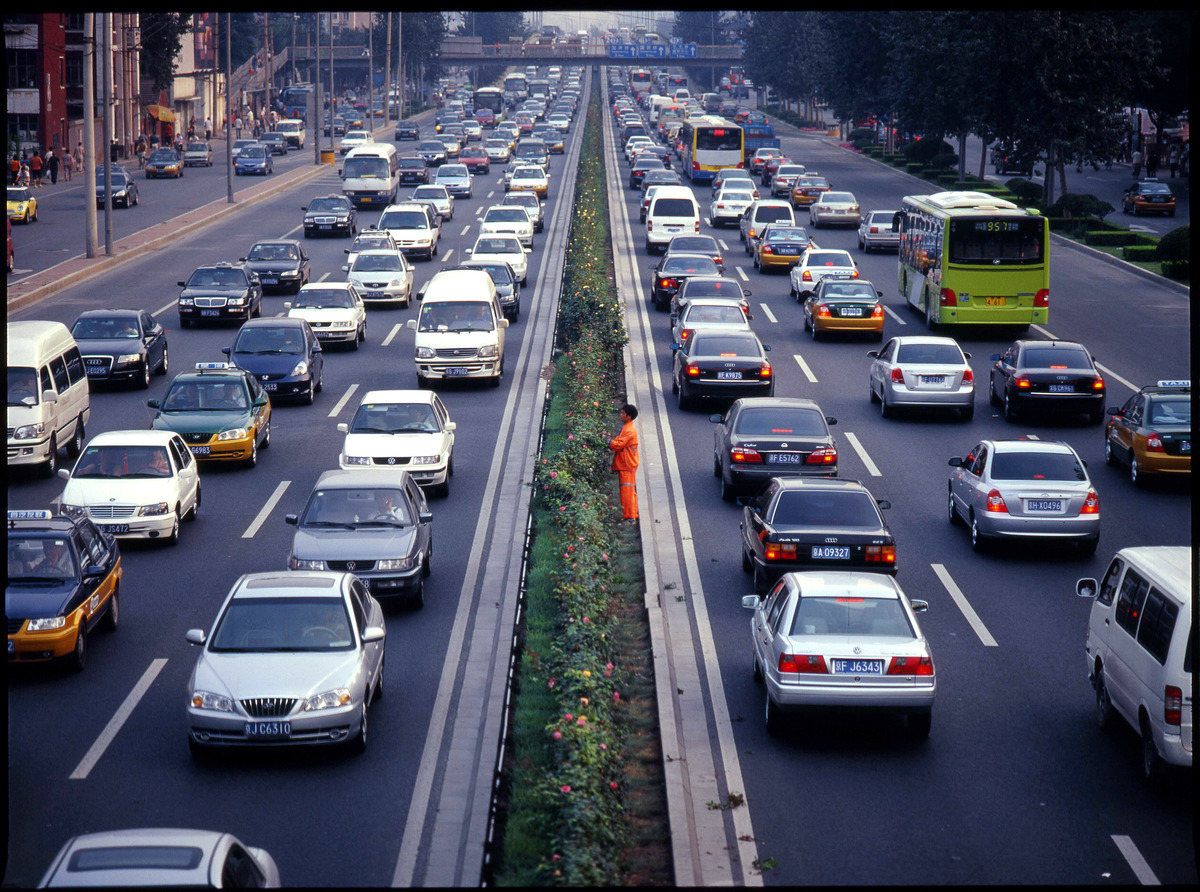
We don’t just need electric cars, we need fewer cars - Greenpeace International
Ever since the first production car rolled off the assembly line more than 100 years ago, our love affair with automobiles has grown and grown.
The Coming Ecological Cold War
How the green transition is reshaping geopolitics

The geopolitical fight to come over green energy
The struggle for sustainable energy will soon put China, the US and Europe on a geopolitical collision course. But moving away from fossil fuels is a Herculean task, and a greener politics will not transcend tragedy.
Glass Half Full: Building a Decarbonized U.S. Power Sector -
The Inflation Reduction Act of 2022 (IRA) was built, sold, and attacked as the largest climate investment in U.S. history. […]
Urban problems: nature-based solutions and a Green New Deal everywhere
Nature-based Solutions with localised Green New Deals could save our settlements, and provide a just transition to a low-carbon society

The Weaponized World Economy
When Washington announced a “framework deal” with China in June, it marked a silent shifting of gears in the global political economy. This was not the beginning of U.S. President Donald Trump’s imagined epoch of “liberation” under unilateral American greatness or a return to the Biden administration’s dream of managed great-power rivalry. Instead, it was the true opening of the age of weaponized interdependence, in which the United States is discovering what it is like to have others do unto it as it has eagerly done unto others.

Cleaning up a coal-fired mess
China’s green-industrial complex makes deep decarbonisation possible, but far from inevitable

Green economic planning for rapid decarbonisation
Sustainable futures require deep social and economic transformations to address climate change adequately. The current landscape of intergovernmental and market-based coordination is not delivering...

Climate solutions most likely to reach ‘positive tipping points’ revealed by scientists
Global shift towards clean electricity could trigger ‘cascade’ of progress, helping reduce air pollution, cut waste and revive oceans
What comes next with the energy shock?
The disruption to oil supply, oil prices and the world economy has been surprisingly manageable so far

The future is made of energy | Orca Notes
A megatrend way bigger than decarbonization is probably the key to abundance and sustainability both.
The ‘wicked trinity’ of late capitalism: Governing in an era of stagnation, surplus humanity, and environmental breakdown
Scholars within the fields of political ecology, environmental political theory, and international political economy tend to evaluate the prospects of state-led environmental transitions in general terms – enquiring as to the capitalist state’s inherent properties and their environmental implications. Less attention has been paid to how the state’s green capacities are conditioned by contemporary evolutions in the form and pace of capital accumulation. Capitalism’s directional pattern of historical development poses unique challenges for green state projects. Its drive to raise labour productivity metabolises nature on a growing scale, while generating conditions of overproduction and rendering a progressively larger portion of the population superfluous to the production process.Thus, the question is not simply whether the state can rise to the challenge of climate change, but rather how states are scrambling to govern the intersecting crises of climate catastrophe, economic stagnation, and surplus humanity. This ‘wicked trinity’ compounds the tensions at the heart of the capitalist state, resulting in an increasing inability to perform its role while sustaining its liberal form. This governance trilemma is illustrated by the case of the solar photovoltaic boom, where the spectacular increase in the productivity and scale of solar panel manufacturing have generated oversupply and falling profitability. States have reacted by indefinitely providing subsidies, financing automation technologies thatexacerbate labour superfluity, and relocating solar panel manufacturing to places with authoritarian labour regimes. The case of photovoltaics is a microcosm of the general predicament faced by states as they struggle to govern capitalism’s secular developmental tendencies.
Keep coming back to the idea that—ideally—the Atmosphere ultimately wants to become something like a public utility. But obviously not an American public utility. But also not a European one, nor one belonging to any conventional state. A new type of thing entirely—a global public utility.
