


In 2015, I took a swing at assessing the shape and state of our global challenges. Looking back, that essay is still well worth a read, but…
Situational Assessment 2018: the Calm Before the Storm
This series began in 2015 with an effort to do a broad assessment of the various risks present in the total global environment. Last year…

The Future History of America and the World to 2050
The introduction to a positive and plausible scenario about how we could solve our many challenges and transform our world for the better

Everything is In-Between — Douglas Rushkoff
I’ve begun this piece maybe twenty times in the past three weeks. By the time I’ve finished the first paragraph, some new thing happens that obsolesces whatever event I’m writing about. And I’m not even writing about the news, so much as using one shared moment as a “peg” for a piece about some larger phenomenon or strategy.
Paul A. Haslam, Jessica Schafer and Pierre Beaudet, eds. Introduction to International Development: Approaches, Actors and Issues, 2nd Edition (Don Mills, Oxford University Press, 2012). 580pp
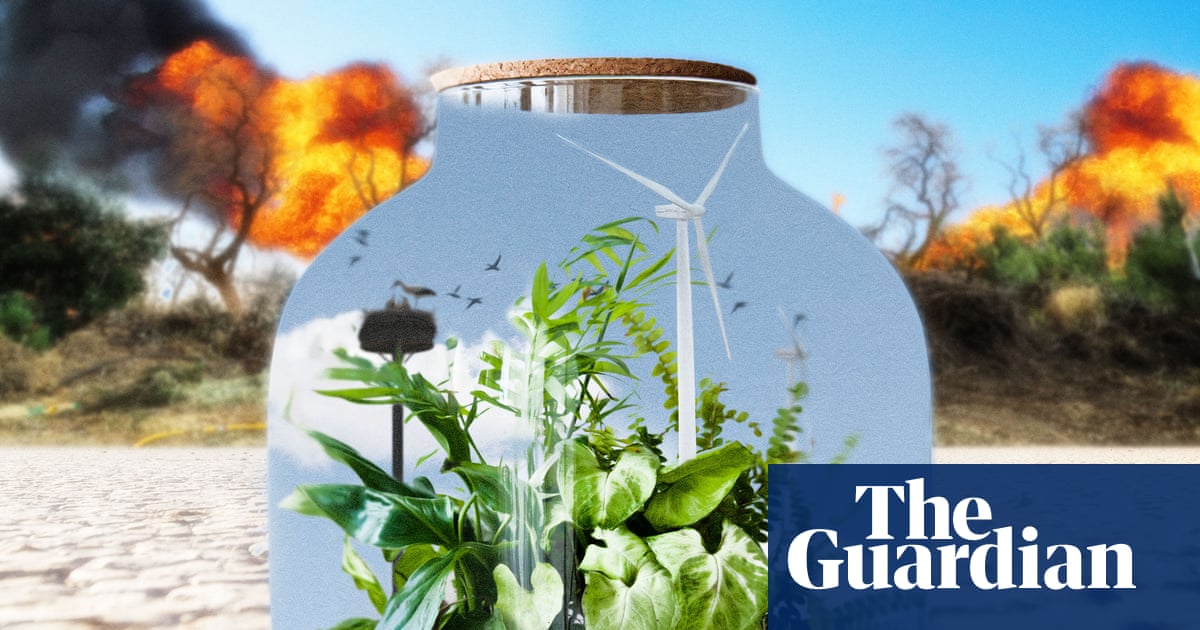
We asked our climate reporters to highlight one idea for positive change. We got a chronicle of global transformation
There are countless initiatives around the world that can inspire people and spur them into action. Amid the devastation of the climate crisis, our journalists strive to highlight these stories of hope
Climate Change: Global Crisis To Local Action By Kevin Anderson
How we rank the world's most pressing problems (and why)
We started with global health, then pandemics. Now we focus on AI risk. How our views changed and what problems we'd recommend you work on today.
Home - FLI Worldbuilding Contest
It is frequently practiced by creative writers and scriptwriters, providing the context and backdrop for stories that take place in future, fantasy or alternative realities. Worldbuilding is a tool that can help us explore possible futures for our own world. It helps us better understand what sorts of worlds we may find more or less desirable, and how we might get to there. World builds don’t always have to be grounded in reality, but for our worldbuilding contest we asked contestants to make their imagined worlds plausible and aspirational. To better understand the constraints and ground rules that were used for this contest, visit the Rules page prior to exploring the worlds.
How did Leopold do? Evaluating Situational Awareness's predictions
In June 2024, Leopold Aschenbrenner published Situational Awareness, a 165-page essay predicting AGI by 2027, trillion-dollar compute clusters, an in…

Two-year review: to plan a strategy you must first have a theory of how the hell things work
Writing at the end of the world, from Hveragerði, Iceland
Political Scenarios for Climate Disaster - Dissent Magazine
In the Global North we often act as if our future will be a warmer version of today: liberal capitalism, plus flood insurance, minus coral reefs. That future is a fantasy.

From global trends to local realities: A multi-scale scenario-building methodology for community infrastructure planning
This paper details a multi-scale scenario-building methodology designed to explore transport infrastructure futures in rapidly changing Circumpolar North communities, bridging global trends and national contexts with local realities. Focusing on Churchill, Canada, and Kirkenes, Norway, we employed a hybrid approach that combined top-down adaptation of existing global and regional socioeconomic scenarios with bottom-up, participatory ethnographic research to ensure local relevance and incorporate stakeholder knowledge. We developed coherent scenarios across global, regional (national), and local scales, allowing higher-level archetypes to manifest differently depending on locally specific features identified through fieldwork. This consecutive, nested process utilized morphological analysis and the Factor-Actor-Sector framework to maintain consistency while accommodating local specificities. The methodology centered not just on scenario creation but also on the function of scenarios as a tool for community dialogue, utilizing artistic visualizations in workshops to engage diverse stakeholders. This approach demonstrates a way to navigate the tension between global and national drivers versus local community needs, yielding distinct yet comparable local futures grounded in broader development pathways. It offers practical insights for deliberations and planning in uncertain environments, both built and unbuilt.
Decoded by POLITICO
The must-read briefing on the people, power moves, policy battles and market shifts defining what’s next in global technology.

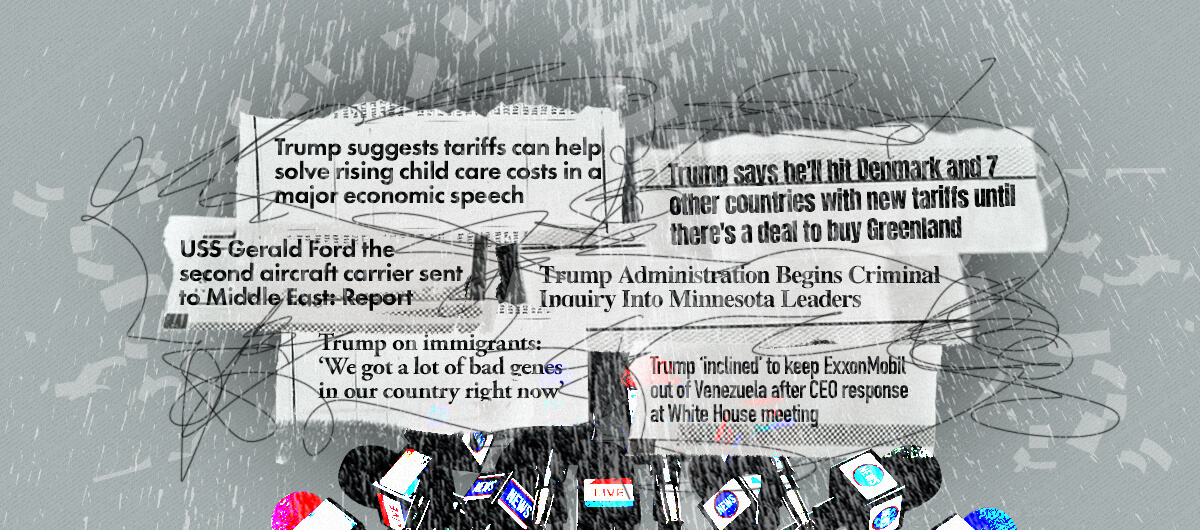
Why ‘Flooding the Zone’ Works for Trump - Dame Magazine
Trump’s allies openly described a strategy to overwhelm the press with simultaneous crises. The structure of modern journalism makes it work
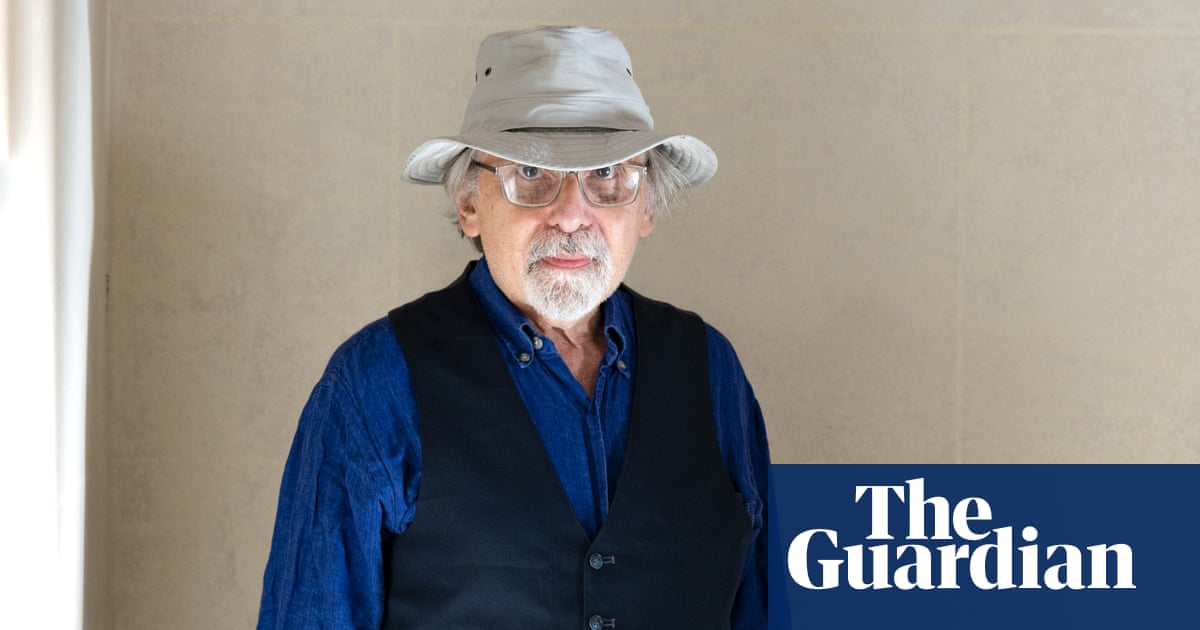
Art Spiegelman: ‘The US needs a counter-revolution’
More than four decades after his Holocaust story Maus transformed the graphic novel genre, Art Spiegelman discusses Trump, the shadow of 9/11 and the rise of fascism in America
John Vervaeke: “The Meaning Crisis: Wisdom, Purpose, and the Search for Coherence” - The Great Simplification
The crises that our world is facing seem to be constantly growing, leading to enormous and devastating systemic effects across the globe.
