


Strategies for making it through the day when you’re bored, miserable, and still have work to do
How to be more productive without forcing yourself
Imagine you could work more and be wildly productive. And you wouldn’t need to force yourself to work.
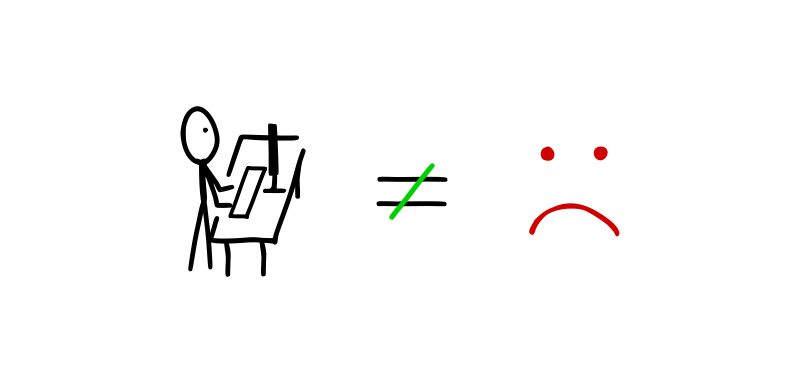
How to Leave Work at Work
Some jobs have very clear lines between when you’re “on” and when you’re “off” while in others the lines are blurred — or potentially nonexistent. That makes not being distracted by work, especially mentally, a major challenge. But you can reduce how distracted you feel by work during times when you’re not working. First, define what “after hours” means for you, considering personal commitments like your commute and family obligations. Next, have mental clarity about what needs to get done and when you will do it. Then, communicate with your colleagues about how (or if) you want to be contacted in your off hours. Finally, do your work at work. If you must bring it home with you, define select hours to work, and don’t let yourself think of work outside of that time period.

Less stress, more productivity: why working fewer hours is better for you and your employer
There’s always too much work to be done on software projects, too many features to implement, too many bugs to fix. Some days you’re just not going through the backlog fast enough, you’re not producing enough code, and it’s taking too long to fix a seemingly-impossible bug. And to make things worse you’re wasting time in pointless meetings instead of getting work done. Once it gets bad enough you can find yourself always scrambling, working overtime just to keep up. Pretty soon it’s just expected, and you need to be available to answer emails at all hours even when there are no emergencies. You’re tired and burnt out and there’s still just as much work as before. The real solution is not working even harder or even longer, but rather the complete opposite: working fewer hours.

How to Get Yourself Out of a Funk
On Tuesday, I woke up feeling a bit tired, uninspired, and just generally not in the mood to tackle my to-do list for the day. I understand myself well enough b
Every productivity thought I've ever had, as concisely as possible - …
I combed through several years of my private notes and through everything I published on productivity before and tried to summarize all of it in this post. If you’re unproductive right now Here’s what you should do if you’ve been procrastinating for an entire day: Accept that you won’t do anything today and try not to get angry at yourself Set the alarm for the time you will be preparing to go to bed today No, really. Do it. It will take 20 seconds Procrastinate for the …
Every productivity thought I've ever had, as concisely as possible - …
I combed through several years of my private notes and through everything I published on productivity before and tried to summarize all of it in this post. If you’re unproductive right now Here’s what you should do if you’ve been procrastinating for an entire day: Accept that you won’t do anything today and try not to get angry at yourself Set the alarm for the time you will be preparing to go to bed today No, really. Do it. It will take 20 seconds Procrastinate for the …
Always be quitting - Julio Merino (jmmv.dev)
A good philosophy to live by at work is to “always be quitting”. No, don’t be constantly thinking of leaving your job 😱. But act as if you might leave on short notice 😎. …

What Happens When Your Career Becomes Your Whole Identity
Many people with high-pressure jobs find themselves unhappy with their careers, despite working hard their whole lives to get to their current position. Hating your job is one thing – but what happens if you identify so closely with your work that hating your job means hating yourself?Psychologists use the term “enmeshment” to describe a situation where the boundaries between people become blurred, and individual identities lose importance. Enmeshment prevents the development of a stable, independent sense of self. While identifying closely with your career isn’t necessarily bad, it makes you vulnerable to a painful identity crisis if you burn out, get laid off, or retire. Individuals in these situations frequently suffer anxiety, depression, and despair. By claiming back some time for yourself and diversifying your activities and relationships, you can build a more balanced and robust identity in line with your values.

Doing nothing at work
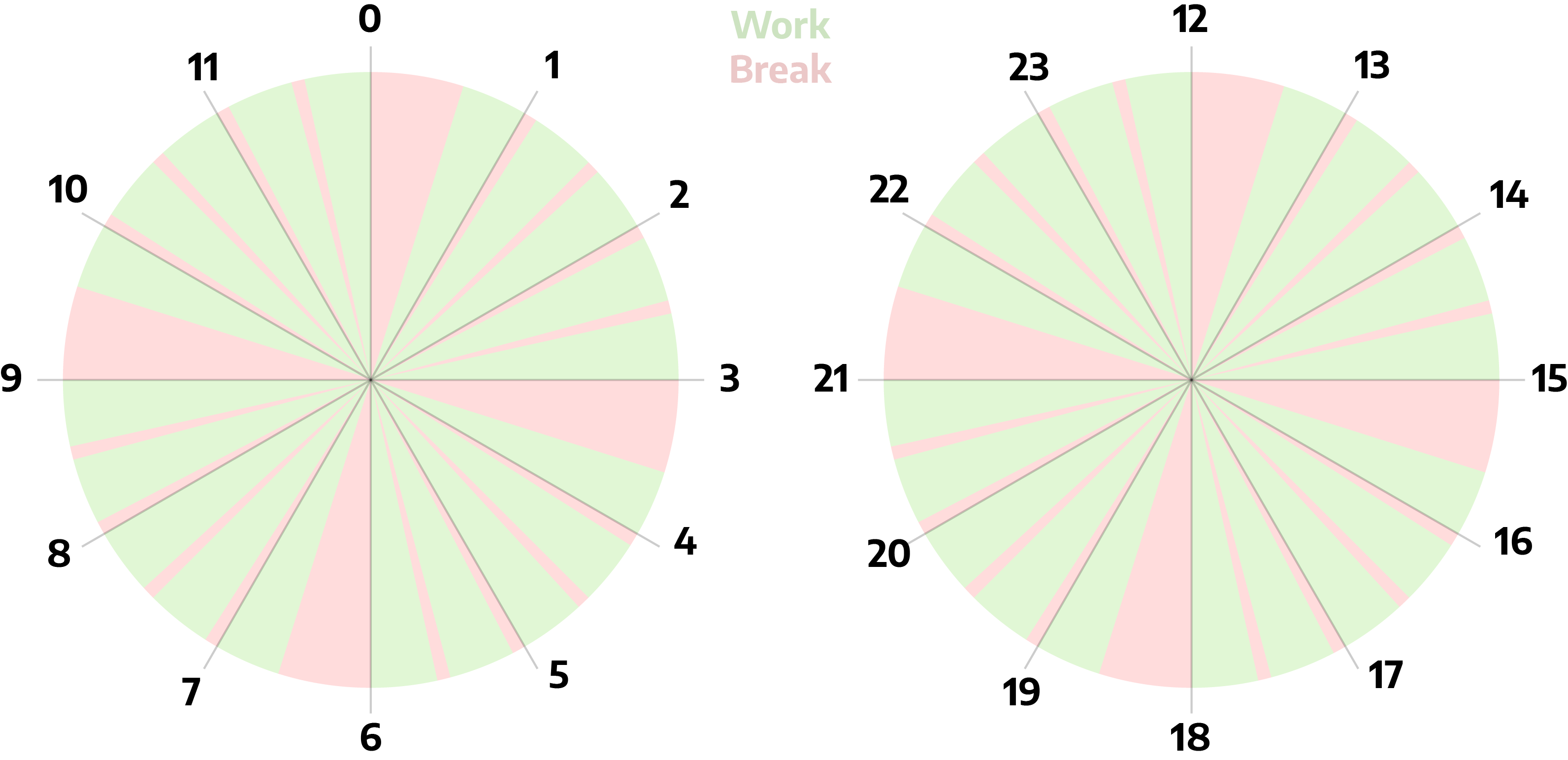
Many engineers should be doing less work. I don’t necessarily mean producing less code or fewer changes, but literally working fewer hours in the day. When they do work, they should be working at a slower pace. I like to aim to be running at 80% utilization by default: unless I have a high-pressure project going on, I spend 20% of my workday away from the computer.

I'm addicted to being useful
When I get together with my friends in the industry, I feel a little guilty about how much I love my job. This is a tough time to be a software engineer. The job was less stressful in the late 2010s than it is now, and I sympathize with anyone who is upset about the change. There are a lot of objective reasons to feel bad about work. But despite all that, I’m still having a blast. I enjoy pulling together projects, figuring out difficult bugs, and writing code in general. I like spending time with computers. But what I really love is being useful.
Bored People Quit
Much has been written about employee motivation and retention. It's written by folks who actively use words like motivation and retention and generally don't ha
Feeling unproductive? Maybe you should stop overthinking.
In order to get something done, maybe we need to think less.

If you don’t finish then you’re just busy, not productive – Jack Simpson
One of the biggest realisations I’ve come to as part of my PhD, is how little people care about how I spend my time, they only care about what I am able to deliver. Yet in order to deliver, you need to finish. I was recently reading an article on this topic, and I think the advice can be best summed up as:
